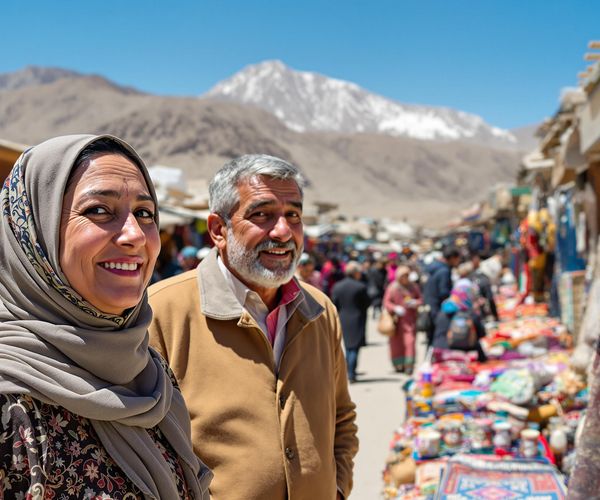
There's a certain magic to be found in local markets, a vibrant energy that pulses with the rhythm of daily life. More than just places to buy and sell, they are windows into the soul of a community, offering travelers a chance to connect with the heart and history of a place. Join me as I share my experiences and tips for navigating these cultural hubs, from the bustling bazaars of my homeland to the multicultural markets here in Toronto.
The Allure of Local Markets: More Than Just Shopping
Stepping into a local market is an assault on the senses – in the best way possible. The air is thick with the aroma of exotic spices, freshly baked bread, and fragrant flowers. The sounds of lively chatter, bargaining, and music fill the air, creating a symphony of human interaction. The sights are equally captivating: colorful displays of produce, handcrafted goods, and traditional clothing.
Unlike tourist-oriented shops that often cater to a generic idea of what visitors want, local markets reflect the true essence of a place. They showcase the local culture, traditions, and daily life in a way that no museum or guidebook ever could. You see what people eat, what they wear, what they value. It's a living, breathing snapshot of a community.
I remember my first visit to the Kensington Market in Toronto. It was a sensory overload, but in the most wonderful way. The mix of cultures, the vibrant street art, the eclectic shops – it felt like a microcosm of the world. It reminded me of the bustling markets of Kabul, where I spent countless hours as a child, soaking in the sights, sounds, and smells of my Afghan heritage. Even though I was thousands of miles away from home, I felt a sense of connection to my roots, a sense of belonging.
Navigating the Labyrinth: Practical Tips for Market Exploration
Exploring a local market can be an adventure, but it can also be overwhelming if you're not prepared. Here are a few practical tips to help you navigate the labyrinth and make the most of your experience:
- Do your research: Find out which days the market is open and what the opening hours are. Some markets are only open on certain days of the week, while others have specific hours for different types of vendors.
- Arrive early: The early bird gets the worm, as they say. Arriving early allows you to avoid the crowds and secure the best finds. Plus, you'll have more time to chat with the vendors and learn about their products.
- Bargain respectfully: Bargaining is a common practice in many markets around the world, but it's important to do it respectfully and ethically. Start with a reasonable offer and be prepared to negotiate. Remember that the vendors are trying to make a living, so don't try to lowball them too much.
- Learn a few key phrases: Knowing a few basic phrases in the local language can go a long way in breaking down language barriers. Even a simple hello, thank you, or how much does this cost? can make a big difference in your interactions with vendors.
- Be aware of your surroundings: Pickpocketing and scams can be common in crowded markets, so it's important to be aware of your surroundings and take precautions. Keep your valuables close to you, and be wary of anyone who approaches you offering unsolicited help.
A Feast for the Senses: What to Look For
Local markets are a treasure trove of unique finds, from local foods and delicacies to handcrafted goods and artisanal products. Here are a few things to look for during your market explorations:
- Local foods and delicacies: Don't miss the opportunity to try the local cuisine. Sample street food, try regional specialties, and discover new flavors. Ask the vendors for recommendations and don't be afraid to try something new.
- Unique handicrafts and artisanal products: Look for handcrafted goods that reflect the local culture and traditions. These items make unique souvenirs and support local artisans.
- Seasonal produce and local specialties: Markets are a great place to find seasonal produce and local specialties that you won't find anywhere else. Ask the vendors what's in season and what they recommend.
I once found a beautiful hand-woven carpet at a market in Uzbekistan. The intricate design and vibrant colors were unlike anything I had ever seen. The vendor told me that the carpet had been made by his grandmother, using traditional techniques passed down through generations. It was more than just a carpet; it was a piece of history, a work of art.
Beyond the Transaction: Cultural Etiquette and Respect
When visiting a local market, it's important to remember that you are a guest in someone else's community. Respect local customs and traditions, and be mindful of your behavior.
- Dress appropriately: In some cultures, it's important to dress modestly when visiting a market. Avoid wearing revealing clothing, and be respectful of local customs.
- Ask for permission before taking photos: Always ask for permission before taking photos of people or products. Some people may not want to be photographed, and it's important to respect their wishes.
- Engage with vendors respectfully: Treat the vendors with respect and courtesy. Be patient, listen to their stories, and show genuine interest in their products. A simple smile and a kind word can go a long way.
I once made the mistake of taking a photo of a vendor without asking for permission at a market in Morocco. He was understandably upset, and I felt terrible. I apologized profusely and explained that I didn't mean to offend him. He eventually forgave me, and we ended up having a lovely conversation about his craft. It was a valuable lesson in cultural sensitivity.
Markets as Windows to the Soul: Examples from Around the World (and Toronto)
Markets offer a unique glimpse into the soul of a place. From the bustling bazaars of the Middle East to the vibrant markets of Latin America, each market has its own unique character and charm.
While returning to Afghanistan to visit markets isn't currently feasible for me, I hold dear the memories of the vibrant markets of my youth. They were the heart of our community, a place where people came together to socialize, trade, and celebrate life.
Here in Toronto, we are blessed with a vibrant multicultural community, and that diversity is reflected in our local markets. Kensington Market, as I mentioned before, is a melting pot of cultures, offering everything from vintage clothing to international cuisine. St. Lawrence Market is another must-visit, with its historic buildings and wide array of food vendors. These markets not only provide economic opportunities for local vendors and artisans, but they also serve as important community gathering places.
Visiting local markets has broadened my understanding of different cultures and communities in countless ways. It's taught me to appreciate the beauty of diversity, the importance of cultural preservation, and the power of human connection. I encourage you to explore the local markets in your own community and beyond. You never know what treasures you might find.
Explore local markets for authentic cultural experiences. Discover tips for navigating markets, interacting with vendors, and understanding cultural significance.