Traveling the world is an incredible adventure, a chance to witness breathtaking landscapes and immerse ourselves in diverse cultures. But as I, Gul Ahmadi, have learned throughout my journeys, both near and far from my adopted home of Toronto, it's equally important to nurture the connection to our roots. For me, that means cherishing my Afghan heritage, no matter where I am in the world.
The Significance of Cultural Connection
Maintaining a strong connection to your cultural heritage while traveling is like carrying a piece of home with you. It provides a sense of belonging and identity, especially when you're far away from familiar surroundings. My own experiences as an Afghan woman who has made Canada her home have taught me that staying connected to my roots enriches my travels in profound ways. When I understand and respect my own culture, I am better equipped to appreciate the beauty and nuances of other cultures. It opens doors to meaningful interactions and deeper understanding.
I remember once, while visiting a small village in Italy, I shared stories of my childhood in Bamyan with an elderly woman. Despite the language barrier, we connected through our shared love of family and tradition. It was a reminder that no matter where we come from, we all share a common humanity. These connections are what make travel so rewarding.
Preserving Traditions Through Food
Food is a powerful symbol of cultural identity. The aromas, flavors, and textures of traditional dishes evoke memories and emotions that connect us to our past. When I travel, I always make an effort to seek out Afghan cuisine or, if that's not possible, to cook traditional dishes myself. There's something incredibly comforting about preparing a familiar meal in a foreign kitchen. It's a way of keeping my culture alive, even when I'm thousands of miles away from home.
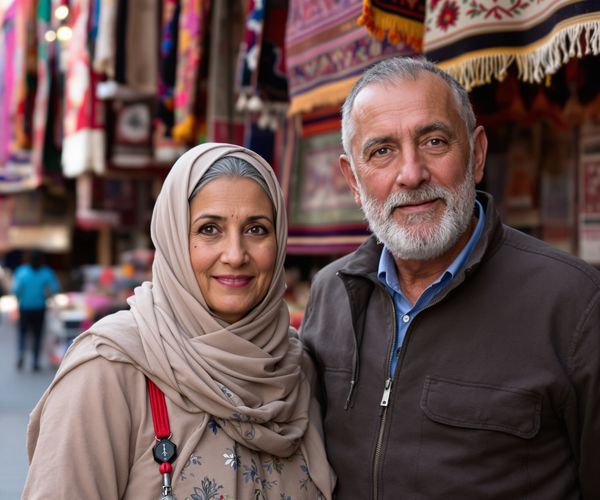
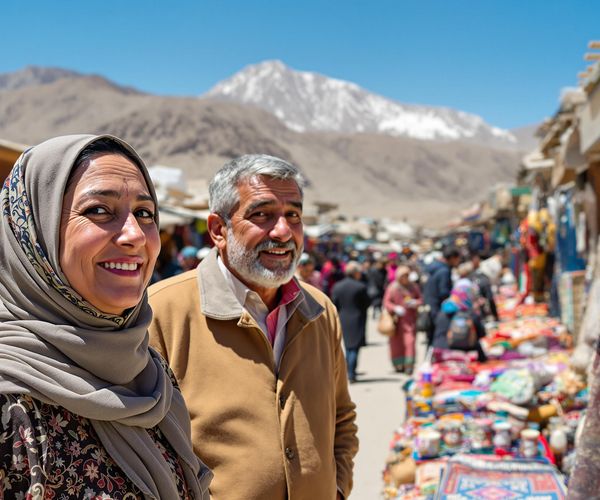
One of my most memorable food experiences was in Marrakech, Morocco. While wandering through the bustling souks, I stumbled upon a small spice shop run by a man who had once lived in Kabul. We spent hours talking about our shared love of Afghan food, and he even shared some secret family recipes with me. I later used those recipes to cook a traditional Afghan feast for my fellow travelers. It was a reminder that food has the power to bring people together, regardless of their backgrounds.
When traveling, visit local markets and farms to truly understand the food culture. It's also important to discuss food sovereignty, which is the right of peoples to healthy and culturally appropriate food produced through ecologically sound and sustainable methods, and their right to define their own food and agriculture systems.
Language as a Cultural Anchor
Language is more than just a means of communication; it's a vessel that carries our history, values, and traditions. Speaking Dari or Pashto, my native languages, has allowed me to connect with people and places on a deeper level during my travels. It's opened doors to conversations and experiences that would not have been possible otherwise. I make an effort to learn a few basic phrases in the local language wherever I go. It shows respect for the local culture and makes it easier to connect with people.
During a trip to Delhi, India, I was able to communicate with a local shopkeeper in Dari. It turned out that his grandfather had been a trader who frequently traveled to Afghanistan. We spent hours talking about our shared history and culture. It was a reminder that language can bridge divides and create lasting connections.
Learning a language is not just about memorizing words and grammar; it's about understanding the nuances of a culture. Language shapes the way we think, feel, and perceive the world around us.
Celebrating Cultural Festivals and Events
Cultural festivals and events are vibrant expressions of heritage. They offer a glimpse into the traditions, customs, and beliefs of a community. Attending Afghan cultural festivals or events in different parts of the world has been a way for me to stay connected to my roots and celebrate my identity. I remember attending a Nowruz (Afghan New Year) celebration in London. It was a joyous occasion filled with music, dancing, and traditional food. I felt a sense of belonging and connection to my community, even though I was far away from home.
When traveling, look for opportunities to participate in local cultural celebrations. Be sure to respect local customs and traditions. It's a way to show your appreciation for the culture and connect with people on a deeper level. Celebrating festivals helps us stay connected to our roots, even when we are far from home.
Connecting with Community and Kin
Community and family are the cornerstones of cultural heritage. They provide a sense of belonging, support, and continuity. Connecting with Afghan diaspora communities or visiting relatives during my travels has been a way for me to strengthen my ties to my culture. I remember visiting my cousin in Hamburg, Germany. She had created a vibrant Afghan community in her neighborhood. We spent hours sharing stories, recipes, and memories of our homeland. It was a reminder that even though we were scattered across the globe, we were still connected by our shared heritage.
Building relationships with people from similar cultural backgrounds while traveling can be a source of comfort and support. Share stories, recipes, and customs with future generations to ensure that your culture lives on.
Integrating Cultural Elements into Travel Itineraries
Incorporating cultural elements into your travel itineraries can enhance your experience and deepen your understanding of a place. Visit historical sites, museums, and cultural centers that showcase Afghan history and art. Seek out experiences that promote cultural exchange and understanding. When visiting a new place, I always make an effort to learn about its history, art, and traditions. It gives me a deeper appreciation for the culture and its people.
On a trip to Florence, Italy, I visited the Uffizi Gallery and learned about the Renaissance masters. I was struck by the beauty and artistry of the works on display. It was a reminder that art has the power to transcend cultures and connect us to our shared human heritage.
Tourism architecture plays a role in reinforcing cultural identity. Cultural sensitivity in tourism is vital. By being mindful of local customs and traditions, we can ensure that our travels have a positive impact on the communities we visit.
Explore ways to maintain a connection to your cultural heritage while traveling, ensuring that your roots remain a part of your journey. Gul Ahmadi shares personal stories and tips.