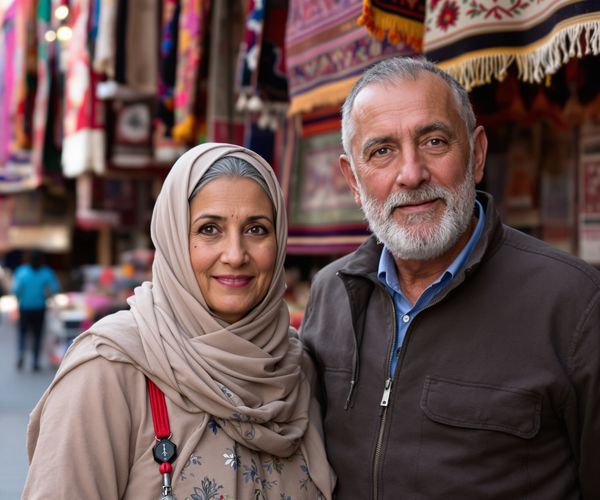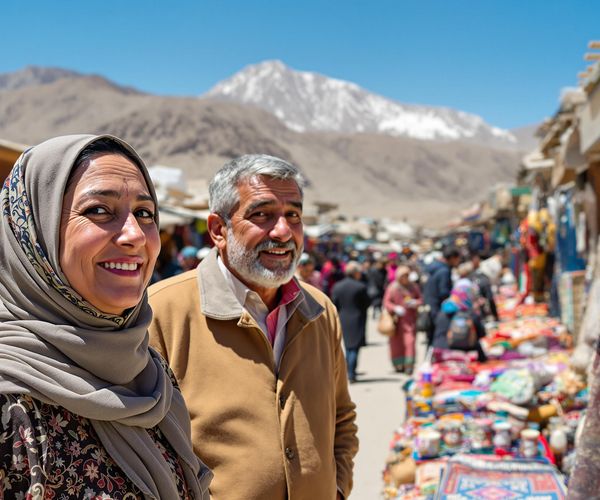
From the bustling souks of Marrakech to the serene temples of Kyoto, my travels have always been deeply intertwined with the melodies of the world. Music, I've discovered, is more than just a pleasant background; it's a powerful lens through which we can understand and appreciate the diverse tapestry of human culture. Join me as I share my experiences and insights on how to make music an integral part of your travel adventures.
The Universal Language of Music
Music truly is a universal language. It transcends the barriers of spoken words, connecting people on a profound emotional level. I've often found myself in situations where I couldn't understand a single word being spoken, yet I felt a deep connection with the musicians and the audience through the shared experience of music. Whether it's the rhythmic drumming of a West African ensemble or the soulful strains of a flamenco guitar, music speaks directly to the heart.
Beyond the emotional connection, music offers invaluable insights into a culture's history, values, and social structures. A traditional folk song can tell you about a community's struggles and triumphs, while a classical composition can reveal the sophistication and artistic sensibilities of a society. By listening attentively to the music of a place, you can gain a deeper understanding of its people and their way of life.
I recall a trip to a small village in the Andes Mountains. The villagers welcomed us with a performance of traditional songs played on panpipes and charangos. The music was hauntingly beautiful, and as I listened, I learned about their connection to the land, their reverence for nature, and their resilience in the face of adversity. It was a powerful reminder of the ability of music to bridge cultural divides and foster empathy.
Listening Like a Local: Immersing Yourself in Sound
One of the best ways to experience the music of a culture is to immerse yourself in the local music scene. Seek out live music venues, from small clubs to grand concert halls. Attend local festivals and celebrations where music plays a central role. Don't overlook the street performers who often bring music to the heart of a city. These encounters offer a glimpse into the authentic sounds of a place.
Attending local concerts and performances is an immersive experience that goes beyond simply hearing the music. You'll be surrounded by locals who are passionate about the music, and you'll get a sense of the energy and excitement that it generates within the community. Remember to be respectful and mindful when engaging with local music traditions. Listen attentively, avoid talking during performances, and show your appreciation for the musicians' talent.
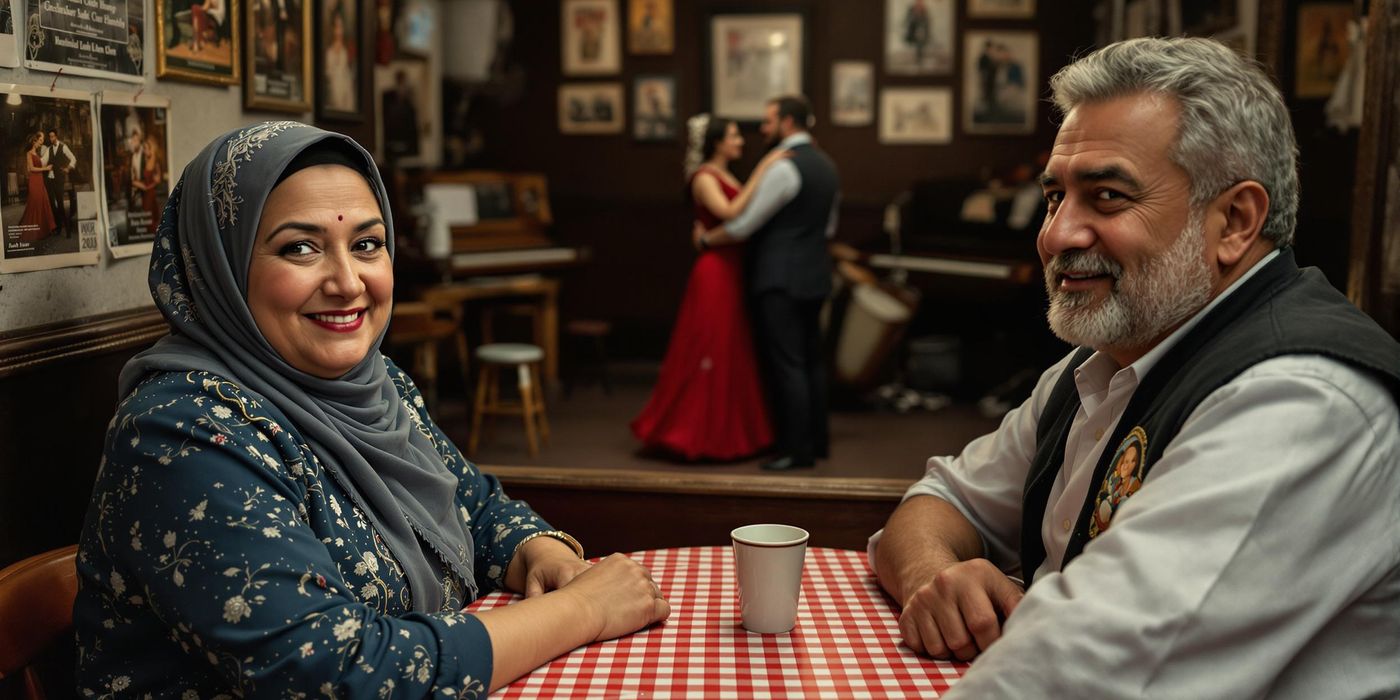
In Buenos Aires, I stumbled upon a tango club in the San Telmo neighborhood. The atmosphere was electric, with dancers gliding across the floor in perfect synchronicity. I didn't know the steps, but I was captivated by the passion and artistry of the performance. It was an unforgettable experience that gave me a deeper appreciation for the cultural significance of tango in Argentina.
From Rubab to Tabla: A Journey Through Afghan Sounds
As an Afghan woman living in Canada, music has always been a vital link to my heritage. The sounds of the rubab, tabla, and harmonium evoke powerful memories of my homeland. The rubab, with its distinctive lute-like sound, is considered the national instrument of Afghanistan. The tabla, a pair of hand drums, provides the rhythmic backbone of much Afghan music. And the harmonium, a keyboard instrument with a bellows, adds a rich texture to the ensemble.
Afghan music is incredibly diverse, reflecting the country's rich cultural heritage. Klasik, a form of classical music, is characterized by its intricate melodies and improvisational passages. Folk music from Herat, a city in western Afghanistan, is known for its lively rhythms and upbeat melodies. Sufi music, with its devotional lyrics and hypnotic rhythms, is a deeply spiritual tradition.
Persian poetry has had a profound influence on Afghan musical traditions. Many Afghan songs are based on the works of classical Persian poets like Rumi and Hafez. Indian classical music has also played a significant role in shaping Afghan music, with many Afghan musicians studying with Indian masters.
When I first settled in Canada, I felt a deep sense of displacement. But listening to Afghan music helped me reconnect with my roots and maintain a sense of identity. I would often play traditional Afghan songs for my children, sharing stories about our homeland and its rich cultural heritage. Music became a way for us to bridge the gap between our past and our present, between Afghanistan and Canada.
Creating Your Musical Itinerary
Incorporating music into your travel plans is easier than you might think. Start by researching the musical traditions of the places you plan to visit. Look for music museums, concert halls, and cultural centers that offer performances and exhibitions. Check to see if there are any music festivals or events taking place during your trip. Consider taking a music-themed tour that will introduce you to the local music scene.
There are countless music-related destinations around the world to explore. For classical music lovers, Vienna, Austria, is a must-visit. For jazz enthusiasts, New Orleans, USA, is a pilgrimage site. For fans of traditional Irish music, Dublin, Ireland, is the place to be. Don't overlook the lesser-known musical gems, such as the Cape Verde islands, home to the soulful sounds of morna, or the Balkan region, with its vibrant folk music traditions.
Music tourism is a growing trend, with travelers increasingly seeking out authentic musical experiences. This trend has a significant economic impact on local communities, supporting musicians, venue owners, and other businesses. By engaging with the local music scene, you're not only enriching your own travel experience but also contributing to the sustainability of cultural traditions.
Looking ahead to 2025, several major music festivals around the world are sure to draw crowds. Bonnaroo in the United States offers a diverse lineup of rock, pop, and electronic music. Rock in Rio, held in both Brazil and Portugal, is one of the largest music festivals in the world. Glastonbury in the United Kingdom is known for its eclectic mix of music, art, and theater. And Summerfest in Milwaukee, USA, claims to be the world's largest music festival.
The Soundtrack of Memories: Collecting Musical Souvenirs
As you travel, consider collecting local music recordings or instruments as souvenirs. These tangible reminders will help you relive your travel experiences long after you've returned home. When purchasing music, be sure to do so ethically, supporting local artists and businesses. Avoid pirated recordings and look for independent record stores or online platforms that promote fair trade practices.
Creating a travel playlist inspired by your cultural experiences is a wonderful way to keep the memories alive. Include songs that you heard during your trip, as well as music that reminds you of the places you visited. You can even learn a simple song or melody in the local language as a way to remember your trip. These musical souvenirs will become a cherished part of your personal collection.
On a trip to Mali, I purchased a traditional kora, a long-necked harp lute. While I'm not a skilled kora player, simply holding the instrument and strumming its strings transports me back to the vibrant streets of Bamako. It's a reminder of the warmth and hospitality of the Malian people, and the power of music to connect us across cultures.
Explore how music acts as a gateway to understanding diverse cultures during travels. Discover how to incorporate music into your travel plans for a richer experience.