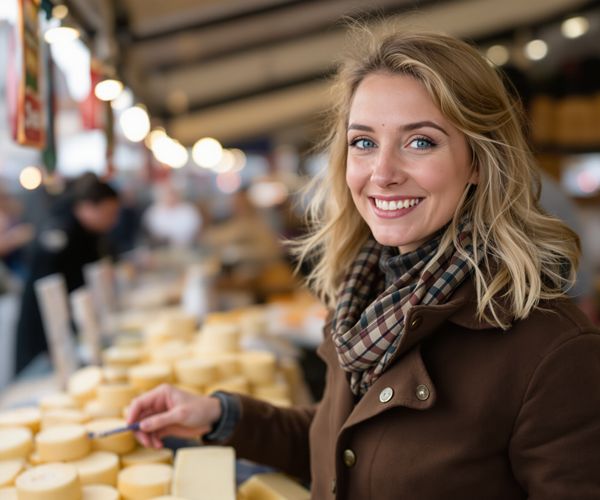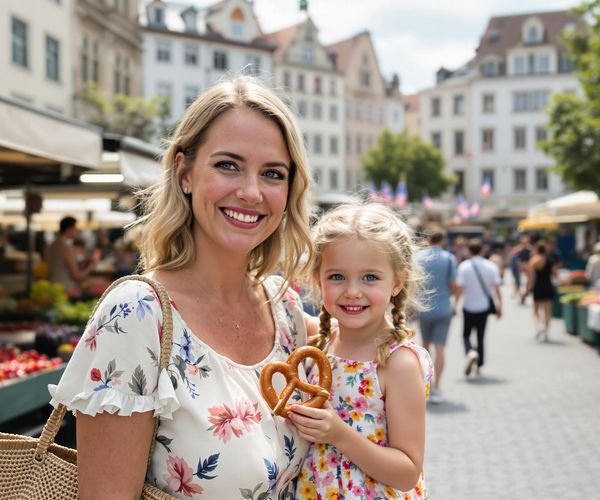

There's something magical about wandering through a local market, isn't there? The vibrant colors, the cacophony of sounds, the enticing aromas – it’s a sensory explosion that truly immerses you in the heart of a culture. For me, exploring local markets is more than just shopping; it's a way to connect with people, discover hidden gems, and support local communities. From the bustling Viktualienmarkt in my adopted hometown of Munich to the vibrant markets I've stumbled upon during my travels, each experience has left an indelible mark.
The Allure of Local Markets: More Than Just Shopping
Local markets are so much more than just places to buy things. They're living, breathing reflections of a community's soul. They showcase traditions, values, and lifestyles in a way that museums and historical sites simply can't. Think about it: the carefully arranged produce, the handcrafted goods, the lively banter between vendors and customers – it all paints a vivid picture of daily life.
I remember the first time I visited a market in Marrakech. The sheer sensory overload was overwhelming! The vibrant colors of the spices, the rhythmic drumming of the Gnawa musicians, the sweet smell of mint tea – it was a complete immersion into Moroccan culture. It’s in these moments, connecting with local artisans and vendors, that you truly understand a place.
Finding Authentic Markets: Tips for Discovery
Finding those authentic, non-touristy markets can feel like uncovering a hidden treasure. My best advice? Do your research! Start online, but don't stop there. Consult locals – ask your hotel staff, the barista at your favorite coffee shop, or even a friendly face you meet on the street. They often hold the key to the best-kept secrets.
Don't be afraid to venture beyond the well-trodden tourist paths. Some of my most memorable market experiences have been in quieter neighborhoods, away from the crowds. For example, in Munich, while the Viktualienmarkt is famous (and rightly so!), the Elisabethmarkt in Schwabing offers a more local and relaxed atmosphere. I discovered it simply by wandering through the neighborhood one Saturday morning.
What to Look For: Identifying Quality and Authenticity
Once you've found a market, how do you know what's worth buying? Look for locally made products. Seek out unique imperfections and attention to detail in handmade crafts – these are often signs of genuine artistry. And most importantly, talk to the vendors! Ask them about the origin of their goods, the materials they use, and the process of creation.
I once found a beautiful hand-woven scarf at a market in Peru. The vendor was a Quechua woman who had been weaving for generations. She told me about the natural dyes she used and the traditional patterns she incorporated into her work. Buying that scarf wasn't just a transaction; it was a connection to her heritage and a way to support her livelihood.
Respectful Bargaining: A Cultural Dialogue
Bargaining is a common practice in many markets around the world, but it's important to do it respectfully and ethically. Remember, it's not about getting the lowest possible price; it's about engaging in a cultural dialogue. Before you start negotiating, take the time to understand local customs and etiquette. Observe how others are bargaining and be mindful of cultural norms.
Start with a reasonable offer, be polite and friendly, and know when to walk away. Sometimes, the best approach is to simply smile, express your appreciation for the vendor's work, and pay the asking price. I’ve found that a little bit of kindness and respect can go a long way.
Beyond the Souvenirs: Supporting Local Economies
Shopping at local markets has a significant economic impact. It supports small-scale producers, artisans, and farmers, helping them to sustain their livelihoods and preserve their traditions. It also keeps tourism revenue within the community, rather than lining the pockets of large corporations.
I remember buying a painting from a young artist in Buenos Aires. He told me that the sale of his art was his only source of income and that it allowed him to continue pursuing his passion. Knowing that my purchase made a tangible difference in his life made the artwork even more meaningful.
Sustainable Market Exploration: Reducing Your Footprint
As travelers, we have a responsibility to minimize our environmental impact. When exploring markets, bring your own reusable bags to avoid single-use plastics. Choose eco-friendly products and support vendors who prioritize sustainable practices. Look for items made from recycled materials or produced using traditional, low-impact methods.
I always try to bring my own water bottle and reusable coffee cup when I visit markets. I also make an effort to buy unpackaged produce and avoid items wrapped in plastic. Small changes can make a big difference!
Munich Markets: A Personal Touch
Living in Munich, I'm fortunate to have access to some fantastic local markets. The Viktualienmarkt is a must-visit, with its wide array of food stalls and traditional Bavarian treats. I love browsing the cheese stands, sampling local sausages, and soaking up the lively atmosphere. The Elisabethmarkt in Schwabing is another favorite, with its charming flower stalls and cozy cafes. And for a unique experience, don't miss the Flohmarkt München-Riem, a massive flea market where you can find everything from vintage clothing to antique furniture.
One of my favorite vendors at the Viktualienmarkt sells Obatzda, a traditional Bavarian cheese spread. He always has a smile on his face and is happy to share stories about his family's рецепт. It's these personal connections that make market visits so special.
So, the next time you're planning a trip, be sure to include a visit to a local market. It's an opportunity to immerse yourself in the culture, connect with local communities, and discover unique treasures. Happy exploring!
Exploring local markets offers unique cultural experiences, reflecting a community's traditions and values. Tips for finding authentic markets and bargaining respectfully are shared.