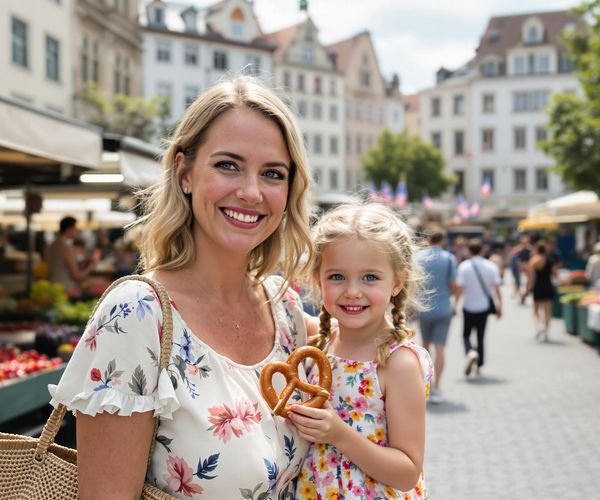

As a Norwegian transplant living in Munich, with a spirited six-year-old named Astrid, I've learned that traveling with kids isn't just about ticking off destinations; it's about crafting experiences that ignite curiosity and create lasting memories. It's about keeping the spirit of adventure alive, one adaptable itinerary and engaging activity at a time.
Embracing Flexibility: The Key to Kid-Friendly Itineraries
If there's one golden rule I've learned about traveling with children, it's this: flexibility is your best friend. Forget rigid schedules and jam-packed itineraries. Instead, think of your travel plan as a loose framework, ready to bend and sway with the unpredictable winds of childhood.
When planning our trips, I always build in buffer time. Astrid might be fascinated by a particularly interesting rock on a hiking trail, or we might stumble upon an impromptu street performance that captivates her attention. These spontaneous moments are often the most memorable, and they're only possible if you're not rushing to the next item on a tightly scheduled agenda.
For example, on our recent trip to Italy, we had planned to spend a full day at the Uffizi Gallery in Florence. However, after just a couple of hours, Astrid was clearly museum-ed out. Instead of forcing her to continue, we pivoted and spent the afternoon exploring the Boboli Gardens, where she could run around and discover hidden fountains and sculptures. It turned out to be a much more enjoyable experience for everyone.
Don't be afraid to adjust your plans on the fly based on your children's needs and interests. Before you travel, research family-friendly activities and attractions in your destination. Websites like TripAdvisor and local tourism boards are great resources. But also be open to suggestions from locals or fellow travelers you meet along the way. They might know about hidden gems that aren't listed in any guidebook.
Engaging Activities: Sparking Curiosity and Wonder
Children are natural explorers, and travel provides a fantastic opportunity to nurture their curiosity and sense of wonder. The key is to find activities that engage their imaginations and allow them to learn through play.
One of my favorite ways to do this is through scavenger hunts. Whether it's searching for specific architectural details in a historic city or identifying different types of plants in a botanical garden, scavenger hunts add an element of fun and excitement to any outing. You can even create your own scavenger hunts tailored to your destination and your children's interests.
During our trip to Barcelona, we participated in a cooking class where Astrid learned to make paella. It was a hands-on experience that not only taught her about Spanish cuisine but also allowed her to connect with the local culture in a meaningful way. We also love nature walks. Even a simple walk in a park can become an adventure if you encourage your children to observe the world around them. Ask them to collect leaves, identify birds, or listen for interesting sounds.
Whenever possible, incorporate local culture and traditions into your children's activities. Visit local markets, attend cultural festivals, or learn a few basic phrases in the local language. These experiences will help your children develop a deeper understanding and appreciation for the places they visit.
Remember to adapt activities to suit different age groups and interests. What works for a toddler might not be appropriate for a teenager. Consider your children's individual personalities and preferences when planning your itinerary.
Balancing Relaxation and Exploration: Finding the Sweet Spot
While it's important to keep children engaged and entertained, it's equally important to balance structured activities with downtime and relaxation. Over-scheduling can lead to exhaustion and meltdowns, which is no fun for anyone.
When choosing accommodations, look for places with kid-friendly amenities, such as swimming pools, playgrounds, or game rooms. These can provide a welcome break from sightseeing and allow children to burn off some energy. We often seek out apartments or vacation rentals with kitchens, so we can prepare some of our own meals. This not only saves money but also gives us more control over what Astrid eats.
Incorporate quiet time into your daily schedule. This could be as simple as reading a book together, listening to music, or taking a nap. During our travels, we always bring along Astrid's favorite books and toys to help her feel more comfortable and secure in unfamiliar surroundings.
Don't forget to prioritize self-care for parents. Traveling with children can be exhausting, so it's important to take care of your own needs as well. Schedule some time for yourself, whether it's a relaxing bath, a quiet walk, or a massage. If possible, take turns with your partner so that each of you gets a chance to recharge.
Finding kid-friendly restaurants and cafes is essential for a smooth travel experience. Look for places with outdoor seating, play areas, or children's menus. Be sure to check for dietary restrictions and preferences as well. Astrid, for example, has a mild dairy intolerance, so we always make sure to ask about ingredients before ordering.
Sustainable Adventures: Teaching Responsibility on the Road
Travel is a privilege, and it's important to teach children about the environmental and cultural impact of tourism. By involving them in sustainable travel practices, you can help them become responsible global citizens.
One simple way to do this is by reducing waste. Encourage your children to bring their own reusable water bottles, shopping bags, and snack containers. When possible, choose accommodations and transportation options that prioritize sustainability. Look for hotels that have implemented eco-friendly practices, such as energy-efficient lighting and water conservation programs. Consider taking trains or buses instead of flying, as these modes of transportation generally have a lower carbon footprint.
Support local businesses and communities by buying souvenirs from local artisans and eating at locally owned restaurants. This helps to ensure that your tourism dollars benefit the people who live in the places you visit. Educate your children about the local culture and customs. Before you travel, read books or watch documentaries about your destination. Teach your children a few basic phrases in the local language. This will help them connect with the local people and show respect for their culture.
Involve your children in eco-friendly activities, such as cleaning up trash on a beach or planting trees in a park. These hands-on experiences will help them understand the importance of protecting the environment. During our trip to Costa Rica, we volunteered at a sea turtle rescue center, where Astrid helped to care for injured turtles. It was a powerful experience that taught her about the importance of conservation.
Traveling with kids is about crafting experiences that ignite curiosity and create lasting memories. Learn how to keep the spirit of adventure alive, one adaptable itinerary and engaging activity at a time.