As a South African now living in Canada, I've always been fascinated by the beautiful tapestry of human culture. Travel, for me, isn't just about seeing new places; it's about understanding and respecting the people who call those places home. Cultural etiquette is the key to unlocking richer, more meaningful travel experiences. It's about more than just avoiding offense; it's about showing genuine respect and building bridges of understanding.
The Importance of Cultural Etiquette in Travel
Cultural etiquette refers to the set of customs and norms that govern social interactions within a specific culture. It encompasses everything from greetings and dining habits to dress codes and public behavior. Understanding these nuances is crucial for travelers because it allows us to navigate unfamiliar environments with grace and sensitivity.
When we take the time to learn about local customs, we demonstrate respect for the people and their way of life. This, in turn, fosters positive interactions and opens doors to authentic cultural exchange. It can transform a simple tourist visit into a deeply enriching experience.
Growing up in South Africa, I was immersed in a diverse cultural landscape. However, moving to Canada presented a whole new set of cultural norms to navigate. Simple things like queuing, personal space, and even humor were different. It was a humbling experience that taught me the importance of adaptability and open-mindedness. I quickly realized that what might be considered polite in one culture could be seen as rude in another.
Research and Preparation Before You Go
In today's interconnected world, there's no excuse for traveling blindly. A little research can go a long way in preparing you for the cultural landscape of your destination. Before any trip, I dive into online resources, travel guides, and documentaries to get a sense of the local customs and traditions.
Online resources like Evendo, travel blogs, and cultural websites offer a wealth of information on everything from tipping etiquette to appropriate attire. Travel guides provide valuable insights into the history, culture, and social norms of a region. I also find it helpful to connect with people who have traveled to the destination before or, even better, with locals who can offer firsthand advice.
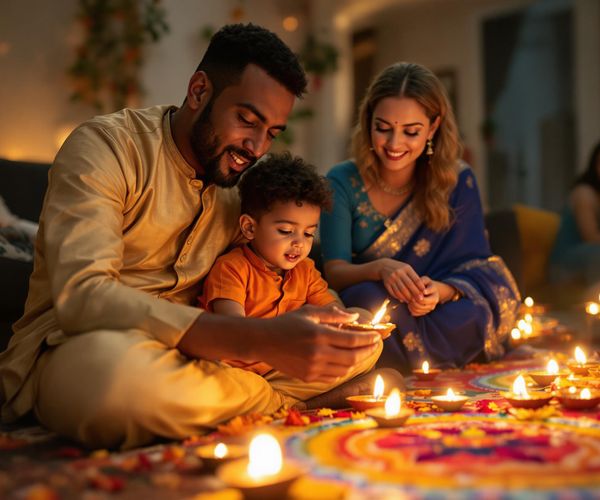
When planning a trip with my family, I involve my wife, Olivia, and our son, Thando, in the research process. We watch videos about the destination, read stories about its people, and even try to learn a few basic phrases in the local language. This not only prepares us for the trip but also gets us excited about the cultural experiences that await us.
Greetings and Communication
Communication is the foundation of any interaction, but it's not always as straightforward as it seems. Verbal and non-verbal cues can vary significantly across cultures, leading to misunderstandings if not approached with care. For example, in some cultures, direct eye contact is considered a sign of respect, while in others, it may be seen as confrontational.
Learning a few basic phrases in the local language can make a world of difference. Even a simple “hello” or “thank you” shows that you're making an effort to connect with the local culture. It can also help you navigate everyday situations like ordering food or asking for directions.
During a trip to Japan, I learned the hard way about the importance of understanding gestures. I had offered a small gift to a local business contact with one hand, not realizing that it's customary to use both hands as a sign of respect. The look on his face told me I had made a faux pas. I quickly apologized and corrected my mistake, but the experience taught me a valuable lesson about the power of non-verbal communication.
Dining Etiquette Around the World
Food is an integral part of any culture, and dining customs can vary widely from one country to another. Understanding these customs is not only polite but also enhances your culinary experiences. In some cultures, it's customary to eat with your hands, while in others, using utensils is the norm. The way you hold your chopsticks, the order in which you eat your food, and even the way you place your napkin can all have cultural significance.
In South Africa, I grew up with a vibrant mix of dining traditions. From the communal feasts of Xhosa culture to the formal table settings of Afrikaner households, I learned to appreciate the diversity of culinary customs. I've carried this appreciation with me throughout my travels, always eager to learn about the dining etiquette of the places I visit.
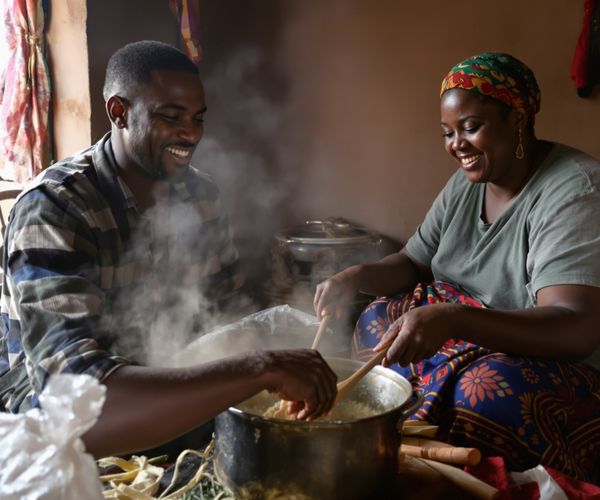
One of my most memorable dining experiences was in Ethiopia, where I shared a traditional meal with a local family. We sat on the floor around a large, shared platter of injera (a spongy flatbread) and various stews. We ate with our hands, tearing off pieces of injera to scoop up the food. It was a messy but incredibly intimate and rewarding experience.
Dress Codes and Public Behavior
The way we dress and behave in public can have a significant impact on how we're perceived by locals. Dressing appropriately and adhering to local customs is a sign of respect and can help you avoid unwanted attention. In some cultures, it's considered disrespectful to wear revealing clothing in public, while in others, it's perfectly acceptable.
Public behavior also varies across cultures. What might be considered normal in one country could be seen as rude or offensive in another. For example, in some cultures, it's considered impolite to talk loudly on your phone in public, while in others, it's perfectly acceptable. Similarly, public displays of affection may be frowned upon in some regions.
When traveling, I always try to observe how locals dress and behave and adapt my own behavior accordingly. I also make sure to research any specific dress codes or customs that may be in place, especially when visiting religious sites or attending cultural events.
Visiting Religious and Sacred Sites
Religious and sacred sites are often at the heart of a culture, and it's essential to approach them with respect and reverence. Before visiting a temple, church, mosque, or any other religious site, take the time to learn about the local customs and traditions. This includes understanding the appropriate attire, behavior, and any specific rules or regulations that may be in place.
In many religious sites, it's customary to remove your shoes before entering. Women may be required to cover their heads or shoulders. It's also important to be mindful of your behavior and avoid loud talking, laughing, or any other actions that could be seen as disrespectful.
During a visit to a Buddhist temple in Thailand, I was struck by the sense of peace and tranquility that permeated the space. I made sure to dress respectfully, remove my shoes before entering the temple, and refrain from taking photos during prayer. I also took the time to observe the local worshippers and learn about their customs and beliefs. It was a deeply moving and enlightening experience.
Photography and Social Media
Photography is a great way to capture memories and share your travel experiences with others. However, it's important to be mindful of cultural sensitivities and avoid taking photos that could be seen as disrespectful or intrusive. Always seek permission before photographing people, especially in private settings. Be mindful of cultural sensitivities and avoid taking photos of religious ceremonies or sacred objects without permission.
With the rise of social media, it's also important to consider the ethical implications of sharing your travel experiences online. Avoid posting photos or comments that could be seen as offensive or disrespectful to the local culture. Use your platform to promote cultural understanding and appreciation, rather than perpetuating stereotypes or misconceptions.
I try to use my photography to tell stories that celebrate the diversity and beauty of human culture. I always seek permission before photographing people and make sure to capture images that are respectful and authentic. I also use my social media platforms to share information about the cultures I visit, promoting understanding and empathy among my followers.
Common Cultural Faux Pas and How to Avoid Them
Despite our best efforts, we're all bound to make mistakes when navigating unfamiliar cultures. The key is to be aware of common cultural faux pas and learn from your mistakes. Some common mistakes include misinterpreting gestures, using inappropriate language, or violating local customs. The best way to avoid these mistakes is to do your research, observe the locals, and be open to learning from your experiences.
Adaptability, empathy, and open-mindedness are essential qualities for any traveler. Be willing to step outside of your comfort zone, embrace new experiences, and learn from your mistakes. Remember that cultural differences are not a barrier to connection but rather an opportunity to expand your horizons and deepen your understanding of the world.
I've made my fair share of cultural blunders during my travels, but I've always tried to approach them with humility and a willingness to learn. I believe that these experiences have made me a more empathetic and understanding traveler. I hope that by sharing my stories, I can inspire others to embrace cultural differences and embark on their own journeys of discovery.
Explore the importance of cultural etiquette in travel, with insights from James Dlamini on navigating traditions with respect.