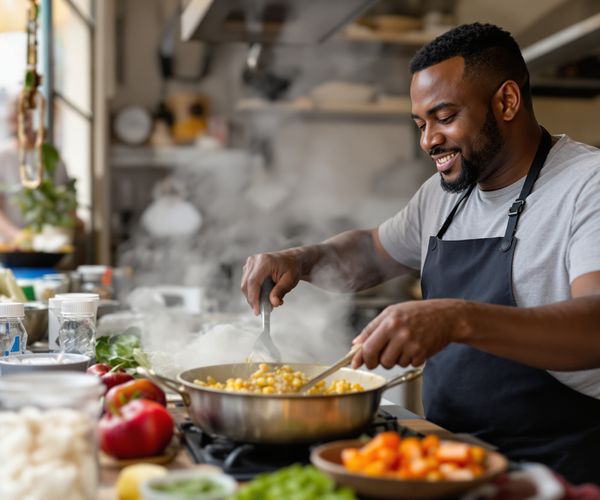
Hey fellow travelers! James here, ready to share my passion for exploring the world one dish at a time. Forget tourist traps – I'm all about diving deep into local cultures, and for me, that starts in the kitchen. Join me as we uncover the secrets of cooking with local ingredients, turning every trip into a delicious adventure.
The Allure of Culinary Travel
Culinary tourism is more than just eating; it's about experiencing a culture through its food. It's that first bite of authentic Pad Thai in Bangkok, the rich aroma of a Tuscan ragu simmering in a family-run trattoria, or the smoky tang of Argentinian Asado shared under the stars. Food connects us to the stories, traditions, and people of a place in a way that no guidebook ever could.
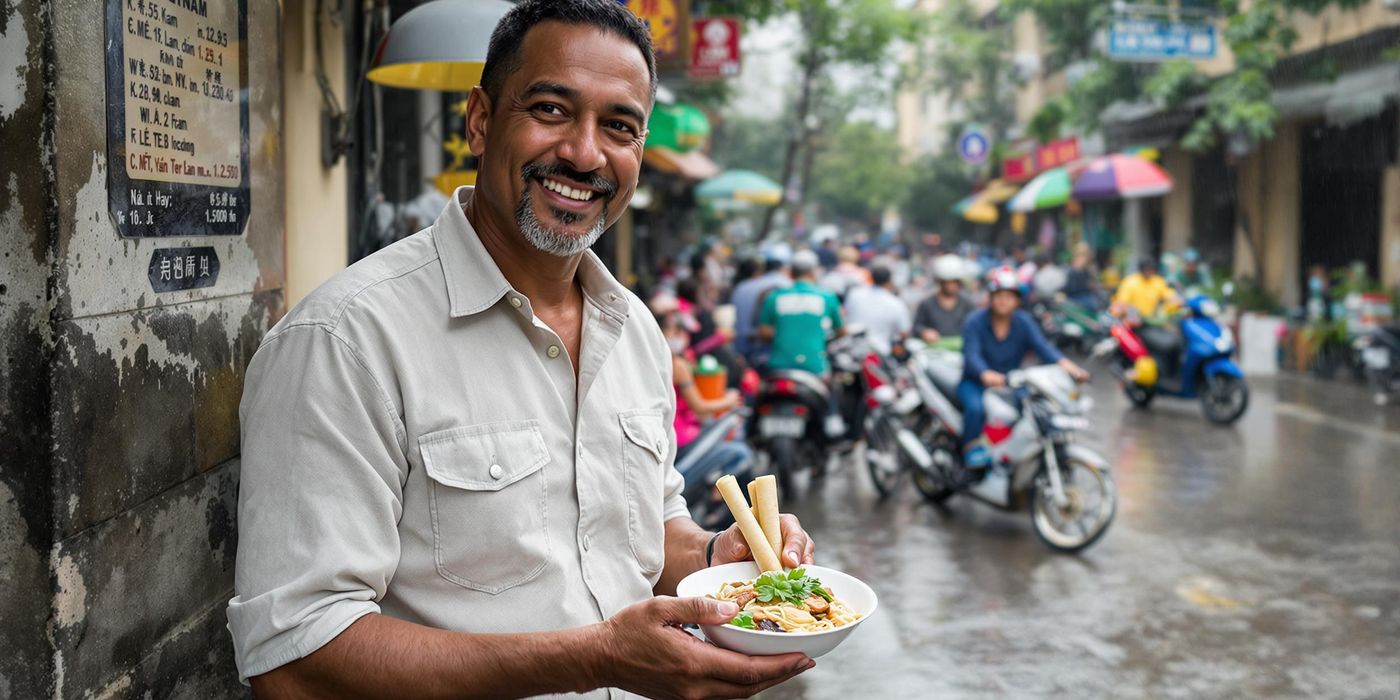
I remember backpacking through Southeast Asia and stumbling upon a tiny street-side stall in Hanoi. An elderly woman was making Bún chả, a Vietnamese dish of grilled pork and noodles. She didn't speak much English, and my Vietnamese was non-existent, but as I savored each bite of her incredible creation, we connected through a shared appreciation for the simple, yet profound, flavors of her home. That bowl of Bún chả wasn't just lunch; it was a lesson in history, a window into a culture, and a memory I'll cherish forever.
Embracing Local Markets: A Shopper's Guide
Local markets are the heart and soul of any culinary scene. They’re vibrant, bustling hubs where you can find the freshest ingredients and get a real taste of local life. But navigating them can be a bit daunting, so here are a few tips:
- Do your research: Before you go, learn a few basic phrases in the local language and familiarize yourself with common ingredients.
- Observe and respect local customs: Every market has its own etiquette. Watch how locals interact with vendors and follow their lead.
- Go early: The best produce is usually available in the morning.
- Don't be afraid to bargain (respectfully): Bargaining is common in many cultures, but always do it with a smile and a sense of humor.
- Engage with vendors: Ask questions about their products and their stories. You'll be surprised at what you can learn.
- Be aware of food safety: Choose vendors with clean stalls and fresh-looking produce. If something looks questionable, err on the side of caution.
- Bring your own bag: Reduce your environmental impact by bringing a reusable shopping bag.
Adapting Recipes on the Fly: The Art of Improvisation
One of the most exciting aspects of cooking with local ingredients is the need for improvisation. You might not always find exactly what you're looking for, but that's where the fun begins. Embrace the challenge and let your creativity flow.
- Be flexible: Don't be afraid to substitute ingredients based on what's available.
- Understand basic cooking techniques: Knowing how to sauté, roast, or grill will allow you to adapt recipes with confidence.
- Use online resources: Websites and apps like Food.com and Allrecipes offer a wealth of recipes from around the world.
- Trust your instincts: Taste as you go and adjust seasonings as needed.
Remember, cooking is an art, not a science. There are no hard and fast rules. The most important thing is to have fun and experiment.
Must-Try Ingredients by Region
Here are a few must-try ingredients from around the world, along with some suggestions on how to use them:
- Southeast Asia: Lemongrass (adds a citrusy aroma to soups and curries), Galangal (a ginger-like spice with a peppery flavor), Fish Sauce (a salty, umami-rich condiment).
- The Mediterranean: Olives (enjoy them as a snack, in salads, or as part of a tapenade), Feta Cheese (a salty, tangy cheese that's perfect in salads or grilled), Fresh Herbs (such as basil, oregano, and rosemary).
- South America: Quinoa (a versatile grain that can be used in salads, soups, or as a side dish), Aji Peppers (a variety of chili peppers with varying levels of heat), Yerba Mate (a traditional South American caffeinated beverage).
Don't be afraid to try new things! These ingredients are just a starting point. There's a whole world of culinary delights waiting to be discovered.
Simple Recipes for the Traveling Chef
Here are a few simple recipes that you can make on the go, using minimal equipment and local ingredients:
- Breakfast: Local fruit with yogurt and honey. A quick, healthy, and delicious way to start your day.
- Lunch: Sandwiches with local bread and fillings. Visit a local bakery and deli for fresh ingredients.
- Dinner: Simple pasta dishes with local vegetables and herbs. Pasta is easy to cook and can be paired with a variety of flavors.
Variations:
- Vegetarian: Substitute meat with tofu, beans, or lentils.
- Gluten-free: Use gluten-free pasta or bread.
Remember to use fresh, seasonal ingredients whenever possible. They'll have the most flavor and be the most affordable.
Engaging with Locals: Culinary Traditions and Stories
The best way to learn about a culture's cuisine is to connect with the people who create it. Here are a few ways to engage with locals and learn about their culinary traditions:
- Ask for cooking tips: Locals are usually happy to share their knowledge and recipes.
- Share a meal: Invite a local to join you for a meal or accept an invitation to dine with them.
- Participate in cooking classes or food tours: These are a great way to learn about local ingredients and cooking techniques.
- Be respectful of cultural differences: Remember that what's considered polite in one culture may not be in another.
Culinary exchanges can lead to meaningful cross-cultural connections. You might just make a new friend or discover a new favorite dish.
Explore how to cook with local ingredients while traveling, creating dishes that reflect the culinary heritage of the places you visit. Tips on shopping at local markets and adapting recipes on the go.