Seeing the World Through a Lens: More Than Just a Snapshot
For me, photography is more than just taking pictures; it's about preserving memories and telling stories. Each photo is a time capsule, transporting you back to a specific moment, emotion, and experience. It's incredible how a simple image can evoke such powerful feelings. You don't need an expensive camera to start capturing these moments. A smartphone or a basic camera can be just as effective. I remember on a trip back to South Africa, my old smartphone captured the vibrant colors of the Bo-Kaap neighborhood in Cape Town more vividly than I ever imagined. It's about the eye, not the gear.
Composition is Key: Framing Your Story
Composition is the backbone of a great photo. One of the most fundamental concepts is the rule of thirds. Imagine dividing your frame into nine equal parts with two horizontal and two vertical lines. Placing your subject along these lines or at their intersections can create a more balanced and visually appealing image. Leading lines are another powerful tool. These lines draw the viewer's eye into the image, creating depth and interest. Think of a winding road or a row of trees converging in the distance. Symmetry and patterns can also create stunning photos. Look for repeating shapes or mirrored images in nature or architecture. During my travels in South Africa, I used leading lines to capture the vastness of the Drakensberg mountains, and in Canada, I found symmetry in the reflection of the Kelowna cityscape on Okanagan Lake.
Light and Shadow: Painting with Natural Light
Light is everything in photography. The golden hour, the period shortly after sunrise and before sunset, provides warm, soft light that can transform any scene. The light during this time adds a magical touch. But what about other lighting conditions? Overcast days can actually be great for photography, providing soft, diffused light that reduces harsh shadows. Shadows themselves can add depth and interest to your photos. Experiment with capturing shadows in different ways to create dramatic effects. Avoiding harsh sunlight is crucial. If you must shoot in bright sunlight, try to find shade or use a diffuser to soften the light. I've learned to embrace the challenge of different lighting conditions and use them to my advantage.
Storytelling Through Images: Capturing the Essence of a Place
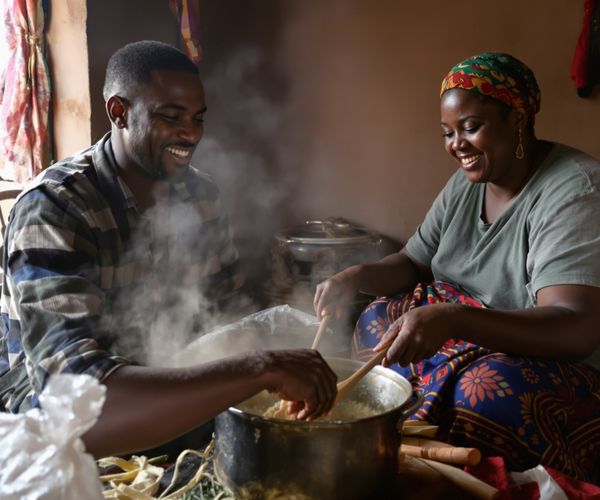
The best travel photos tell a story. Capturing candid moments and authentic expressions can convey the essence of a place and its people. Look for details that tell a story, such as a street vendor selling local delicacies or children playing in a park. Context is also important. Include elements in your photo that provide a sense of place, such as landmarks or local architecture. Photography can also be a powerful tool for documenting cultural experiences and interactions. Remember to be respectful and mindful of the people you are photographing. One of my favorite travel photos is of a group of women in traditional attire at a market in Durban, South Africa. It captures the vibrant culture and spirit of the city.
Smartphone Photography: Your Pocket-Sized Travel Companion
Smartphones have revolutionized travel photography. They are lightweight, convenient, and always with you. The advantages of using a smartphone for travel photography are numerous. To improve your smartphone photo quality, try using HDR (High Dynamic Range) mode, which balances the light and dark areas of your photo. Adjusting the focus manually can also make a big difference. Experiment with different smartphone camera apps to enhance your creativity. There are many apps available that offer advanced features and filters. Essential smartphone photography accessories include a portable tripod and a lens attachment kit. These can help you stabilize your shots and capture a wider range of perspectives.
Basic Camera Techniques: Mastering the Fundamentals
Understanding the basics of aperture, shutter speed, and ISO can greatly improve your photography skills. Aperture controls the amount of light that enters the camera and affects the depth of field. Shutter speed determines how long the camera's sensor is exposed to light, affecting motion blur. ISO measures the sensitivity of the camera's sensor to light. Different camera modes can help you achieve desired effects. Aperture priority mode allows you to control the aperture while the camera automatically adjusts the shutter speed. Shutter priority mode lets you control the shutter speed while the camera adjusts the aperture. Understanding depth of field is crucial for creating visually appealing photos. A shallow depth of field can blur the background, while a deep depth of field keeps everything in focus. Shooting in manual mode gives you greater control over your camera settings, allowing you to fine-tune your shots to perfection.
Ethical Considerations: Respecting People and Places
Ethical considerations are paramount in travel photography. Always ask for permission before photographing people, especially in sensitive cultural contexts. Be mindful of cultural sensitivities when taking photos. Avoid photographing religious ceremonies or private moments without consent. Photography can have a significant impact on the environment and local communities. Be respectful of natural habitats and avoid disturbing wildlife. Support local businesses and initiatives that promote sustainable tourism. Responsible travel photography is about capturing the beauty of the world while preserving its integrity. It is important to always be respectful of the local communities and their customs when traveling. I try to ensure that my photography does not negatively impact the places I visit and the people I meet.
Capture stunning travel moments with practical photography tips. Learn composition, lighting, and storytelling techniques to enhance your travel photos, even with minimal equipment.