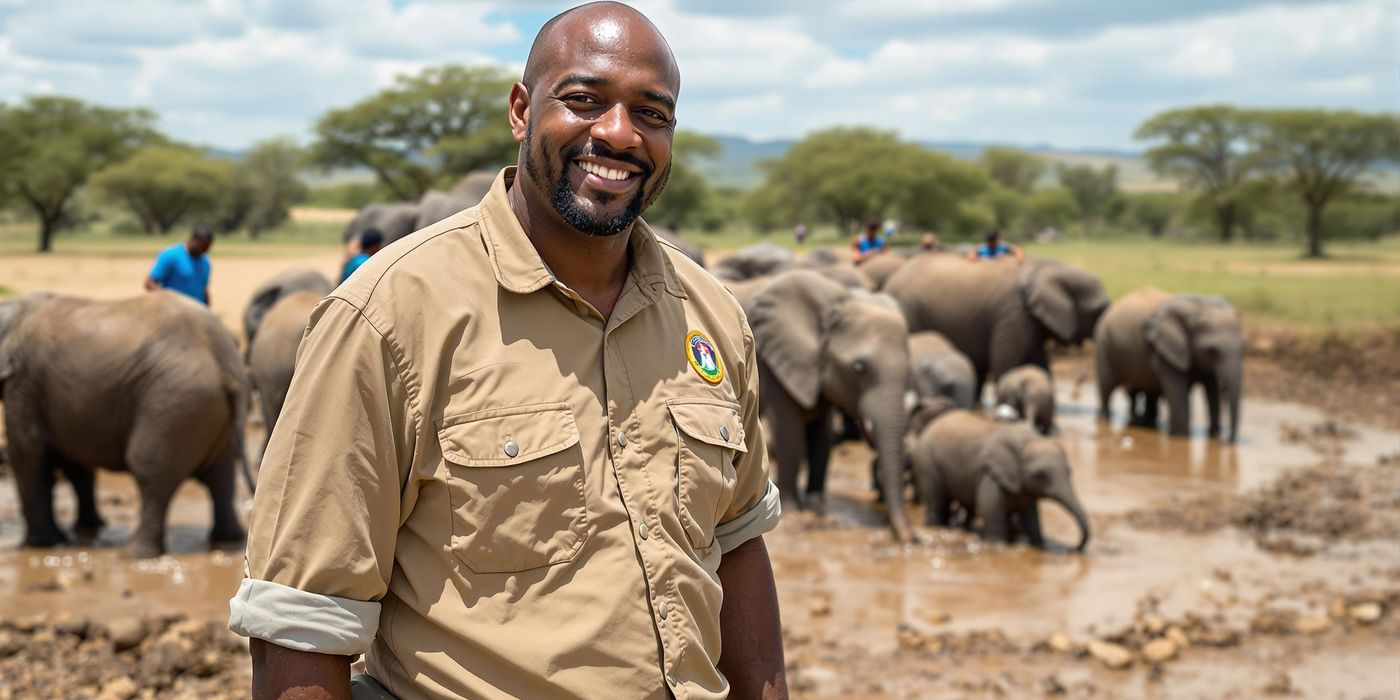
As someone who grew up in South Africa, the call of the wild is practically in my blood. I've always felt a deep connection to the incredible biodiversity around us, and I believe it's our responsibility to protect it. Now living in Canada, I carry that passion with me, exploring new landscapes and sharing my experiences with my son, Thando. Through my travels, I've learned that we, as travelers, can make a real difference in wildlife conservation. It's not just about seeing these magnificent creatures in their natural habitats, but about ensuring those habitats—and the animals themselves—thrive for generations to come.
The Urgency of Wildlife Conservation
The world's wildlife is facing unprecedented threats. Habitat loss due to deforestation and urban expansion, poaching driven by illegal trade, and the escalating impacts of climate change are pushing countless species to the brink of extinction. Consider this: recent studies show that we're losing species at a rate 1,000 times higher than the natural extinction rate. These aren't just numbers; they represent irreplaceable losses to our planet's biodiversity. Biodiversity isn't just a buzzword; it's the intricate web of life that sustains us all. Each species plays a role in maintaining healthy ecosystems, from the smallest insects to the largest predators. When we lose a species, we disrupt this delicate balance, with potentially devastating consequences.
Beyond the ecological importance, wildlife tourism plays a significant role in many economies. In Africa alone, it generates billions of dollars annually, supporting local communities and funding conservation efforts. However, this economic benefit is contingent on healthy wildlife populations. If we fail to protect these animals and their habitats, we risk losing not only the biodiversity but also the economic opportunities that depend on it.
Choosing Responsible Tour Operators
One of the most impactful decisions we can make as travelers is choosing tour operators committed to ethical and sustainable practices. But how do you identify a responsible operator? Look for certifications such as those from the Global Sustainable Tourism Council (GSTC) or similar reputable organizations. These certifications indicate that the operator has met certain environmental and social standards. Partnerships with conservation organizations are another good sign. Operators who actively collaborate with groups like the World Wildlife Fund or local conservation initiatives are more likely to prioritize responsible practices.
Transparency is key. Responsible operators should be open about their business practices, including how they minimize their environmental impact and support local communities. Read reviews from previous customers, paying close attention to comments about animal welfare and environmental stewardship. Some tour operators go above and beyond. For instance, I once traveled with a company in Botswana that not only used eco-friendly vehicles but also contributed a portion of their profits to anti-poaching patrols. These are the kinds of operators we should be supporting.
Supporting Conservation Projects Directly
Another powerful way to contribute to wildlife conservation is by directly supporting conservation projects during your travels. Many organizations offer opportunities to volunteer at animal sanctuaries, participate in research programs, or simply donate to their cause. One organization that stands out is Save the Elephants in Kenya. They work tirelessly to protect elephants from poaching and habitat loss through research, community engagement, and advocacy. The Borneo Orangutan Survival Foundation is another fantastic example. They rescue and rehabilitate orphaned orangutans, working to reintroduce them back into the wild and protect their forest habitats.
In Costa Rica, the Sea Turtle Conservancy is dedicated to protecting sea turtles and their nesting beaches. Travelers can volunteer to help with beach cleanups, monitor nesting sites, and even assist with releasing baby turtles into the ocean. These experiences not only provide direct support to conservation efforts but also offer a unique and unforgettable way to connect with wildlife. When choosing a project to support, do your research to ensure that the organization is reputable and that your contribution will have a meaningful impact.
Eco-Friendly Practices for Travelers
Even small changes in our travel habits can make a big difference in minimizing our environmental impact. When it comes to transportation, consider options that reduce carbon emissions, such as taking trains or buses instead of planes whenever possible. Within your destination, opt for walking, cycling, or using public transportation. Conserving water and energy is also crucial. Be mindful of your water usage in hotels, and turn off lights and air conditioning when you leave your room. Avoiding single-use plastics is another simple but effective way to reduce your footprint. Bring your own reusable water bottle, shopping bags, and toiletries to avoid relying on disposable items.
Respecting wildlife is paramount. Maintain a safe distance from animals, avoid using flash photography, and never feed them. Feeding wild animals can disrupt their natural behaviors and make them dependent on humans. Supporting local communities is equally important. Buy locally made products, eat at local restaurants, and respect local customs. This not only helps to support the local economy but also reduces the environmental impact of transporting goods from afar. Consider carbon offsetting programs to compensate for your travel emissions, and look for eco-friendly accommodations that prioritize sustainability.
The Role of Wildlife Heritage Areas
Wildlife Heritage Areas are playing an increasingly important role in responsible tourism. These areas are dedicated to ensuring high standards of animal welfare and empowering local communities through sustainable tourism practices. They represent a commitment to protecting wildlife and their habitats while providing visitors with authentic and educational experiences. The Apennines Marsican Bear Heritage Area in Italy, for example, is working to protect the endangered Marsican bear through habitat conservation, community engagement, and responsible tourism initiatives. These areas often involve local communities in conservation efforts, providing them with economic opportunities and a sense of ownership over their natural heritage.
By visiting and supporting Wildlife Heritage Areas, travelers can contribute to the long-term protection of these valuable ecosystems. These areas offer a model for how tourism can be a force for good, benefiting both wildlife and local communities. Look for certifications and accreditations that indicate an area's commitment to responsible practices, and be sure to respect the guidelines and regulations in place to protect wildlife and their habitats.
Making Informed Choices: What to Avoid
It's essential to be aware of activities and attractions that can be harmful to wildlife. Captive animal attractions, such as zoos and elephant rides, often subject animals to cruel and unnatural conditions. These facilities may prioritize profit over animal welfare, and the animals may suffer from stress, boredom, and physical abuse. Avoid purchasing souvenirs made from animal parts, such as ivory, coral, or reptile skins. This trade fuels poaching and contributes to the decline of endangered species. Touching wild animals, even seemingly harmless ones, can disrupt their natural behaviors and transmit diseases. Avoid operations that disrupt natural behaviors, such as swimming with dolphins or taking selfies with sloths.
By making informed choices and avoiding harmful activities, we can help to protect wildlife and ensure their well-being. Educate yourself about the potential impacts of your travel choices, and support businesses that prioritize animal welfare and conservation. Together, we can create a more sustainable and responsible tourism industry that benefits both people and wildlife.
Travelers can contribute to conservation by choosing responsible tour operators, supporting conservation projects, adopting eco-friendly practices, and avoiding harmful activities.