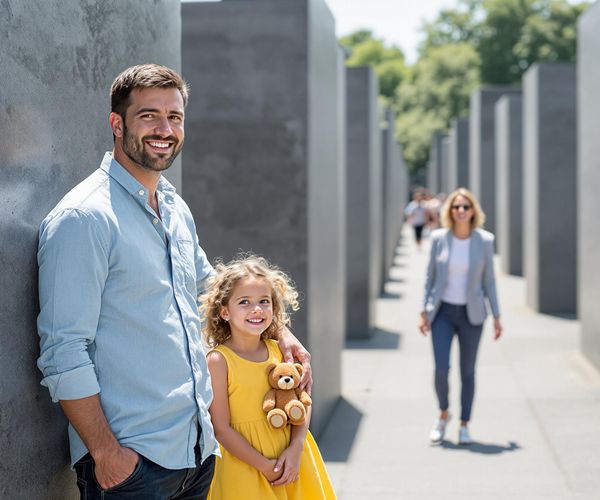
As a digital nomad with a family, the allure of working from anywhere is incredibly appealing. My wife, Lena, our daughter, Sophia, and I have been navigating this lifestyle for a few years now, and while it's been an amazing journey, it comes with its own unique set of challenges. Balancing work deadlines with family time, ensuring Sophia’s education doesn't suffer, and finding destinations that cater to both our professional needs and our family’s interests requires careful planning and a healthy dose of flexibility. Here are some insights I’ve gathered along the way, hoping to help other families embrace the digital nomad life with a bit more ease.
Setting Realistic Expectations and Goals
One of the first lessons we learned was the importance of aligning our travel ambitions with our work commitments. It's easy to get caught up in the excitement of exploring new places, but it's crucial to remember that work still needs to get done. Before embarking on a trip, Lena and I sit down to discuss our work schedules and identify potential challenges. This involves looking at deadlines, project milestones, and any significant meetings that require our attention.
Setting achievable daily and weekly work goals is essential for staying productive while on the move. Instead of trying to cram in eight hours of work each day, we break it down into smaller, more manageable chunks. This allows us to dedicate time to both work and family activities without feeling overwhelmed. We also make sure to factor in travel time and potential disruptions, such as unreliable internet connections or unexpected delays.
Flexibility and adaptability are key to making the digital nomad lifestyle work. Things don't always go according to plan, so it's important to be prepared to adjust your schedule and expectations as needed. This might mean working late one night to make up for lost time or taking a day off to explore a new city and catching up on work later in the week. The goal is to find a balance that allows you to be both productive and present with your family.
Creating a Family-Friendly Work Routine
Establishing a consistent daily schedule can help bring structure to your life on the road. Our routine typically involves waking up early to get a few hours of work done before Sophia wakes up. This allows us to focus on our tasks without distractions and frees up the rest of the day for family activities.
Time management is crucial for maximizing productivity. We use productivity apps like Trello and Asana to stay organized and track our progress on various projects. Time-tracking tools like Toggl Track help us monitor how we're spending our time and identify areas where we can improve our efficiency.
Setting boundaries between work and leisure is essential for avoiding burnout. When we're working, we make sure to create a dedicated workspace where we can focus without interruptions. Once we're done for the day, we make a conscious effort to disconnect from work and spend quality time with Sophia and Lena. This might involve going for a walk, playing games, or simply relaxing together.
Choosing the Right Destinations
Selecting family-friendly destinations is crucial for ensuring a positive experience for everyone. Factors to consider include safety, cost of living, internet connectivity, and the availability of activities and attractions that appeal to both adults and children. We also look for destinations with good healthcare facilities and access to essential amenities.
Europe offers a wealth of destinations that are perfect for digital nomad families. From the charming streets of Prague to the sunny beaches of Spain, there's something for everyone. We particularly enjoy exploring destinations that offer a blend of culture, history, and outdoor activities. Berlin, where we currently live, is a great example of a city that offers a vibrant cultural scene, plenty of green spaces, and excellent transportation links.
Co-living and co-working spaces with childcare facilities are becoming increasingly popular in certain locations. These spaces offer a convenient way to balance work and family responsibilities, providing a supportive environment where you can connect with other digital nomad families. Some spaces even offer educational programs and activities for children, making it easier to manage schooling on the road.
Managing Education on the Road
One of the biggest concerns for digital nomad families is ensuring that their children receive a quality education while traveling. Fortunately, there are several options available, including homeschooling, online resources, and international schools. We've chosen to homeschool Sophia, using a combination of online programs and educational activities that we incorporate into our travels.
Incorporating educational experiences into your travel itineraries can make learning more engaging and meaningful. Visiting historical sites, museums, and cultural landmarks can bring history and culture to life. Exploring natural wonders, such as national parks and nature reserves, can teach children about science and the environment. We always try to find ways to connect what Sophia is learning with the places we're visiting.
Learning through cultural immersion and real-world experiences can be incredibly beneficial. By interacting with people from different cultures, children can develop a broader perspective and a greater appreciation for diversity. They can also learn valuable skills such as adaptability, problem-solving, and communication. We encourage Sophia to interact with locals, try new foods, and learn a few basic phrases in the local language wherever we go.
Staying Connected and Building a Community
The digital nomad lifestyle can sometimes feel isolating, especially when you're far away from family and friends. That's why it's important to make an effort to stay connected and build a community. Online communities and social media groups can be a great way to connect with other digital nomad families, share tips and advice, and find support. We're active in several online groups for traveling families, and we've found them to be invaluable resources.
Attending local meetups and events can help you build a support network in your current location. Look for events that cater to families or digital nomads, or simply strike up conversations with people you meet at parks, cafes, or other public spaces. We've met some amazing people through local meetups, and they've helped us feel more connected to the communities we've visited.
Maintaining relationships with family and friends back home is also important. Schedule regular video calls, send postcards, and share photos and updates on social media. Even though you're far away, it's important to let your loved ones know that you're thinking of them and that you value their support.
Practical tips for digital nomad families on balancing work and travel, including time management, destination choices, and education on the road.