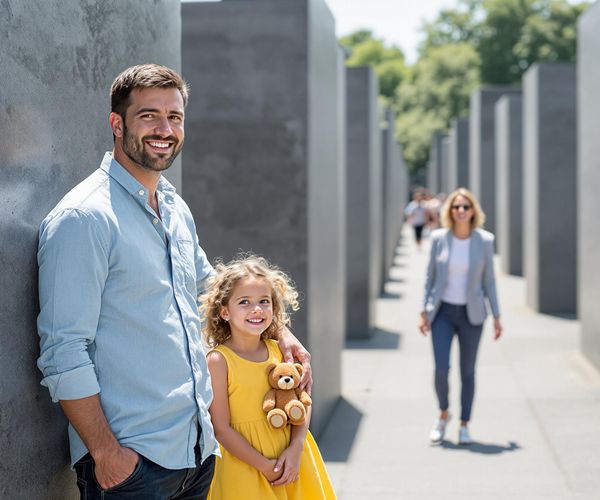
Berlin, with its vibrant city life, might not be the first place that springs to mind when you think of hiking. But trust me, just beyond the city limits lies a treasure trove of natural beauty waiting to be explored. As a dad and a travel enthusiast, I've discovered the joy of introducing my daughter, Sophia, to the wonders of the great outdoors. Hiking with kids isn't just about the exercise; it's about creating memories, fostering a love for nature, and experiencing the world through their curious eyes. So, lace up those boots, and let's dive into how to make family hikes a fun and enriching experience.
Why Hike with Kids? The Benefits of Hitting the Trails Early
Why should you drag your little ones away from their screens and into the woods? Well, the benefits are plentiful. First off, there's the physical aspect. Hiking is a fantastic way to get kids moving, improving their cardiovascular health and strengthening their muscles. It's a full-body workout disguised as an adventure!
Beyond the physical, hiking offers immense mental health benefits. Studies have shown that spending time in nature reduces stress, improves mood, and boosts creativity. For kids, it's a chance to unplug from the digital world, breathe in the fresh air, and connect with their surroundings. And let's not forget the family bonding! There's something special about tackling a trail together, encouraging each other along the way, and sharing the sense of accomplishment at the summit (or the end of the trail, at least).
Perhaps most importantly, hiking fosters a love for nature and environmental awareness. When kids experience the beauty and fragility of the natural world firsthand, they're more likely to become stewards of the environment. It's about instilling a sense of responsibility and inspiring them to protect our planet for future generations.
Trail Selection: Finding the Right Fit for Little Legs
Choosing the right trail is crucial for a successful family hike. You don't want to start with something too challenging and risk turning your kids off to hiking altogether. Start small and gradually increase the difficulty as they gain experience and confidence.
When selecting a trail, consider the following factors: trail length, elevation gain, and terrain. For younger children, shorter trails with minimal elevation gain are ideal. Look for trails with interesting features, such as streams, waterfalls, or viewpoints, to keep them engaged. Terrain is also important; avoid trails with steep drop-offs or rocky surfaces that could be hazardous for little legs.
There are numerous resources available for finding family-friendly trails. Hiking apps like Komoot and Outdooractive are great for researching trails, viewing maps, and reading reviews from other hikers. Local parks websites often provide information on trail conditions, difficulty levels, and amenities. Don't hesitate to ask for recommendations from friends or other families who enjoy hiking.
Living near Berlin, we're fortunate to have access to some fantastic family-friendly hiking options. One of our favorites is the Müggelsee Trail, which circles Berlin's largest lake. It's mostly flat, with plenty of opportunities for swimming and picnicking. Another great option is the Drachenberge in Grunewald. Though it has a bit of an incline, the views from the top are rewarding, and the area is steeped in history. The paths around Sacrow Palace and Park are also a delight, combining nature with a bit of cultural exploration.
Gear Up! What to Pack for a Successful Family Hike
Proper gear can make or break a family hike. A well-packed backpack ensures that you're prepared for any situation and that everyone stays comfortable and safe.
Here's a comprehensive packing list for a family hike:
- Water: Bring plenty of water for everyone, especially on hot days. Consider using hydration packs or reusable water bottles.
- Snacks: Pack nutritious and appealing snacks to keep energy levels up. Think trail mix, fruits, vegetables, sandwiches, and energy bars.
- Sunscreen: Protect your skin from the sun's harmful rays with a broad-spectrum sunscreen.
- Insect repellent: Keep those pesky bugs away with an effective insect repellent.
- First-aid kit: Be prepared for minor injuries with a well-stocked first-aid kit, including bandages, antiseptic wipes, pain relievers, and blister treatment.
- Appropriate footwear: Make sure everyone wears comfortable and supportive hiking shoes or boots. Avoid sandals or flip-flops.
- Clothing: Dress in layers to adapt to changing weather conditions. Bring rain gear in case of unexpected showers.
- Kid-friendly backpacks: Let your kids carry their own small backpacks with their water, snacks, and a few small toys.
To keep kids entertained, consider bringing a magnifying glass for exploring insects, a nature journal for drawing and writing about their observations, or small toys to play with during breaks.
Safety First: Essential Tips for a Secure Hiking Experience
Safety should always be a top priority when hiking with children. Before heading out, check the weather forecast and be prepared for changing conditions. Avoid hiking during thunderstorms or extreme heat.
Stick to marked trails and avoid shortcuts or venturing off the path. Teach your children to stay within sight and earshot and to never wander off alone. Be aware of your surroundings and watch out for potential hazards, such as slippery rocks, steep drop-offs, and wildlife.
Familiarize yourself with basic first-aid procedures and know how to treat common hiking injuries, such as blisters, sunburn, and insect bites. Carry a map and compass or a GPS device and know how to use them. In case of an emergency, have a plan for contacting help. Ensure your phone is fully charged and consider bringing a portable charger.
If you get lost, stay calm and try to retrace your steps. If that's not possible, stay where you are and signal for help. Use a whistle or shout periodically. If you have a brightly colored piece of clothing, wave it to attract attention.
Making it Fun: Engaging Kids with Nature on the Trail
Hiking with kids doesn't have to be a chore; it can be a fun and engaging experience for everyone. The key is to make it interactive and to tap into their natural curiosity.
Games and activities can help keep kids motivated and entertained during the hike. Scavenger hunts are a classic; create a list of items for them to find along the trail, such as a specific type of leaf, a smooth rock, or a feather. Nature bingo is another fun option; create bingo cards with pictures of things they might see on the hike.
Encourage observation and exploration of the natural environment. Stop to examine interesting plants, insects, or animal tracks. Teach your kids about the local flora and fauna. Bring a field guide to help identify different species. Share stories and imaginative play to make the hiking experience even more memorable.
Snack Time Strategies: Fueling Up for Little Hikers
Snacks are essential for keeping little hikers happy and energized. Pack nutritious and appealing snacks that are easy to carry and eat on the trail.
Some great snack options include trail mix, fruits (apples, bananas, oranges), vegetables (carrot sticks, celery sticks), sandwiches, energy bars, and cheese sticks. Avoid sugary snacks that will lead to a quick energy crash. Involve your children in the snack preparation process. Let them help choose and pack their own snacks. This will make them more excited about eating them on the trail.
Encourage kids to drink water regularly, even if they don't feel thirsty. Dehydration can lead to fatigue, headaches, and other problems. Bring plenty of water and offer it frequently. Consider using hydration packs or reusable water bottles with fun designs to encourage them to drink more.
Leave No Trace: Teaching Kids About Environmental Responsibility
Hiking is a wonderful way to connect with nature, but it's important to do so responsibly. Teach your children about the principles of Leave No Trace and how to apply them on family hikes.
The seven principles of Leave No Trace are:
- Plan ahead and prepare.
- Travel and camp on durable surfaces.
- Dispose of waste properly.
- Leave what you find.
- Minimize campfire impacts.
- Respect wildlife.
- Be considerate of other visitors.
Encourage children to respect wildlife and their habitats. Teach them not to feed animals or disturb their homes. Provide tips for minimizing impact on the environment, such as packing out all trash, staying on designated trails, and avoiding trampling vegetation. Discuss the importance of conservation and protecting natural resources for future generations. Make it a fun and engaging learning experience.
Discover how to plan safe and fun family hikes, fostering a love for nature in children. Includes trail tips, packing essentials, and safety guidelines.