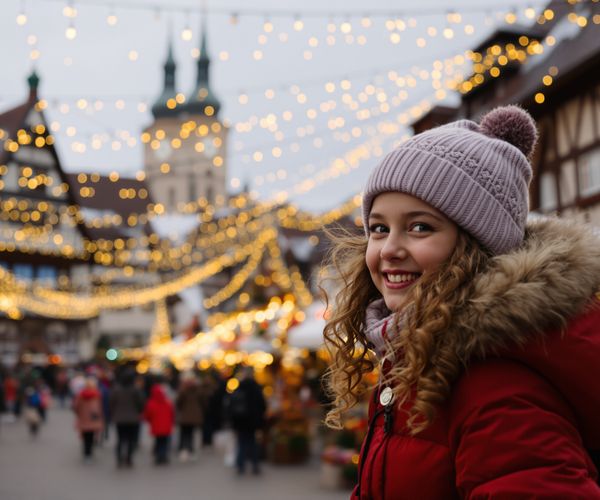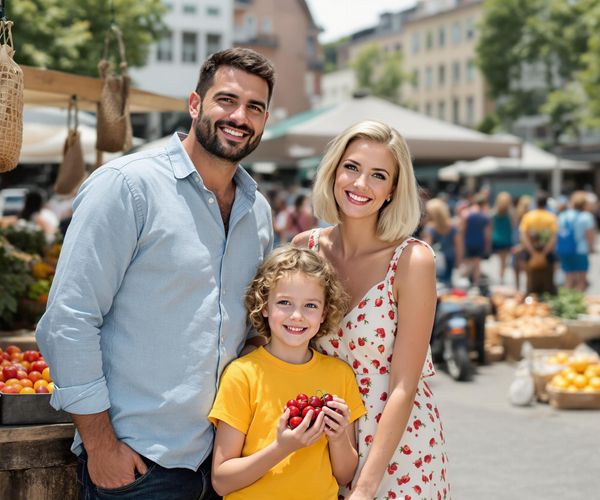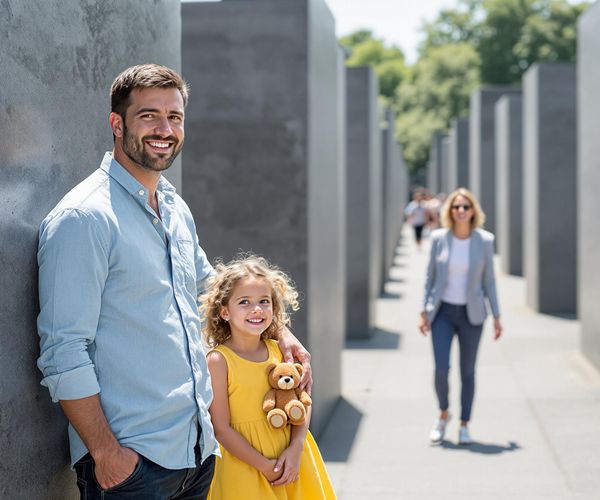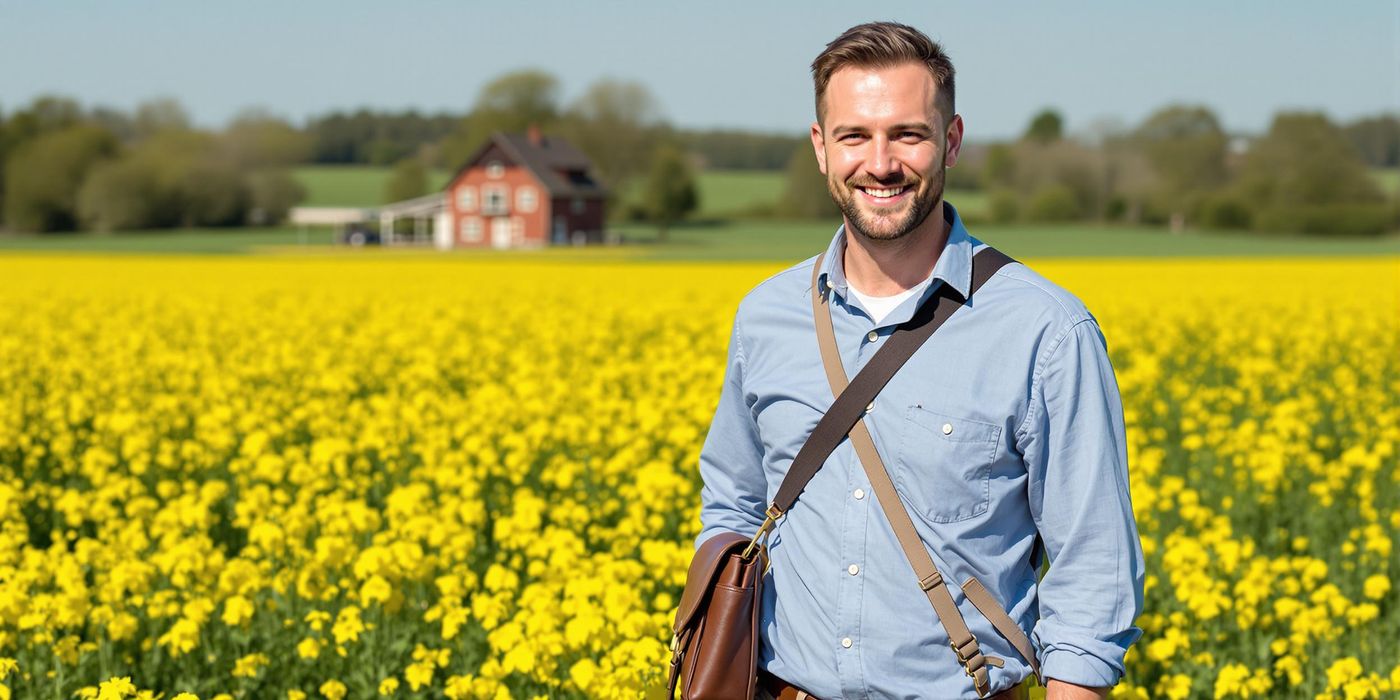
Hey everyone, James here! As an English Language Content Editor at a Travel Tech Startup, a dad, and a passionate traveler, I've learned a thing or two about capturing those unforgettable moments on the road. Today, I want to share some tips to elevate your travel photography and help you preserve your memories in stunning detail. Whether you're trekking through the Brandenburg countryside or exploring the historic streets of Berlin, these techniques will help you tell your story through images.
Gear Essentials: Choosing the Right Camera and Lenses
Choosing the right gear is the first step in your travel photography journey. The best camera is the one you have with you, but let's consider some options:
- DSLRs: Offer excellent image quality and versatility but can be bulky and heavy.
- Mirrorless Cameras: A great balance of image quality and portability. They're generally lighter than DSLRs.
- Point-and-Shoot Cameras: Compact and easy to use, perfect for casual snapshots.
- Smartphones: Incredibly convenient and capable, especially with advancements in mobile photography.
For lenses, versatility is key. Consider these options:
- Wide-Angle Lens: Ideal for capturing expansive landscapes and architectural wonders.
- Zoom Lens: Offers flexibility for various shooting scenarios, from wildlife to distant landmarks.
- Prime Lens: Known for their sharpness and performance in low light, great for portraits and street photography.
Remember, the size and weight of your gear matter when you're on the go. A compact camera setup can make your travels much more enjoyable.
Mastering Camera Settings: Aperture, Shutter Speed, and ISO
Understanding the exposure triangle—aperture, shutter speed, and ISO—is crucial for taking control of your images.
- Aperture: Controls the depth of field. A wide aperture (e.g., f/2.8) creates a shallow depth of field, perfect for portraits with a blurred background. A narrow aperture (e.g., f/11) keeps everything in focus, ideal for landscapes.
- Shutter Speed: Determines how long the camera's sensor is exposed to light. Use a fast shutter speed to freeze motion or a slow shutter speed to create motion blur.
- ISO: Measures the sensitivity of the camera's sensor to light. Keep it low (e.g., ISO 100) in bright conditions to minimize noise. Increase it in low light, but be mindful of image quality.
For quick adjustments, try using Aperture Priority mode (Av or A on your camera). This allows you to set the aperture while the camera automatically adjusts the shutter speed for proper exposure. This is especially useful when the light changes quickly.
Composition Techniques: Framing, Leading Lines, and Rule of Thirds
Composition is the art of arranging elements within your frame to create visually appealing images.
- Framing: Use elements in the scene, like trees or archways, to frame your subject and draw attention to it.
- Leading Lines: Use lines, such as roads or rivers, to guide the viewer's eye through the image.
- Rule of Thirds: Divide your frame into nine equal parts and place key elements along these lines or at their intersections for a balanced composition.
Don't be afraid to experiment with other techniques like symmetry, patterns, and minimalism. Capture a mix of close-ups, mid-range shots, and wide shots to tell a complete story of your travels.
The Importance of Light: Golden Hour, Blue Hour, and Working with Shadows
Light can make or break a photograph. Understanding how to use it is essential.
- Golden Hour: The hour after sunrise and the hour before sunset, when the light is soft, warm, and flattering.
- Blue Hour: The hour after sunset and the hour before sunrise, when the light is cool, soft, and ethereal.
Make the most of natural light in different weather conditions. On sunny days, use the sun as your brightest source of light and a lens hood to block stray light. On cloudy days, the diffused light can be perfect for portraits. Work with shadows to add depth and drama to your images. Pay attention to how light, shadow, and contrast interact to create mood and atmosphere.
Capturing People and Culture: Respect, Consent, and Storytelling
Photographing people and culture requires sensitivity and respect.
- Respect Local Customs: Research the place you're visiting and learn about its customs and traditions.
- Obtain Consent: Always ask for permission before photographing someone, especially in more traditional cultures.
- Capture Candid Moments: Look for authentic moments that reflect the essence of a place and its people.
Use your images to share stories and promote cross-cultural understanding. Learning a few phrases in the local language can go a long way in building rapport and showing respect.
Learn how to take better travel photos with these tips on camera settings, composition, lighting, and capturing people and places respectfully.