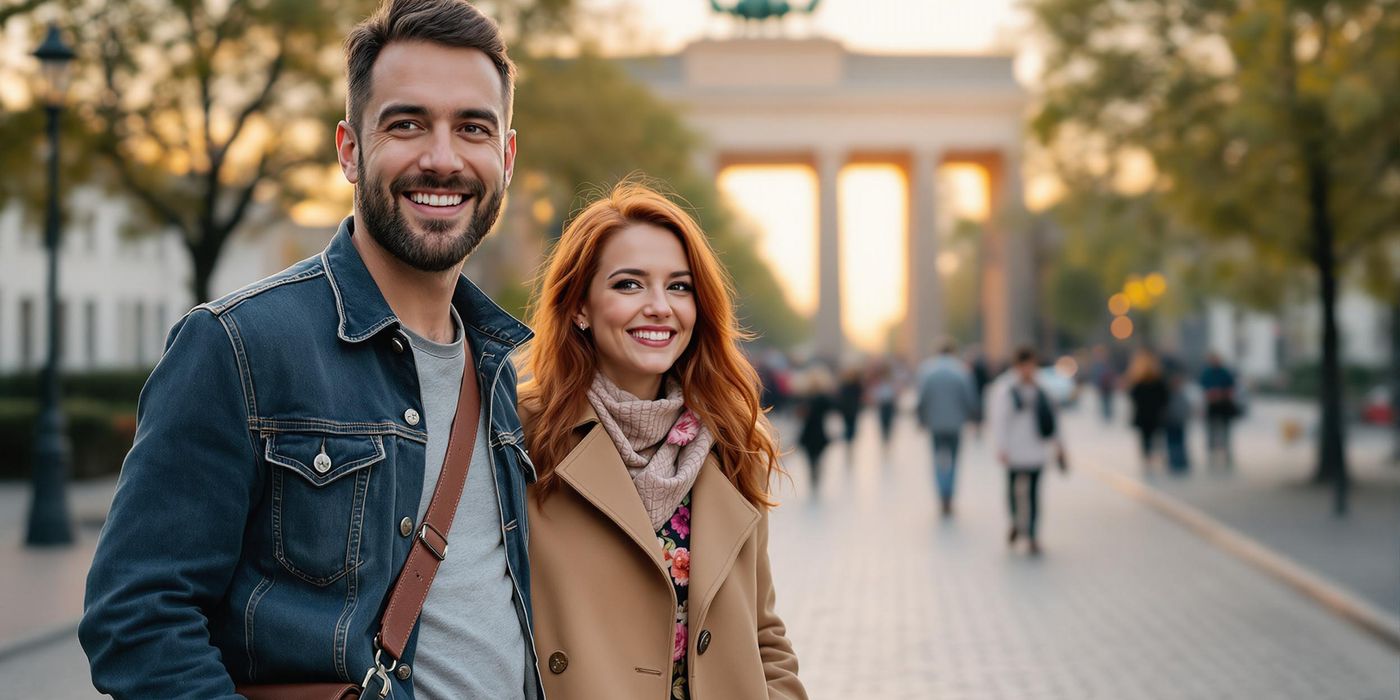
As a software developer, I appreciate efficiency and precision. When I travel with my wife, Lena, I want to capture the essence of our experiences without spending hours fiddling with equipment. Over the years, I've learned a few tricks to take better photos, whether you're using a smartphone or a dedicated camera. Here are some tips I've found helpful for capturing those travel memories.
Understanding Your Camera: Beyond Auto Mode
Let's face it, most of us start with the auto mode. There's nothing wrong with that, but you'll unlock so much more potential by understanding a few basic settings. Whether you're using your smartphone, a DSLR, or a mirrorless camera, the principles are the same.
- Smartphones are incredibly convenient, but their small sensors can struggle in low light. Learn how to use the manual mode (if your phone has one) or download a camera app that gives you more control.
- DSLRs and mirrorless cameras offer more flexibility. Aperture controls the depth of field – how much of the image is in focus. A wide aperture (e.g., f/1.8) creates a shallow depth of field, blurring the background and highlighting your subject. Shutter speed determines how long the camera's sensor is exposed to light. Faster speeds freeze motion, while slower speeds allow more light in, but can result in blur if you're not steady. ISO measures the sensitivity of the sensor to light. Lower ISOs produce cleaner images, while higher ISOs are useful in low light but can introduce noise (grain).
- Experiment with these settings in different scenarios. For landscapes, use a narrow aperture (e.g., f/8 or f/11) to get everything in focus. For portraits, use a wide aperture to blur the background. In low light, increase the ISO, but be mindful of the noise.
- Depth of field is a powerful tool. Use it to draw attention to your subject or to create a sense of depth in your photos.
The Golden Hour and Blue Hour: Harnessing Natural Light
Light is everything in photography. The golden hour (the hour after sunrise and the hour before sunset) and the blue hour (the period of twilight just before sunrise and after sunset) offer the most beautiful, soft light. These times are ideal for capturing stunning landscapes and portraits.
- Plan your shoots around these times. Use a weather app or website to find out when the golden hour and blue hour will occur in your location.
- During the golden hour, the warm, soft light creates a magical atmosphere. Position yourself so that the sun is behind your subject to create a silhouette, or use the light to highlight textures and colors.
- The blue hour provides a cool, calming light. It's perfect for capturing cityscapes and landscapes with a touch of mystery.
- Even on cloudy or overcast days, you can use natural light to your advantage. The soft, diffused light is great for portraits, as it minimizes harsh shadows. Reflectors and diffusers can help you manipulate natural light, bouncing it onto your subject or softening it further.
Composition Techniques: Framing the Perfect Shot
Composition is how you arrange the elements in your photo. A well-composed photo is visually appealing and draws the viewer's eye to the subject.
- The Rule of Thirds is a basic but effective guideline. Imagine dividing your frame into nine equal parts with two horizontal and two vertical lines. Place your subject at one of the intersections of these lines, or along one of the lines themselves. This creates a more balanced and interesting composition.
- Leading lines can guide the viewer's eye through the photo. Use roads, rivers, fences, or other lines to lead the eye to your subject.
- Symmetry and patterns can be visually appealing. Look for symmetrical buildings, repeating patterns in nature, or other instances of symmetry and capture them from a unique angle.
- Framing involves using elements in the foreground to frame your subject. This can add depth and context to your photo. For example, you could frame a mountain with trees or a building with an archway.
Capturing the Essence of a Destination: Storytelling Through Images
Travel photography is about more than just taking pretty pictures. It's about capturing the essence of a place and telling a story through your images. I try to remember this when travelling with Lena.
- Focus on the details. Capture local life, street scenes, and cultural elements. Photograph the food, the architecture, the people, and the everyday moments that make a place unique.
- When photographing people, be respectful and authentic. Ask for permission before taking someone's photo, and try to capture their personality and spirit. A genuine smile is worth more than a perfectly posed shot.
- Document your journey. Capture candid moments and personal experiences. These are the photos that will remind you of your travels and the memories you made.
- Research the cultural context of your destination. Understanding the history, customs, and traditions of a place will help you take more meaningful and respectful photos.
Essential Gear for Travel Photography: What to Pack
The gear you need will depend on your budget and your style of photography. But here are a few essentials to consider:
- Camera and lenses: If you're using a smartphone, make sure it has a good camera. If you're using a DSLR or mirrorless camera, choose lenses that are versatile and cover a range of focal lengths. A wide-angle lens is great for landscapes, while a telephoto lens is useful for wildlife and portraits.
- Tripod: A tripod is essential for landscape and low-light photography. It will help you keep your camera steady and avoid blur.
- Filters: Polarizing filters reduce glare and reflections, while ND filters allow you to use slower shutter speeds in bright light. These can be particularly useful for landscape photography.
- Extra batteries and memory cards: You don't want to run out of power or storage in the middle of a shoot. Bring extra batteries and memory cards, just in case.
Post-Processing Essentials: Enhancing Your Photos
Post-processing is the final step in the photography process. It's where you can enhance your photos and bring out their full potential. Lena, with her graphic design background, often helps me with this.
- There are many photo editing software programs available, from Lightroom and Photoshop to mobile apps like Snapseed and VSCO. Choose one that suits your needs and budget.
- Basic editing techniques include adjusting exposure, contrast, and white balance. These adjustments can make a big difference in the overall look and feel of your photos.
- Color correction and saturation can enhance the mood and atmosphere of your photos. Experiment with different color palettes to see what works best.
- Cropping and straightening can fine-tune your composition. Crop out distracting elements and straighten horizons to create a more polished look.
- The key to good post-processing is subtlety. Avoid over-processing your photos, as this can make them look unnatural. The goal is to enhance your photos, not to transform them beyond recognition.
Improve your travel photography with practical tips on composition, lighting, and camera settings. Capture stunning photos of your journeys.