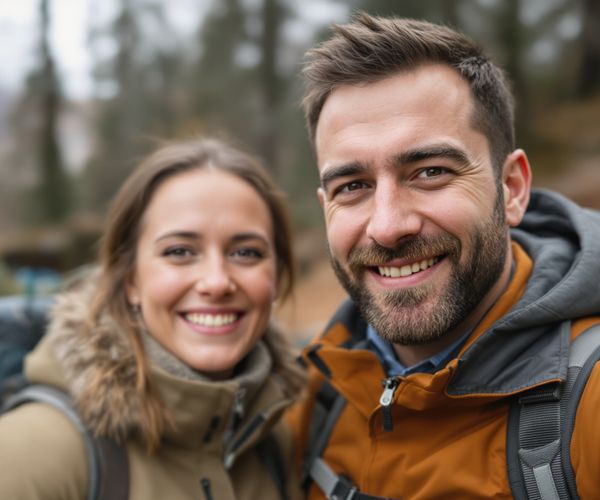
Living in Berlin, I'm always looking for a quick escape into nature. Hiking offers that perfect blend of physical activity and mental rejuvenation. Over the years, Lena and I have learned a thing or two about preparing for these adventures, ensuring we stay safe, comfortable, and respectful of the environment. Let me share some insights to help you gear up for your next trek.
Essential Gear for a Safe and Enjoyable Hike
Choosing the right gear can make or break your hiking experience. It's not just about comfort; it's about safety and preparedness for unexpected situations.
- Hiking Boots: Invest in sturdy hiking boots with good ankle support and slip-resistant soles. Proper footwear prevents injuries and makes navigating rough terrain much easier.
- Moisture-Wicking Socks: Opt for moisture-wicking socks to keep your feet dry and prevent blisters. Consider liner socks for added comfort on longer hikes.
- Layered Clothing: Dress in layers to adapt to changing weather conditions. A waterproof and windproof outer layer is essential, especially in the mountains.
- First-Aid Kit: Carry a well-stocked first-aid kit with blister plasters, antiseptic wipes, pain relievers, and compression bandages. Knowing how to use it is just as important.
- Navigation Tools: A map, compass, and GPS device or app are crucial for staying on course. Ensure you know how to use them before heading out.
- Headlamp or Flashlight: Pack a headlamp or flashlight with extra batteries for unexpected delays or night hiking. It’s a small item that can make a big difference.
- Water and Snacks: Always carry sufficient water and high-energy snacks to stay hydrated and fueled throughout the hike. Proper nutrition keeps you going.
Planning Your Route: Research and Preparation
Thorough planning is key to a successful and safe hike. Don't just pick a trail and go; do your homework.
- Trail Research: Use apps and online resources to research trails, understand difficulty levels, terrain, and potential hazards. Komoot and Outdooractive are great resources here in Germany.
- Weather Forecasts: Check weather forecasts before the hike and be prepared for sudden changes, especially in mountain weather. The Alps can be unpredictable.
- Inform Someone: Inform someone about your hiking plans, including the route and expected return time. This is crucial for safety.
- Detailed Itinerary: Plan a detailed itinerary with alternative routes and emergency exit points. Flexibility is important.
- Time Control Plan: Create a time control plan, considering the group's fitness level and adding extra time for elevation gain. Better to be safe than sorry.
Staying Safe on the Trails: Awareness and Prevention
Safety should always be your top priority when hiking. Being aware of potential hazards and taking preventive measures can significantly reduce risks.
- Hike with Others: Hike with at least one other person for mutual support and faster help in emergencies. It's also more enjoyable.
- Stay on Marked Trails: Stay on marked trails to avoid getting lost and protect fragile ecosystems. Wandering off-trail can be dangerous.
- Recognize Hazards: Recognize and avoid potential hazards such as steep or slippery sections and unstable rocks. Pay attention to your surroundings.
- Take Regular Breaks: Take regular breaks to prevent fatigue and potential injuries. Rest and refuel.
- Distress Signals: Know the alpine distress signal and other methods for calling for help in an emergency. Being prepared can save lives.
- Stay Calm: Stay calm and remember the 'three stays': stay dry, stay warm, and stay put if lost. Panic can worsen the situation.
Hiking Sustainably: Minimizing Your Environmental Impact
As hikers, we have a responsibility to protect the natural environment we enjoy. Sustainable hiking practices ensure that future generations can experience the same beauty.
- Leave No Trace Principles: Understand and practice the Leave No Trace principles. It’s a simple yet effective way to minimize your impact.
- Pack Out All Waste: Pack out all waste, including food scraps and wrappers, to avoid disrupting local ecosystems. Leave nothing behind.
- Stick to Established Trails: Stick to established trails and avoid creating new paths. This protects vegetation and prevents erosion.
- Respect Wildlife: Respect wildlife by keeping a safe distance and not feeding animals. Observe from afar.
- Use Biodegradable Soap: Use biodegradable soap and minimize water usage when washing. Protect water sources.
- Eco-Friendly Gear: Choose eco-friendly gear made from recycled or sustainable materials. Support companies that prioritize sustainability.
- Carpool or Public Transport: Carpool or use public transportation to reduce carbon emissions. Consider the environmental impact of your travel.
Gear up for your next hiking adventure with tips on choosing the right equipment, planning routes, and staying safe on the trails.