Europe, a continent steeped in history and brimming with diverse cultures, offers endless opportunities for exploration. My wife, Lena, and I have always sought authentic experiences that go beyond the typical tourist traps. We believe that truly understanding a place means immersing yourself in its local customs, traditions, and communities. Join me as I share some tips on how to discover the real heart of Europe.
Embracing Local Festivals and Celebrations
One of the best ways to dive headfirst into a culture is by attending local festivals. These events are a vibrant display of tradition, community spirit, and unadulterated fun. Forget the generic tourist events; I'm talking about the quirky, lesser-known celebrations that truly capture the essence of a place. For example, have you ever heard of the Carnival of Ivrea in Italy? It's a wild, orange-throwing battle that symbolizes the town's rebellion against a tyrannical ruler. Or La Patum de Berga in Spain, a Corpus Christi festival featuring mythical figures, fire, and acrobatic performances. And who could forget Midsummer in Dalarna, Sweden, where locals don traditional costumes and dance around a maypole to celebrate the summer solstice?
Finding these hidden gems requires a bit of research. Start by checking local events calendars and tourism websites. Don't be afraid to venture off the beaten path and ask locals for recommendations. Connecting with local communities through social media groups or online forums can also provide valuable insights. Remember, the key is to be open-minded and willing to participate. Lena and I once stumbled upon a small village festival in the Czech Republic, my home country, where we were immediately welcomed with open arms. We danced to traditional music, sampled local delicacies, and learned about the region's history from the villagers themselves. It was an unforgettable experience that truly enriched our understanding of Czech culture. I would also recommend festivals such as Krampusnacht in Austria and Germany; they are quite the spectacle.
Discovering Traditional Crafts and Artisan Workshops
Delving into traditional crafts is another fantastic way to connect with a region's history and cultural identity. These crafts, passed down through generations, often reflect the unique resources and skills of a particular area. Instead of buying mass-produced souvenirs, seek out villages and workshops where artisans still practice their trades. In Albania, Gjirokastër is known for its stone houses and skilled stonemasons. In Bulgaria, Koprivshtitsa is a charming town with a rich tradition of weaving and embroidery.
Consider taking a hands-on workshop to learn about these crafts directly from the artisans. Many workshops offer introductory classes where you can try your hand at pottery, weaving, woodworking, or lacemaking. Not only will you gain a new skill, but you'll also develop a deeper appreciation for the artistry and dedication involved. Supporting local artisans is crucial for preserving these traditions. By purchasing their products and promoting their work, you're helping to ensure that these crafts continue to thrive for generations to come. Some specific crafts I would suggest looking into are Horezu pottery in Romania, Zmijanje embroidery in Bosnia and Herzegovina, or Czech glassmaking.
Connecting with Locals Through Food and Drink
Food and drink are integral parts of European culture. Sharing a meal is often a social experience, a way to connect with others and celebrate life. Skip the touristy restaurants and head straight to local markets, family-run eateries, and traditional pubs. Sample regional specialties, try new flavors, and don't be afraid to ask locals for recommendations. Taking a cooking class or food tour is another excellent way to learn about local ingredients and culinary techniques. Lena and I once took a pasta-making class in Italy, and it was not only delicious but also a great opportunity to chat with the chef and learn about his family's history.
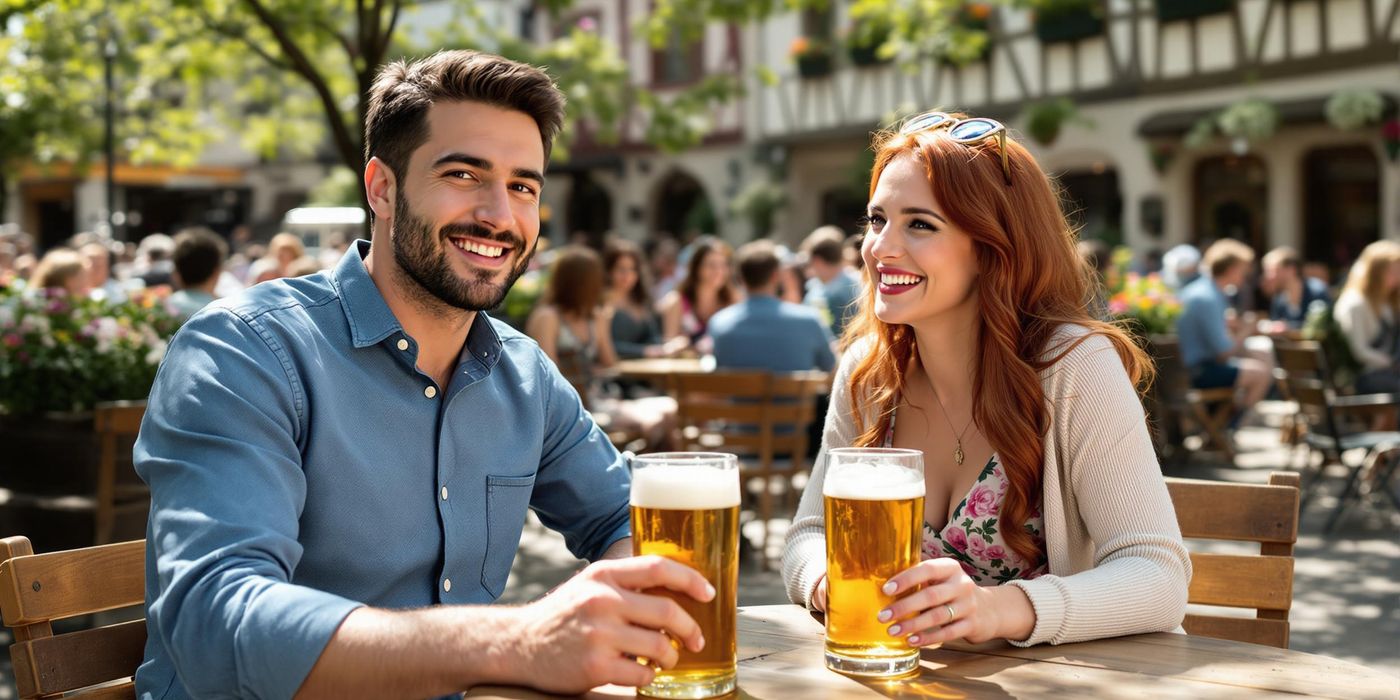
One of my personal hobbies is visiting local breweries and beer gardens. I find that it's a fantastic way to connect with the local culture and learn about the brewing traditions of a particular region. In Germany, for example, each region has its own unique beer styles and brewing methods. Engaging in conversations with locals while enjoying food and drink experiences can lead to unexpected friendships and cultural insights. Don't be afraid to strike up a conversation with the person next to you at the bar or ask your waiter about their favorite local dish. Portugal also offers some fantastic gastronomic experiences. Consider exploring the Douro Valley, known for its port wine production, or sipping ginjinha, a traditional cherry liqueur, in Lisbon.
Exploring Historical Sites Beyond the Tourist Trail
Europe is packed with historical sites, but many of the most popular ones are overrun with tourists. To gain a deeper understanding of Europe's past, venture off the beaten path and explore lesser-known historical landmarks. Plovdiv in Bulgaria, for example, is one of the oldest continuously inhabited cities in Europe, with ruins dating back to the Thracian era. The Faroe Islands, a remote archipelago in the North Atlantic, boast stunning landscapes and a rich Viking history. Before visiting these sites, take the time to research their history and significance. Understanding the cultural context will enhance your appreciation for these locations. During a trip to Spain, Lena and I were captivated by the Moorish palaces, which offer a glimpse into the country's rich Islamic heritage.
Engaging in Cultural Exchange and Learning Opportunities
For a truly immersive experience, consider participating in cultural exchange programs, language courses, or volunteer opportunities. These activities allow you to connect with locals on a deeper level and learn about their way of life from the inside. Staying in local accommodations, such as guesthouses or family-run hotels, can also provide opportunities to interact with hosts and experience local hospitality. Learning a few basic phrases in the local language is a sign of respect and can greatly enhance your interactions with locals. Even a simple hello or thank you can go a long way.
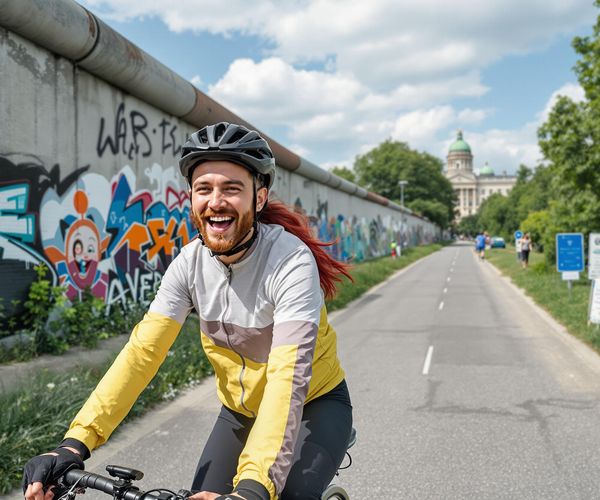
Lena and I have participated in several cultural exchange programs over the years, and they have always been incredibly rewarding. We've learned so much about different cultures, made lifelong friends, and gained a new perspective on the world. Even attending cultural events and festivals in Berlin, my current city, is a great way to engage with European culture. There's always something happening, from traditional German markets to international film festivals. By embracing these opportunities, you can create meaningful connections and deepen your understanding of European culture.
Discover authentic European experiences beyond the tourist traps. Explore local festivals, traditional crafts, and connect with locals through food and cultural exchange.