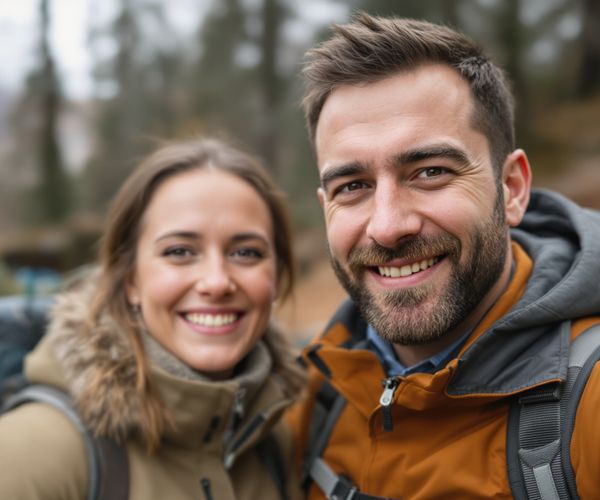
Have you ever felt rushed on a trip, trying to cram in as many sights as possible? What if I told you there's a better way? Lena and I discovered the joys of slow travel a few years ago, and it's completely transformed how we experience the world. It's not just about ticking off destinations; it's about truly connecting with a place and its people.
What is Slow Travel?
Slow travel is more than just a leisurely vacation; it's a philosophy. At its core, it's about intentionality and connection. It's about savoring the journey, not just rushing to the destination. Think of it as the travel equivalent of the slow food movement – a deliberate choice to appreciate quality over quantity.
The slow travel movement actually draws inspiration from the slow food movement, which began in Italy in the 1980s as a protest against fast food. Similarly, slow travel emerged as a reaction against the frenetic pace of modern tourism, where travelers often prioritize seeing as many attractions as possible in the shortest amount of time.
Unlike conventional tourism, which often involves whirlwind tours and superficial interactions, slow travel encourages a deeper, more meaningful engagement with a destination. It's about taking the time to understand the local culture, connect with the community, and appreciate the natural environment.
For me, slow travel is about being present and curious. It's about asking questions, trying new things, and letting the unexpected moments shape your experience. It's about embracing the unknown and finding joy in the simple things, like a quiet morning in a local cafe or a friendly conversation with a shopkeeper.
The Benefits of Slowing Down
The benefits of slow travel extend far beyond simply avoiding the stress of rushing. Lena and I have found that it has a profound impact on our emotional and mental well-being. By slowing down, we're able to truly relax and recharge, leaving behind the pressures of daily life.
Culturally, slow travel allows for a much deeper immersion. When you spend more time in one place, you have the opportunity to learn about local traditions, customs, and ways of life. You can attend local festivals, take cooking classes, or simply spend time chatting with residents. These experiences create a richer, more authentic understanding of the culture.
There are also significant economic advantages to slow travel. By supporting local businesses – family-run restaurants, independent shops, and locally owned accommodations – you're directly contributing to the community's well-being. This approach to tourism helps to ensure that the benefits of travel are shared more equitably.
And let's not forget the environmental benefits. Slow travel often involves choosing slower modes of transportation, such as trains or buses, which have a lower carbon footprint than flying. By staying in one place longer, you also reduce your overall travel-related emissions. For Lena and me, who are increasingly conscious of our environmental impact, this is a significant draw.
Embracing Local Life: Tips for Meaningful Immersion
So, how do you actually embrace slow travel? Here are a few tips that Lena and I have found helpful:
- Stay in one place longer. Instead of trying to see five cities in a week, choose one city and spend the entire week there. This will give you time to explore the city in depth and get a feel for the local rhythm.
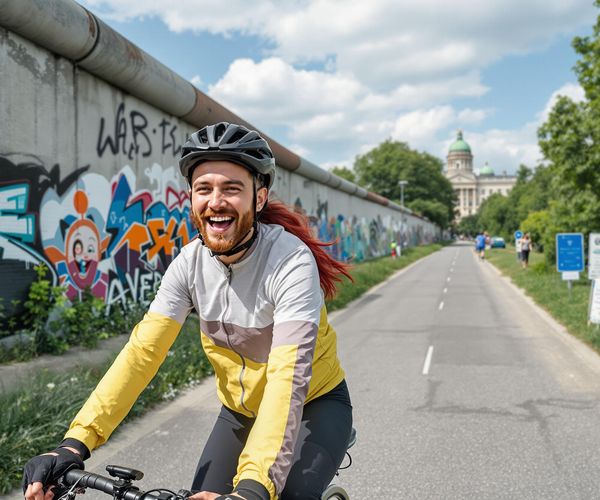
- Use local transportation. Take the train, bus, or bicycle instead of renting a car. This will not only reduce your carbon footprint but also give you a chance to see the countryside and interact with locals.
- Engage with locals. Strike up conversations with people you meet – in cafes, markets, or on the street. Ask for recommendations and be open to new experiences.
- Try local cuisine. Eat at family-run restaurants and try regional specialties. Take a cooking class to learn how to prepare local dishes.
- Participate in local traditions and festivals. Attend a local festival, visit a traditional market, or take part in a community event.
For example, during our trip to Italy, we spent a week in a small village in Tuscany. We rented a car, but we mostly used it to explore the surrounding countryside. We spent our days wandering through vineyards, visiting local farms, and chatting with the villagers. We learned how to make pasta from scratch and even helped with the grape harvest. It was an incredibly enriching experience that we would never have had if we had been rushing from city to city.
Finding Hidden Gems: Off the Beaten Path
One of the greatest joys of slow travel is discovering hidden gems that you would never find on a typical tourist itinerary. These are the places that offer a glimpse into the authentic heart of a destination.
Look beyond the popular tourist attractions and explore local parks, museums, and historical sites. These places often offer a deeper understanding of the area's history and culture. Chat with locals and ask for their recommendations. They can often point you to hidden gems that you won't find in any guidebook. Lena and I once stumbled upon a hidden Roman amphitheater in France simply by asking a local shopkeeper for suggestions.
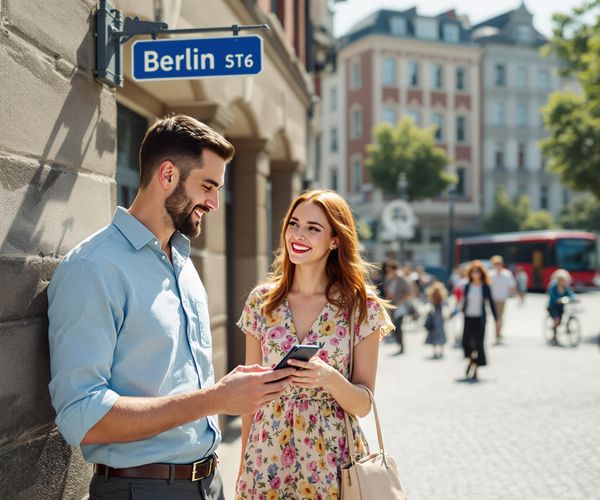
During our travels through Europe, we've made it a point to seek out these off-the-beaten-path destinations. In Prague, we wandered through the charming streets of the Lesser Town, discovering hidden courtyards and gardens. In Berlin, we explored the abandoned Teufelsberg listening station, a relic of the Cold War with panoramic views of the city.
Mindful Travel: Connecting with the Present
Ultimately, slow travel is about being present in the moment and savoring each experience. It's about disconnecting from the distractions of modern life and fully engaging with your surroundings.
One way to enhance mindfulness during travel is to practice activities like journaling, photography, or meditation. Take a few minutes each day to write down your thoughts and observations. Capture the beauty of your surroundings through photography. Or simply find a quiet spot to meditate and connect with your inner self.
It's also important to disconnect from technology and social media. While I appreciate technology, especially for planning and navigation, I also recognize the importance of balance. Put away your phone and focus on the present moment. Engage with the people around you and truly experience the world with all your senses.
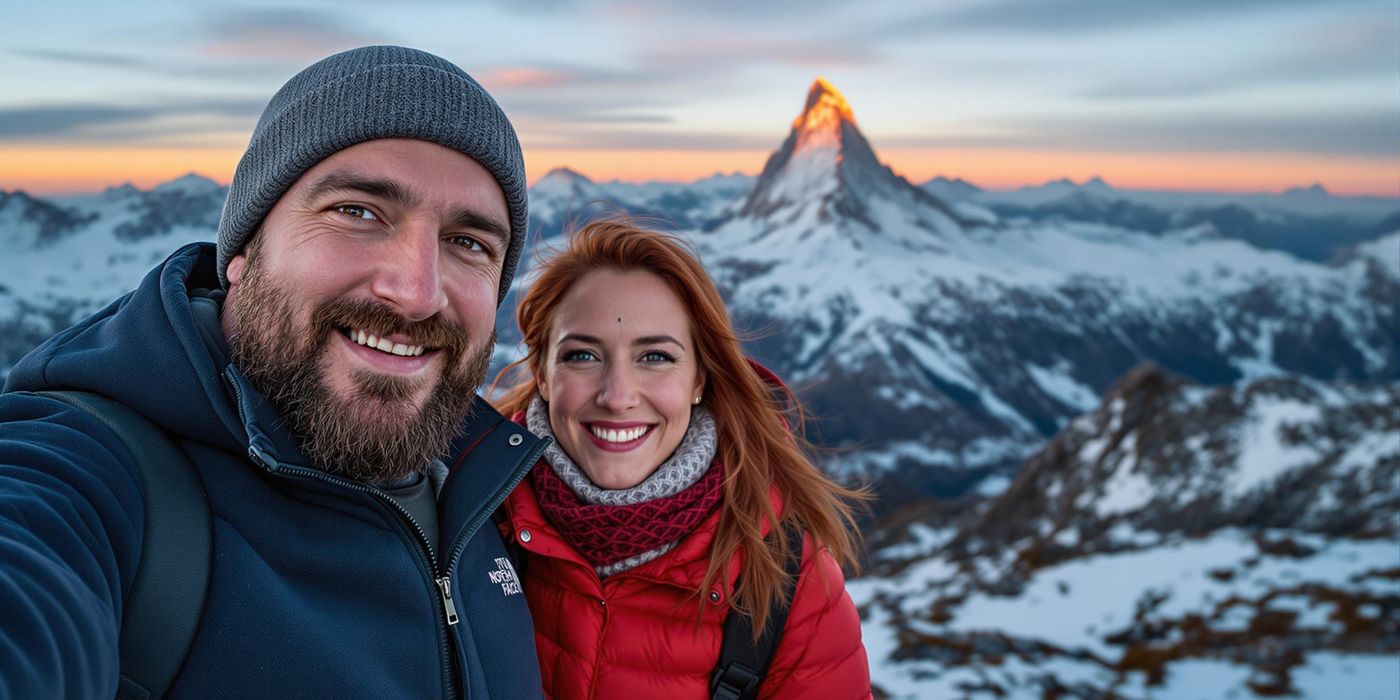
I remember one particular sunrise we watched in the Swiss Alps. We had hiked up to a mountain peak before dawn and waited in the cold for the sun to appear. As the first rays of light illuminated the snow-capped peaks, I felt an overwhelming sense of peace and gratitude. It was a moment that I will never forget, and it wouldn't have been possible if I had been distracted by my phone or social media.
Discover the benefits of slow travel and how taking your time can lead to more meaningful and enriching travel experiences. Learn to connect with local cultures and environments.