Hello fellow travelers! Jan here, ready to share my passion for capturing the world through a lens. Over the years, I've learned a thing or two about travel photography, from navigating bustling markets to framing serene landscapes. Whether you're just starting out or looking to refine your skills, this guide is packed with practical tips and personal anecdotes to help you elevate your travel photos.
Choosing the Right Camera for Your Trip
Selecting the right camera is the first step in your travel photography journey. The market offers a plethora of options, each with its own set of advantages and disadvantages. Let's explore some popular choices:
- Mirrorless Cameras: These cameras, like the Sony a7CR, offer excellent image quality and versatility in a compact body. They are a fantastic choice for serious enthusiasts who want professional-grade results without the bulk of a DSLR.
- Point-and-Shoot Cameras: For travelers prioritizing portability and ease of use, point-and-shoot cameras such as the Canon PowerShot G7 X Mark II or Mark III are excellent options. They are lightweight, easy to operate, and still deliver impressive image quality for their size.
- Smartphones: Don't underestimate the power of your smartphone! Modern smartphones boast impressive camera capabilities and are incredibly convenient for capturing spontaneous moments. They're perfect for casual photographers who want to travel light.
Personally, I've found my Sony a7CR to be the perfect companion for my travels. Its full-frame sensor captures stunning detail, and the interchangeable lens system allows me to adapt to various shooting scenarios. I usually pair it with a versatile zoom lens like the Sony 24-105mm f/4 for landscapes and street photography, and a fast prime lens like the Sony 35mm f/1.8 for portraits and low-light situations.
Mastering Composition Techniques
Composition is the art of arranging elements within your frame to create visually appealing and engaging images. Here are a few fundamental techniques to keep in mind:
- Rule of Thirds: Imagine dividing your frame into nine equal parts with two horizontal and two vertical lines. Place key elements of your scene along these lines or at their intersections to create a balanced and dynamic composition.
- Leading Lines: Use lines to guide the viewer's eye through the image and towards your subject. Roads, rivers, and fences can all serve as effective leading lines.
- Symmetry: Look for symmetrical scenes, such as reflections in water or architectural details, to create a sense of balance and harmony.
- Framing: Use elements within your scene, such as trees, arches, or doorways, to frame your subject and draw attention to it.
Remember to pay attention to the foreground, midground, and background of your shots. A well-composed image should have depth and dimension, with interesting elements in each layer. Don't be afraid to experiment with different perspectives and angles to find the most compelling composition.
Capturing the Essence of Local Culture
Travel photography is more than just documenting places; it's about telling stories. When photographing a new culture, strive to capture the essence of the people, their traditions, and their way of life.
- Respect Local Customs: Always be mindful of local customs and traditions when photographing people. Ask for permission before taking someone's picture, and be respectful of their wishes if they decline.
- Focus on Details: Pay attention to the small details that convey the atmosphere and character of a place. Street scenes, local markets, and cultural events offer a wealth of opportunities to capture authentic moments.
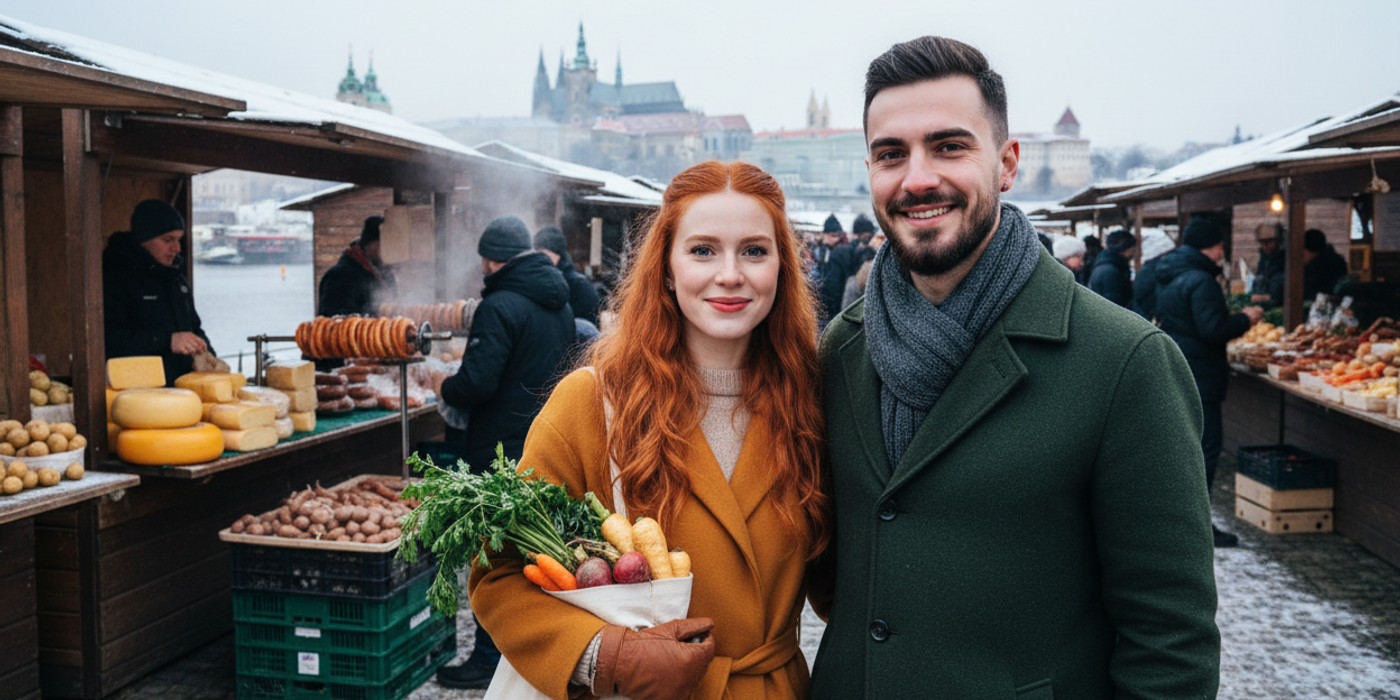
During a trip to a small village in the Czech Republic, I spent a morning photographing the local farmers at the market. I focused on capturing their weathered faces, their calloused hands, and the colorful produce they were selling. These images, more than any landscape shot, truly captured the spirit of the village.
Working with Light and Shadow
Light is the lifeblood of photography. Understanding how light affects your images is crucial for creating compelling travel photos. Here are some tips to consider:
- Golden Hour: The hour after sunrise and the hour before sunset, known as the golden hour, offer warm, soft light that is ideal for photography.
- Blue Hour: The hour after sunset and the hour before sunrise, known as the blue hour, provide cool, soft light that is perfect for capturing cityscapes and landscapes.
- Midday Sun: Avoid shooting in direct midday sun if possible, as it can create harsh shadows and washed-out colors. If you must shoot during this time, look for shaded areas or use a diffuser to soften the light.
Observe how light interacts with landscapes and architecture to create compelling images. Look for interesting shadows, highlights, and reflections to add depth and dimension to your photos.
Essential Photo Editing Techniques
Photo editing is an essential part of the travel photography workflow. It allows you to enhance your images, correct imperfections, and create a consistent style. Here are some popular software options:
- Adobe Lightroom: A comprehensive photo editing software with a wide range of tools and features.
- Luminar Neo: An AI-powered photo editor that simplifies complex editing tasks.
- Capture One: A professional-grade photo editor known for its exceptional color handling.
Start with basic adjustments such as exposure, contrast, color balance, and sharpness. Avoid over-editing your photos, as this can make them look unnatural. Develop a consistent editing style that reflects your personal aesthetic. My workflow involves importing my photos into Lightroom, making basic adjustments, and then using a few custom presets to achieve a consistent look. I also use Photoshop for more complex edits, such as removing distractions or compositing images.
Learn how to take amazing travel photos with Jan Kovar's expert tips! From camera choices to editing, capture your adventures like a pro.