As a librarian specializing in Arctic and Nordic literature, I've always been drawn to the serene beauty of nature. Living in Finland, with its breathtaking landscapes, has only deepened my passion for capturing these moments through photography. Whether you're an amateur or an enthusiast, these tips will help you elevate your nature photography game.
Embracing the Golden Hour: Light as Your Greatest Ally
Light is the soul of photography, and in nature photography, it's your greatest ally. The golden hour, the period shortly after sunrise and before sunset, offers a soft, warm light that can transform an ordinary scene into something magical. I've spent countless mornings and evenings waiting for the perfect light to hit the Finnish landscapes, and the results are always worth it.
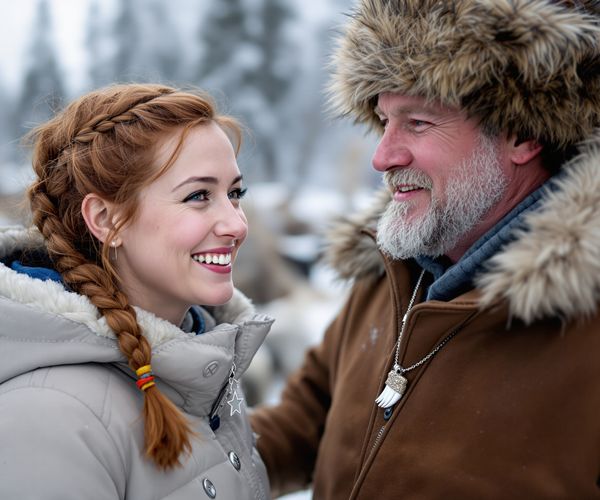
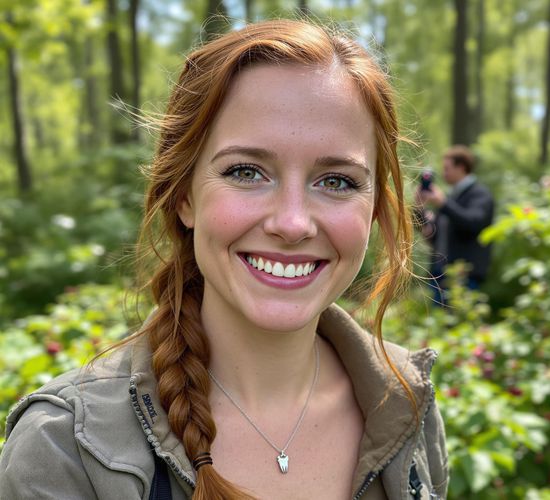
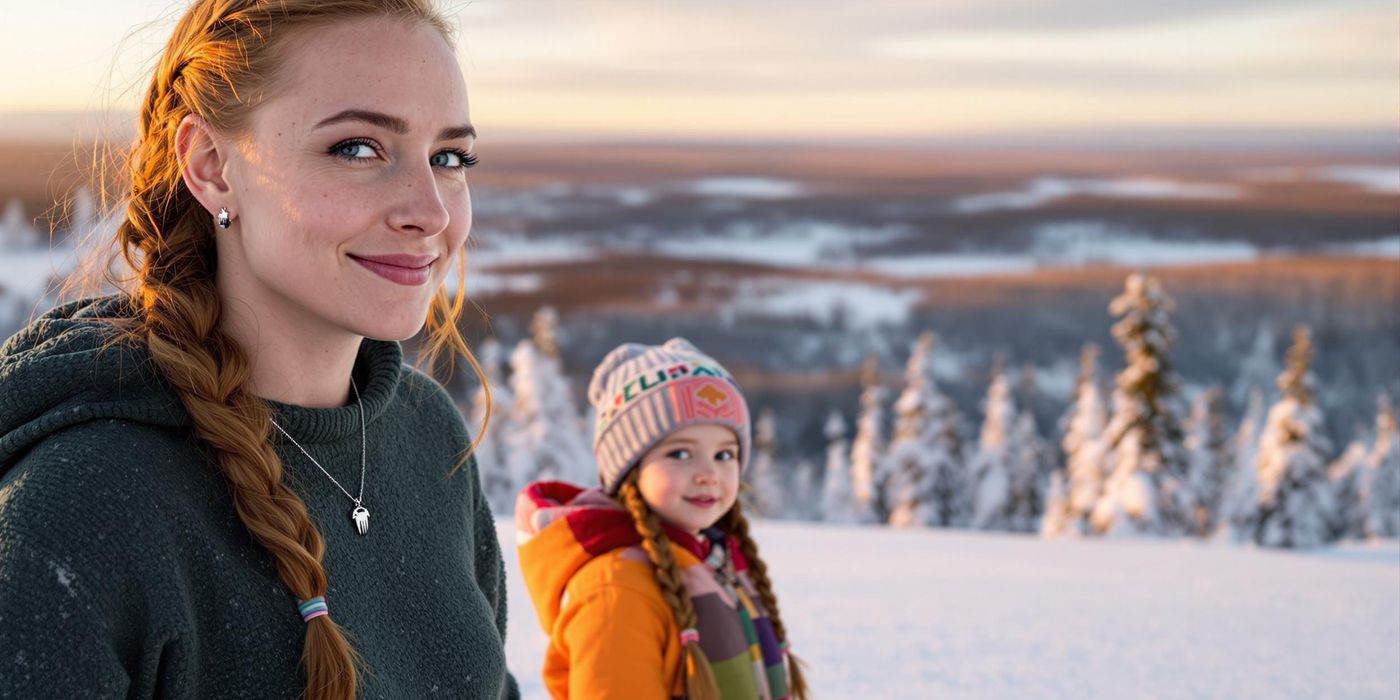
Planning is key. I use online tools and apps to track sunrise and sunset times, ensuring I'm in the right place at the right moment. The anticipation as the sky begins to glow is a unique thrill. I remember one particular morning in Lapland, the snow-covered fells bathed in a golden hue, creating a scene so breathtaking I almost forgot to take the photo! {image1}
Composition Techniques: Framing Nature's Masterpieces
Composition is how you arrange the elements within your frame to create a visually appealing image. One of the most well-known techniques is the Rule of Thirds. Imagine your frame divided into nine equal parts by two horizontal and two vertical lines. Placing key elements along these lines or at their intersections can create a more balanced and engaging composition.
Leading lines are another powerful tool. Use natural lines, such as rivers, paths, or even rows of trees, to guide the viewer's eye through the image and towards your subject. Foreground elements, like rocks, flowers, or interesting textures, can add depth and interest to your photos. In Nuuksio National Park, I often use the reflections in the lakes as a foreground element, creating a sense of symmetry and tranquility. {image2}
Essential Gear: What to Pack for a Nature Photography Outing
While a great eye is essential, having the right gear can make a significant difference. A good camera and lenses are the foundation of any photography kit. For landscapes, a wide-angle lens is invaluable for capturing expansive vistas. For wildlife, a telephoto lens allows you to get close to your subjects without disturbing them.
A sturdy tripod is a must-have, especially for low-light conditions or when using long exposures. I also recommend investing in filters, such as a polarizing filter to reduce glare and enhance colors, and an ND (neutral density) filter to allow for longer exposures in bright light. A remote shutter release can also help minimize camera shake. Personally, I'm a big fan of my trusty Nikon D850 paired with a 24-70mm lens for most landscape shots and a 70-300mm for wildlife. {image3}
Camera Settings: Mastering the Basics
Understanding your camera settings is crucial for capturing the best possible images. For landscape photography, I typically shoot in RAW format to retain maximum detail. I prefer using manual mode or aperture priority mode, which allows me to control the depth of field. A low ISO setting (e.g., 100) will minimize noise in your images, and an appropriate aperture (e.g., f/8 to f/16) will ensure sharpness throughout the scene.
Shutter speed is another important setting to consider. A fast shutter speed will freeze motion, while a slow shutter speed can blur motion, creating a sense of movement. When photographing waterfalls, for example, I often use a slow shutter speed to create a silky smooth effect. Focusing is also critical. Use manual focus or single-point autofocus to ensure your subject is sharp. When shooting snowy landscapes, be mindful of overexposure; dialing in some negative exposure compensation often helps. {image4}
Finding the Unique Angle: Perspective and Creativity
Don't be afraid to experiment with different perspectives and angles. Get down low to the ground, climb to a high vantage point, or look for unusual viewpoints. Sometimes, the most ordinary scene can be transformed into something extraordinary simply by changing your perspective.
Patience and observation are key. Take your time to explore your surroundings and look for details and patterns that might go unnoticed. I often find myself drawn to the intricate patterns of frost on leaves or the way sunlight filters through the trees. In Finland, I've captured some of my most creative shots by simply looking up while walking through the forest, discovering the beauty of the canopy above. {image5}
Capture the beauty of nature with these photography tips from an outdoor enthusiast. Learn about lighting, composition, gear, camera settings, and finding unique angles.