As a librarian specializing in Arctic and Nordic literature and a mom to a curious 12-year-old, Aino, I've learned that travel isn't just about seeing new places; it's about experiencing them, especially when you're traveling with kids. Engaging with local cultures turns a simple vacation into a rich, educational adventure that creates lasting memories. So, how do we, as parents, transform our family trips into opportunities for cultural immersion? Let's explore some ideas!
Setting the Stage: Why Cultural Immersion Matters
From my own experiences and observations, exposing children to different cultures from a young age offers invaluable benefits. It broadens their perspectives, fosters empathy, and encourages a deeper understanding of the world around them. When Aino was younger, even simple interactions with people from different backgrounds sparked insightful questions and a genuine interest in learning more. Cultural activities enhance learning by providing context and making history, traditions, and social norms tangible. These experiences create lasting memories, far more vivid and impactful than anything they might read in a book. Planning and preparation are key to ensuring a smooth and enriching experience for the whole family. Researching local customs, learning a few basic phrases, and packing appropriately can make a significant difference in how well you connect with the local culture.
Museums: More Than Just Glass Cases
Museums often get a bad rap with kids, but they don't have to be boring! The trick is to make the visit interactive and engaging. Scavenger hunts are a great way to keep children interested, turning the museum into a playful exploration. Many museums now offer interactive exhibits specifically designed for children, allowing them to touch, experiment, and learn through play. Consider visiting science museums, which often have hands-on displays, or history museums that bring the past to life with engaging exhibits.
I remember visiting the Siida Sámi Museum in Inari, Finland, with Aino. The interactive displays, where she could try on traditional clothing and learn about reindeer herding through a simulated experience, truly brought the Sámi culture to life for her. Instead of just reading about it, she was able to experience it, making a much more profound and lasting impression.
Festivals and Celebrations: Experiencing Culture First-Hand
Festivals are incredibly appealing to children. The vibrant colors, lively music, and unique traditions create an atmosphere of excitement and wonder. They offer a fantastic opportunity to experience culture first-hand. Look for family-friendly festivals around the world that showcase local traditions. In Finland, Midsummer (Juhannus) is a particularly special time, with bonfires, traditional games, and festive gatherings. Local harvest festivals are also wonderful, celebrating the bounty of the season with food, music, and crafts.
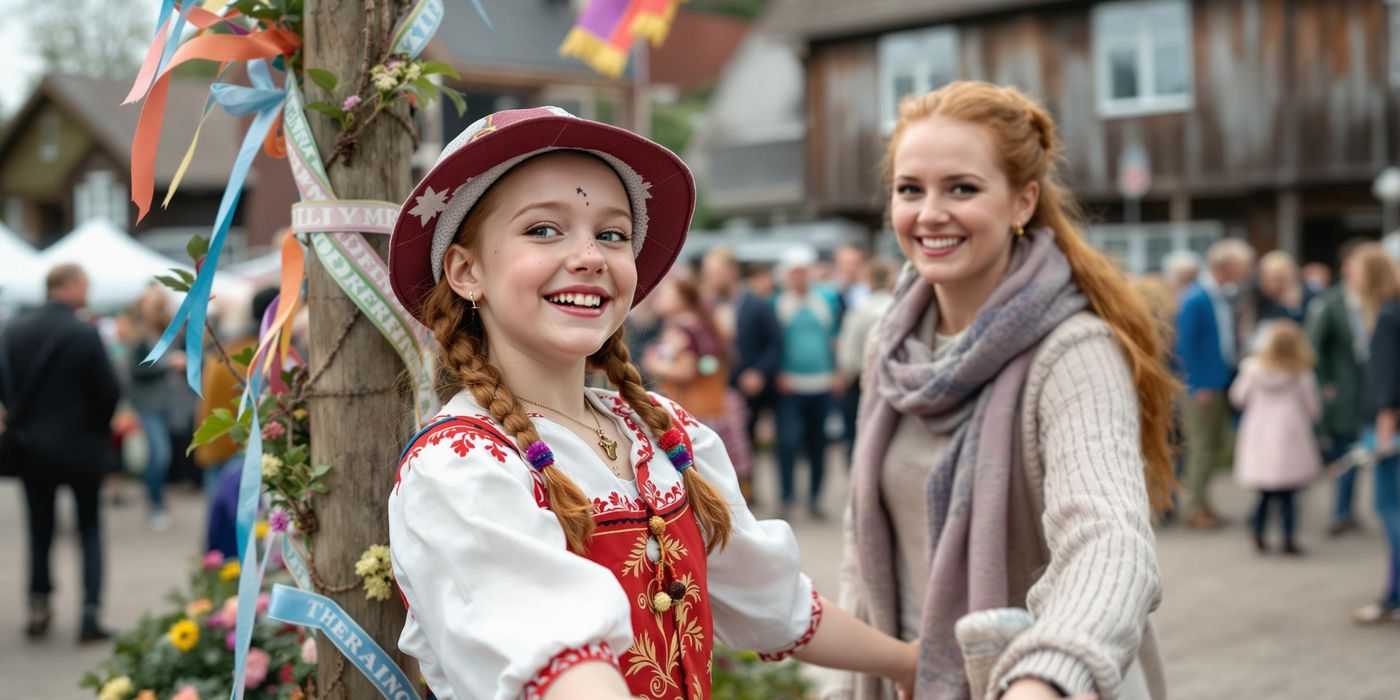
One year, Aino and I attended a small, local Midsummer festival in Seurasaari, Helsinki. She was fascinated by the traditional Finnish folk costumes and the maypole dance. Participating in the games and tasting the traditional treats gave her a real sense of the joy and community spirit that defines Finnish culture. It was an experience that went beyond just observing; she was actively participating in the traditions.
Interactive Workshops: Learning Through Doing
Hands-on workshops are a fantastic way for children to learn new skills and connect with a culture on a deeper level. Cooking classes, art workshops, and language lessons are all excellent options. Look for workshops that focus on traditional crafts or skills specific to the region you're visiting. For example, learning to make traditional Finnish crafts like himmeli (straw ornaments) or participating in a Sámi drum-making workshop can be both fun and educational.
Aino once participated in a Finnish knitting workshop where she learned to knit traditional mittens. Not only did she gain a new skill, but she also learned about the history and cultural significance of Finnish knitting patterns. She still proudly wears those mittens every winter, a tangible reminder of her cultural experience.
Exploring Local Markets: A Sensory Adventure
Local markets are a feast for the senses, offering a vibrant mix of sights, sounds, and smells that are sure to captivate children. They provide a window into the local culture, showcasing unique foods, crafts, and traditions. When navigating markets with children, it's helpful to set a budget beforehand and involve them in choosing souvenirs. This teaches them about value and decision-making while also allowing them to take home a piece of their cultural experience.
Visiting the Kauppatori market in Helsinki with Aino was always an adventure. She loved exploring the different stalls, tasting local berries, and admiring the handmade crafts. She even haggled (with my help!) for a small wooden reindeer, which she still treasures. The market was a sensory overload in the best way possible, providing a rich and authentic cultural experience.
Nature as a Cultural Classroom
Nature-based activities can be a powerful way to connect children with local cultures and traditions. Many cultures have deep ties to the land, with stories, folklore, and traditions rooted in the natural environment. Hiking through historical sites, learning about local flora and fauna through guided tours, or participating in traditional outdoor activities can provide valuable cultural insights.
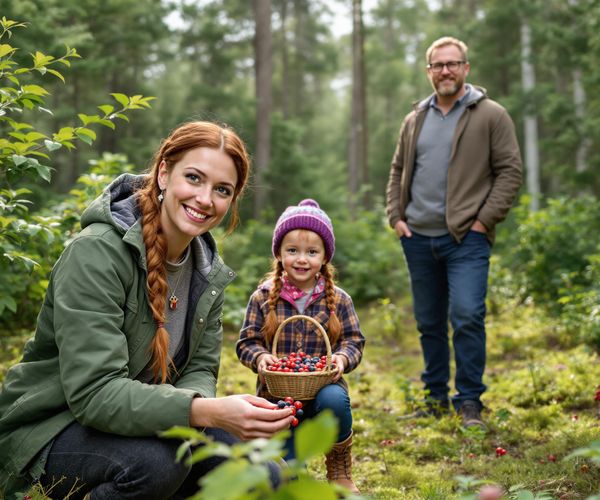
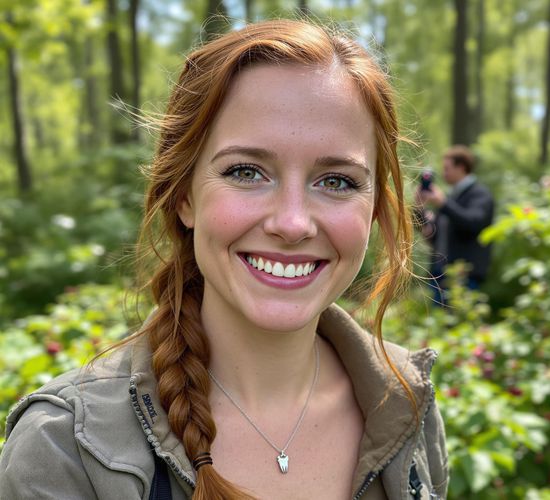
We often take family hikes in Nuuksio National Park near Helsinki. During one hike, our guide shared stories and folklore connected to the landscape, explaining the significance of certain trees and rocks in Finnish mythology. Aino was fascinated by the tales of forest spirits and the deep connection the Finnish people have with nature. She collected leaves and berries, engaging with the natural environment in a way that felt both educational and deeply personal.
Discover ways to engage your children with local cultures and traditions during your travels, making each trip a learning adventure.