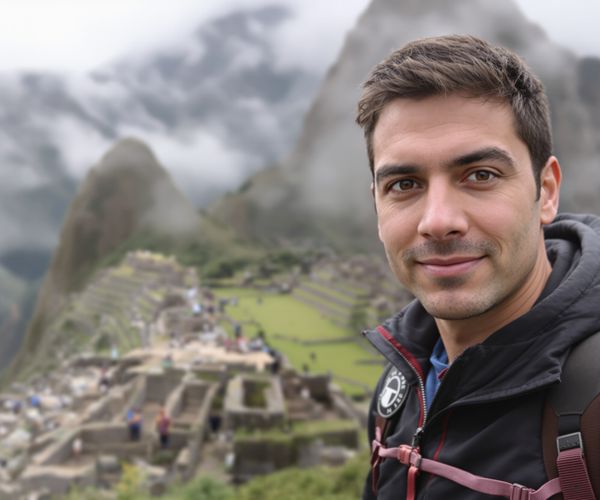
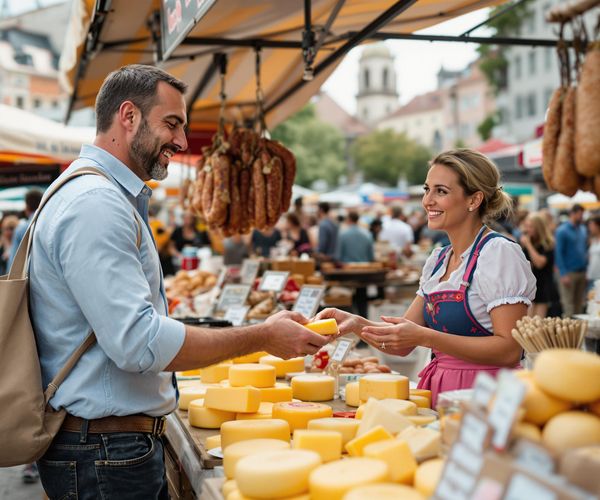
Hello fellow travelers! Jiří here, ready to share some insights on how to capture the true essence of a culture through photography. Over the years, Lena and I have explored many corners of the world, and I've learned that photography is more than just pointing and shooting; it's about storytelling, respect, and understanding. So, grab your camera, and let's dive into some tips for capturing authentic cultural experiences.
Understanding Cultural Sensitivity
Before you even raise your camera, it's crucial to understand the cultural context you're stepping into. This means doing your homework. Research the local norms, customs, and traditions. What might be perfectly acceptable in one culture could be deeply offensive in another. For instance, in some cultures, photographing people without permission is a major faux pas.
Always seek permission before taking photos of people, especially in personal or religious settings. A simple gesture and a polite request can go a long way. Remember, you are a guest, and respecting their wishes is paramount. During our travels in India, I always made sure to ask before photographing sadhus or people during prayer. It not only shows respect but often leads to deeper interactions and more meaningful photographs.
Be aware of your surroundings and avoid disrupting important moments. A funeral, a religious ceremony, or even a family meal are not photo opportunities if your presence is intrusive. Respect vulnerable populations and avoid exploitation. The goal is to document, not to exploit.
Telling a Story Through Composition
Composition is key to telling a story with your photographs. It's about arranging the elements within your frame to guide the viewer's eye and convey a message.
The rule of thirds is a classic technique for creating balanced and engaging images. Imagine dividing your frame into nine equal parts with two horizontal and two vertical lines. Place your subject at the intersection of these lines or along one of the lines to create a more dynamic composition.
Employ leading lines to draw the viewer into the scene. Roads, rivers, fences, and even shadows can act as leading lines, guiding the eye towards your subject and creating a sense of depth. Framing subjects to isolate them and add depth is another powerful technique. Use natural elements like trees, archways, or doorways to frame your subject and create a sense of intimacy. Think about how you can use these techniques to add layers to your cultural photography, such as framing a local artisan through the archway of their workshop, or using a winding road to lead the viewer to a distant village.
Capture a mix of wide, medium, and close-up shots to provide context and detail. A wide shot establishes the scene, a medium shot shows the subject in its environment, and a close-up shot reveals the finer details that tell a story. During a trip to a local market in Marrakech, I started with a wide shot of the bustling scene, then moved closer to capture the vibrant colors of the spices, and finally focused on the hands of a vendor meticulously arranging their goods. Each shot contributed to a more complete narrative.
Mastering Camera Settings for Cultural Photography
Understanding your camera settings is essential for capturing high-quality images in various lighting conditions. Here are a few key settings to master.
Adjust ISO for different lighting conditions to maintain image quality. ISO controls your camera's sensitivity to light. In low-light situations, you'll need to increase the ISO to brighten the image. However, be mindful of noise, which can degrade image quality at high ISO settings. I often try to keep the ISO as low as possible while still achieving a properly exposed image.
Use aperture to control depth of field and create desired effects. Aperture is the opening in your lens that controls the amount of light entering the camera. A wide aperture (e.g., f/2.8) creates a shallow depth of field, blurring the background and isolating your subject – perfect for portraits. A narrow aperture (e.g., f/16) creates a large depth of field, keeping everything in focus – ideal for landscapes. When photographing people, I often use a wider aperture to create a pleasing bokeh effect, drawing attention to their faces.
Set shutter speed to freeze motion or create motion blur. Shutter speed is the amount of time your camera's shutter is open, exposing the sensor to light. A fast shutter speed (e.g., 1/500s) freezes motion, while a slow shutter speed (e.g., 1/30s) creates motion blur. When photographing a festival, I might use a slower shutter speed to capture the energy and movement of the dancers.
Utilize appropriate white balance presets to ensure accurate colors. White balance corrects color casts caused by different light sources. Your camera has several presets, such as daylight, cloudy, and tungsten, which adjust the color temperature accordingly. Experiment with these presets to find the one that best matches the lighting conditions. I often use the custom white balance setting to fine-tune the colors and ensure they are as accurate as possible.
Capturing Authentic Moments
Authenticity is the heart of cultural photography. It's about capturing the genuine moments that reveal the true essence of a culture.
Photograph everyday life and candid moments rather than staged or posed shots. Look for those fleeting moments that capture the spirit of a place – a child playing in the street, an old man sipping tea, a group of women chatting in a market. These are the moments that tell a story.
Focus on details that reveal the essence of a culture, such as local markets, food, and architecture. These details provide insight into the daily lives and traditions of the people. Visit local markets to capture the vibrant colors and unique products. Photograph traditional dishes to document the culinary heritage. Capture the architecture to showcase the unique design and craftsmanship.
Include people in their environment to show their connection to the culture. Photograph a fisherman casting his net at sunrise, or a farmer tending his fields. These images show the relationship between people and their surroundings. During our travels in Vietnam, I loved capturing images of the locals working in the rice paddies, their conical hats silhouetted against the rising sun.
Use photography to document cultural traditions, festivals, and celebrations. These events offer a unique opportunity to capture the vibrancy and energy of a culture. Be respectful and mindful of the cultural significance of these events, and always seek permission before photographing participants.
Ethical Considerations and Responsible Sharing
As photographers, we have a responsibility to represent cultures accurately and ethically. Here are a few ethical considerations to keep in mind.
Avoid stereotypes and clichés in your photography. Seek out unique perspectives and challenge preconceived notions. Show the diversity and complexity of the culture, rather than relying on tired tropes.
Ensure your photographs promote empowering narratives and respect for local communities. Avoid images that perpetuate negative stereotypes or exploit vulnerable populations. Focus on the positive aspects of the culture and showcase the resilience and strength of the people.
Provide context and share photos responsibly, with consideration for potential impact. Think about how your images might be interpreted and what message they convey. Use captions to provide additional information and context. Respect anonymity and obtain consent to share portraits. If you are photographing individuals, especially children, always seek their consent (or the consent of their parents) before sharing their images online.
By following these tips, you can capture authentic cultural experiences through photography while respecting the people and cultures you encounter. Remember, photography is a powerful tool for storytelling and understanding. Use it wisely to promote cross-cultural understanding and appreciation. Happy travels!
Learn how to capture the essence of a culture through photography, with tips on technique and storytelling. Capture authentic cultural experiences through photography while respecting the people and cultures you encounter.