Bula! From the heart of Fiji to the bustling streets of Vancouver, my journey has always been intertwined with the flavors of the world. There's something magical about discovering a new culture through its food, and even more so when you can recreate those tastes on the road. Join me as I share my tips and tales on how to bring global cuisine to your travels, turning every trip into a culinary adventure.
The Allure of Culinary Travel: More Than Just Eating Out
Let's face it, we all love trying new restaurants when we travel, but there's a deeper connection to be made when you cook your own meals. It's not just about saving money (though that's a definite perk!), it's about immersing yourself in the local culture, making healthier choices, and creating unforgettable memories.
I remember one trip to the Yasawa Islands in Fiji. Instead of relying on resort food, I ventured into a local village market. I learned how to prepare kokoda (Fijian ceviche) from a local fisherman's wife, using freshly caught walu and coconut milk squeezed right from the coconut. The taste was incredible, but the real magic was in the connection – the shared laughter, the stories exchanged, and the feeling of being truly part of the community. That's the kind of experience that stays with you long after you've returned home. Cooking transforms a simple vacation into a rich, sensory exploration.
Packing Your Portable Kitchen: Essential Cooking Equipment for Travelers
Now, you might be thinking, Cooking on the road sounds great, but what about all the gear? Don't worry, you don't need to pack your entire kitchen! The key is to focus on lightweight, versatile essentials.
Here’s my go-to list:
- A portable stove (I prefer a compact gas stove for its ease of use)
- A small, durable pot and pan (look for nesting sets to save space)
- A set of utensils (spatula, spoon, knife, fork – bamboo or lightweight metal are great options)
- Storage containers (for leftovers and transporting ingredients)
When choosing equipment, think about durability and versatility. Can your pot double as a bowl? Can your knife handle multiple tasks? Every inch of space counts!
Don't forget about spices! A few key spices can transform even the simplest meal. I always pack a small container with salt, pepper, chili flakes, curry powder, and a Fijian spice blend called masala. These essentials add depth and flavor to any dish.
Navigating Local Markets: Sourcing Ingredients Like a Pro
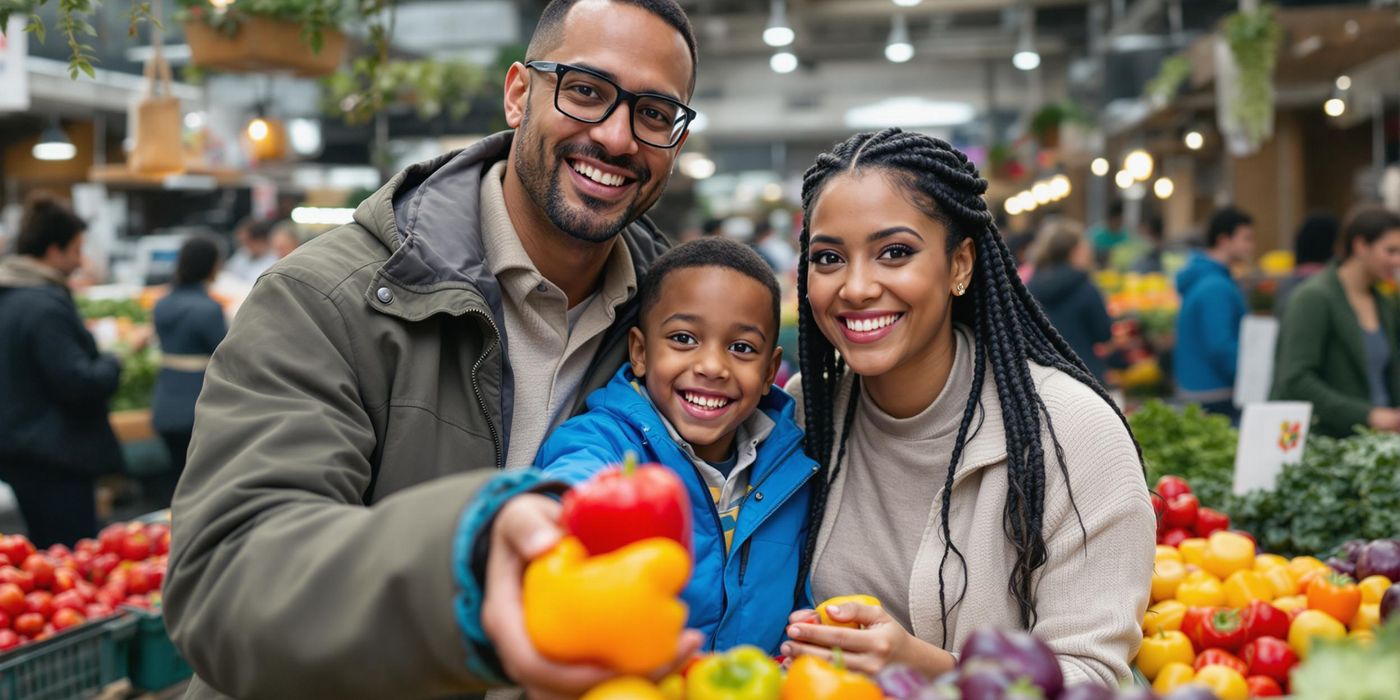
One of the most exciting parts of cooking on the road is exploring local markets. These vibrant hubs are treasure troves of fresh, unique ingredients just waiting to be discovered.
Here are a few tips to help you navigate them like a pro:
- Do your research: Before you go, look up the location and opening hours of local markets.
- Don't be afraid to ask: Vendors are usually happy to share information about their products.
- Look for freshness: Choose produce that is vibrant, firm, and free from blemishes.
I remember being overwhelmed by the variety of fruits and vegetables at the Granville Island Market here in Vancouver when I first arrived. I didn't recognize half of them! But with a little curiosity and a lot of questions, I discovered a whole new world of flavors.
Of course, food safety is always a concern. Make sure to wash your hands thoroughly before handling food, and choose vendors that appear clean and hygienic. If you're unsure about the safety of a particular ingredient, err on the side of caution.
In Fiji, we have a saying, Kana vinaka! It means Eat well! And that's what I encourage you to do – explore, experiment, and enjoy the delicious bounty of local markets.
Easy Recipes for Culinary Adventurers: Quick, Delicious, and Travel-Friendly
Alright, let's get cooking! Here are a few simple recipes that are perfect for travel:
- One-Pot Pasta Primavera: Cook pasta with chopped vegetables (zucchini, bell peppers, tomatoes) in vegetable broth. Season with herbs and spices. Ready in 20 minutes!
- Coconut Curry Lentils: Sauté onions and garlic, then add red lentils, coconut milk, curry powder, and chopped vegetables (spinach, carrots). Simmer until lentils are tender. Serve with rice or naan bread.
- Fijian-Inspired Coconut Fish: Marinate fish fillets (mahi-mahi or snapper) in coconut milk, lime juice, ginger, and chili flakes. Wrap in banana leaves (if available) or foil and bake or grill until cooked through. Serve with rice and a side of greens.
Don't be afraid to adapt these recipes based on what's available. If you can't find a specific ingredient, substitute it with something similar. The goal is to have fun and create something delicious!
Cooking with Kids on the Road: Making it a Family Affair
Cooking on the road can be even more rewarding when you involve your kids. It's a great way to teach them about different cultures, develop their culinary skills, and create lasting memories.
Sailosi, my son, loves helping me in the kitchen, especially when we're traveling. He's in charge of washing vegetables, measuring ingredients, and stirring sauces (with supervision, of course!). One time, we were camping in Tofino, and we made s'mores over the campfire. Sailosi took it upon himself to create different variations, using different types of chocolate and toppings. It was a simple activity, but it sparked his creativity and gave him a sense of accomplishment.
When cooking with kids, choose age-appropriate tasks. Younger children can help with washing and sorting, while older children can assist with chopping and stirring. Always prioritize safety and hygiene, and make sure to supervise them closely. Cooking together is a fun and educational experience for the whole family.
Sustainable Cooking Practices: Reducing Your Environmental Impact
As travelers, it's important to be mindful of our environmental impact. Here are a few tips for sustainable cooking practices on the road:
- Minimize waste: Bring your own reusable containers, utensils, and shopping bags.
- Source sustainable ingredients: Buy local produce from farmers' markets and support businesses that prioritize sustainability.
- Reduce reliance on single-use plastics: Avoid buying pre-packaged foods and drinks.
Remember, responsible tourism is about respecting the local environment and culture. By adopting sustainable cooking practices, you can minimize your impact and contribute to a more sustainable future.
So, there you have it – my guide to cooking on the road. I hope this inspires you to embark on your own culinary adventures and discover the world, one delicious meal at a time. Moce! (Goodbye!)
Discover how to enjoy global cuisine while traveling by cooking on the road, with tips for culinary adventurers.