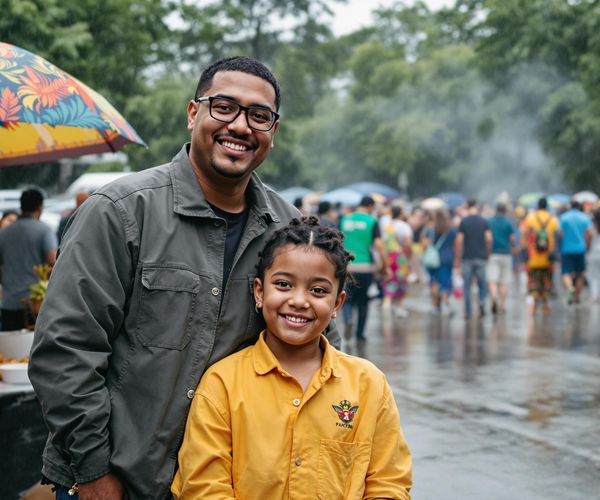
From the lush landscapes of Fiji to the vibrant gardens of Vancouver, my life has always revolved around the simple joy of gardening. It's more than just a hobby; it's a connection to my roots, a way to nurture my soul, and a constant companion, even when I'm thousands of miles from home. Join me as I share my experiences and tips for keeping your green thumb alive while you explore the world.
Embracing the Green Within: My Travel Philosophy
Growing up in Navua, Fiji, gardening wasn't just something we did; it was a way of life. My family cultivated everything from cassava and taro to bele and pumpkin, and these traditional Fijian vegetables were staples in our daily meals. This upbringing instilled in me a deep appreciation for the earth and the simple act of nurturing life. Even now, living in Vancouver, I find solace in my garden, growing a little piece of Fiji right here in Canada.
When I travel, I carry this connection with me. Gardening, for me, is a grounding activity. It reminds me of where I come from and helps me feel at home, no matter where I am. I remember one trip to New Zealand where I volunteered at a local community garden and even managed to sprout some bele from seeds I brought with me. It was an incredible experience to share a taste of Fiji with new friends and learn about their own gardening traditions.
Portable Paradise: Container Gardening on the Move
One of the best ways to keep gardening while traveling is through container gardening. It's versatile, adaptable, and allows you to bring a little bit of green with you wherever you go. Over the years, I've experimented with various container options, and I've found a few that work particularly well for travelers.
Lightweight fabric grow bags are fantastic because they're easy to pack and won't weigh you down. Plastic containers are also a good choice, especially for shorter trips, as are resin pots, which are durable and come in various sizes. When choosing plants, opt for resilient varieties that can handle the stress of moving. Succulents are a great option, as they require minimal watering. Herbs like rosemary, thyme, and mint are also quite hardy and can add flavor to your travel meals. Certain houseplants, such as snake plants and ZZ plants, are also relatively low-maintenance.
When packing plants for a move, water them thoroughly a day or two before. This will ensure they're hydrated without being waterlogged. Use protective measures such as bubble wrap or newspaper to cushion the plants and prevent damage. Place them in a sturdy box or bag to keep them secure during transit.
Sowing Seeds of Culture: Connecting with Local Gardening Communities
One of the most rewarding experiences I've had while traveling is connecting with local gardening communities. Visiting and supporting community gardens offers a unique glimpse into the culture and traditions of a place. It's also a wonderful way to meet like-minded individuals and learn about their gardening techniques.
I've had the pleasure of working alongside local gardeners in various countries, from weeding vegetable beds in Italy to planting herbs in Morocco. Each experience has taught me something new and reinforced the importance of community in fostering food security and sustainability. These gardens promote a sense of unity and provide a space for people to come together and share their knowledge and passion.
Many community gardens also offer workshops and classes, which are a fantastic way to enhance your gardening skills. Whether you're learning about composting, seed saving, or organic pest control, these opportunities can enrich your understanding of gardening and help you become a more sustainable traveler.
Botanical Bliss: Exploring Gardens Around the Globe
No matter where I travel, I always make it a point to visit botanical gardens and parks. These green spaces offer a tranquil escape from the hustle and bustle of city life and provide a chance to discover the local flora. They're also incredibly educational and inspirational, offering insights into native plants, garden layouts, and landscaping techniques.
When planning a garden visit, consider the season and what might be in bloom. Check for special events, such as flower shows or guided tours, which can enhance your experience. Don't be afraid to explore lesser-known gems; some of the most beautiful gardens are hidden away from the main tourist routes.
Some botanical gardens that are worth traveling for include the Royal Botanic Gardens in Kew, England, known for its extensive plant collections and stunning Victorian architecture, and the Singapore Botanic Gardens, a UNESCO World Heritage site that showcases the rich biodiversity of Southeast Asia. The Kirstenbosch National Botanical Garden in Cape Town, South Africa, is another must-see, with its unique collection of indigenous plants and breathtaking views of Table Mountain.
Green Getaways: Tips for Garden Care During Travel
Leaving your garden behind while you travel can be stressful, but with a little preparation, you can ensure your plants stay healthy and happy in your absence. Before you leave, water your garden deeply. This will provide your plants with a good reserve of moisture. Apply a layer of mulch around your plants to help retain moisture in the soil.
Avoid common mistakes such as overwatering, which can lead to root rot, and leaving plants in full sun, which can cause them to dry out. Enlist a friend or neighbor to care for your garden while you're away. Provide them with clear instructions on watering, fertilizing, and pest control. If you're feeling crafty, you can create DIY self-watering solutions using plastic bottles or a water-wicking system.
Maximizing Limited Space: Small Space Gardening Ideas
Even if you're traveling with limited space, you can still enjoy the benefits of gardening. Creative ideas for portable gardens in small spaces include vertical gardening systems, which allow you to grow plants on walls or fences, and micro-gardens, which are miniature gardens that can be grown in containers or even repurposed items like teacups or tin cans.
When designing a small garden, diversify plant heights to create visual interest and combine contrasting foliage textures to add depth. Suitable plants for small spaces include compact or dwarf varieties, herbs, and leafy greens. Maximize yield in a small vegetable garden by using techniques such as succession planting, which involves planting crops in stages to ensure a continuous harvest, and companion planting, which involves planting mutually beneficial plants together to improve growth and deter pests.
Tips for travelers who are passionate about gardening and want to maintain their hobby while exploring new destinations.