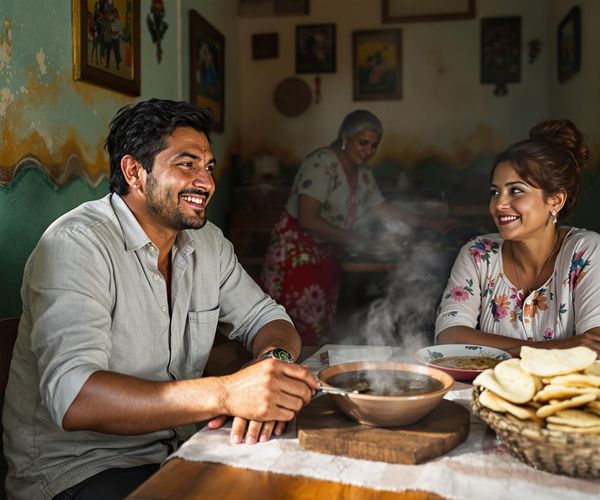
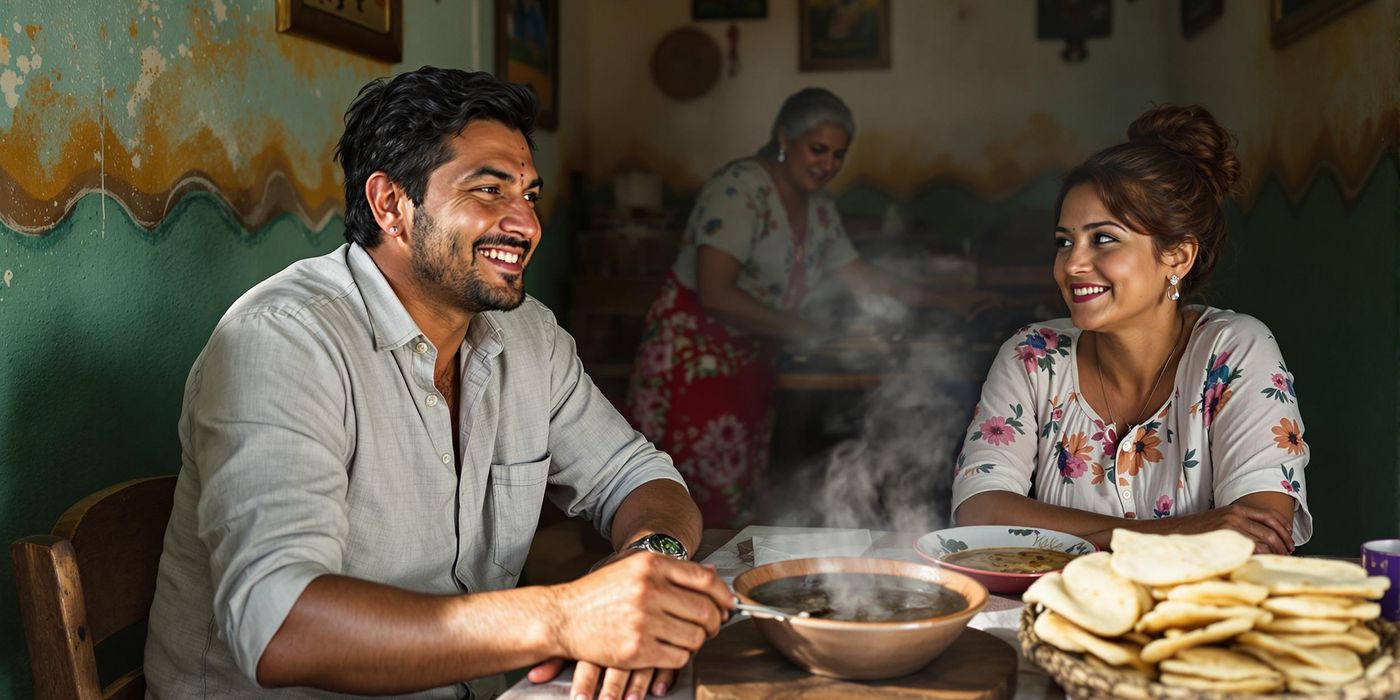
Hey there, fellow foodies and wanderers! José here, ready to whisk you away on a flavorful journey around the globe. Forget those predictable tourist traps – we're diving deep into the heart of authentic culinary experiences. So, grab your forks (or chopsticks!), and let's explore the world, one delicious bite at a time.
Finding Authentic Flavors: Beyond the Tourist Traps
One of the biggest challenges in culinary travel is sifting through the tourist-oriented restaurants to find the real deal. You know, the kind of place where locals actually eat, where the recipes have been passed down through generations, and where the flavors tell a story. So how do you do it?
First off, do your homework. Before you even pack your bags, spend some time researching local eateries. Dive into food blogs, travel forums, and online reviews – but take them with a grain of salt. Look for patterns: are multiple people raving about a specific hole-in-the-wall? That’s a good sign. Also, pay attention to the language used in the reviews. Do they mention specific dishes, unique ingredients, or a family-run atmosphere? These are all clues that you're on the right track.
Another strategy is to simply wander off the beaten path. Tourist districts are usually packed with overpriced, inauthentic restaurants catering to a generic palate. Instead, venture into residential neighborhoods, explore side streets, and ask locals for recommendations. Don't be afraid to get lost – some of the best culinary discoveries happen when you least expect them.
During my trip to Oaxaca, Mexico, I made it a point to avoid the main square and instead, wandered through the surrounding streets. That's how I stumbled upon a tiny, family-run eatery serving the most incredible mole negro I've ever tasted. The flavors were complex, rich, and deeply satisfying – a far cry from the watered-down versions I had tried in the touristy areas. It was a reminder that the best food experiences often require a little bit of exploration and a willingness to step outside your comfort zone.
Embracing Local Dining Etiquette: When in Rome...
Food is more than just sustenance; it's a cultural experience. And part of that experience is understanding and respecting local dining etiquette. What's considered polite in one country might be downright offensive in another. So, before you travel, take some time to learn about the dining norms of your destination.
For example, in Japan, it's considered rude to stick your chopsticks upright in a bowl of rice, as this resembles a funeral ritual. Instead, lay them horizontally across your bowl or use the chopstick rest. In some Middle Eastern countries, it's customary to eat with your right hand, as the left hand is considered unclean. And in Italy, don't even think about asking for Parmesan cheese with your seafood pasta – it's a culinary faux pas!
Navigating these cultural nuances can be tricky, but it's worth the effort. Not only will you avoid embarrassing yourself, but you'll also show respect for the local culture and traditions. Plus, you might even learn something new along the way. On a trip to South Korea, I was initially hesitant to slurp my noodles, as it seemed impolite. But I quickly learned that slurping is actually a sign of appreciation and that it enhances the flavor of the dish. It was a fun and unexpected cultural experience.
Cooking Classes: A Hands-On Approach to Culinary Travel
Want to take your culinary exploration to the next level? Consider participating in a local cooking class. It's a fantastic way to learn about the ingredients, techniques, and traditions that make a cuisine unique. Plus, it's a fun and interactive way to connect with locals and fellow travelers.
Cooking classes offer a hands-on approach to cultural understanding. You'll not only learn how to prepare traditional dishes, but you'll also gain insights into the history, culture, and values that shape the cuisine. You'll learn about the importance of certain ingredients, the symbolism behind specific dishes, and the rituals that accompany meal preparation.
One of my most memorable cooking classes was in Thailand, where I learned how to make green curry from scratch. I visited a local market to select the freshest ingredients, learned how to grind spices using a mortar and pestle, and discovered the secrets to balancing the flavors of sweet, sour, salty, and spicy. It was an immersive and educational experience that deepened my appreciation for Thai cuisine.
Sustainable Food Tourism: Eating with a Conscience
As travelers, we have a responsibility to minimize our impact on the environment and support local communities. And that includes making sustainable food choices. Sustainable food tourism is about choosing restaurants that source ingredients locally, minimize waste, and support ethical labor practices.
By choosing sustainable restaurants, you're not only reducing your carbon footprint, but you're also helping to preserve culinary traditions. You're supporting local farmers, producers, and artisans who are committed to using sustainable practices. You're also helping to ensure that future generations can enjoy the same delicious and authentic food experiences that we do today.
Look for restaurants that are certified organic, farm-to-table, or committed to reducing food waste. Ask questions about where the ingredients come from and how the food is prepared. Choose restaurants that support local farmers and producers. And be mindful of your consumption – order only what you can eat, and take leftovers with you.
The Rise of Culinary Travel: A Trend to Savor
Culinary tourism is on the rise, and for good reason. More and more travelers are prioritizing food experiences over traditional sightseeing. They're seeking out authentic flavors, unique ingredients, and immersive culinary experiences. They're realizing that food is not just fuel; it's a way to connect with a place's culture and heritage.
Food connects us to a place's culture and heritage. It tells a story about the land, the people, and the traditions that have shaped a region. It's a way to understand the history, values, and beliefs of a culture. And it's a way to connect with locals on a deeper level.
Whether it's sampling street food in Bangkok, learning to make pasta in Italy, or tasting wine in Napa Valley, culinary travel offers a unique and enriching way to experience the world. It's a trend that's here to stay, and I couldn't be happier about it.
Culinary Traditions: More Than Just a Meal
Culinary traditions are more than just recipes; they're a reflection of a region's identity and values. They're a way to preserve history, celebrate culture, and connect with the past. From the elaborate tea ceremonies of Japan to the communal feasts of Ethiopia, culinary traditions offer a fascinating glimpse into the heart and soul of a culture.
Take, for example, the tradition of making tamales in Mexico. It's a labor-intensive process that involves the entire family. From preparing the masa (corn dough) to filling the husks with various meats, cheeses, and vegetables, it's a tradition that's passed down through generations. And it's a way to celebrate family, community, and the rich cultural heritage of Mexico.
Exploring culinary traditions is a way to deepen your understanding and appreciation of a culture. It's a way to connect with the people, the history, and the values that make a place unique. And it's a way to create lasting memories that you'll cherish long after you've returned home.
Explore global cuisines authentically with José's tips on local dining, cooking classes, and cultural etiquette. Discover hidden culinary gems and savor the world's flavors.