
Hey everyone, José here! Over the past few years, my wife Lena and I have been fortunate enough to blend our professional lives with our passion for travel. As a software developer, I've learned a thing or two about staying productive while exploring the world. It's not always easy, but with the right strategies, you can definitely make it work. Let me share some insights on how to balance work and travel as a digital nomad.
Setting Realistic Expectations and Embracing Flexibility
Let's be real – juggling work and travel isn't always sunshine and rainbows. There will be days when your internet cuts out in the middle of a crucial meeting or when a breathtaking sunset distracts you from your coding. It's crucial to acknowledge these challenges and set realistic expectations for both your productivity and leisure time.
One of the biggest lessons I've learned is the importance of flexibility. Things rarely go exactly as planned when you're on the road. You might encounter unexpected delays, changes in accommodation, or simply a change of heart about your next destination. The key is to be adaptable and embrace these unexpected twists and turns. It’s all part of the adventure!
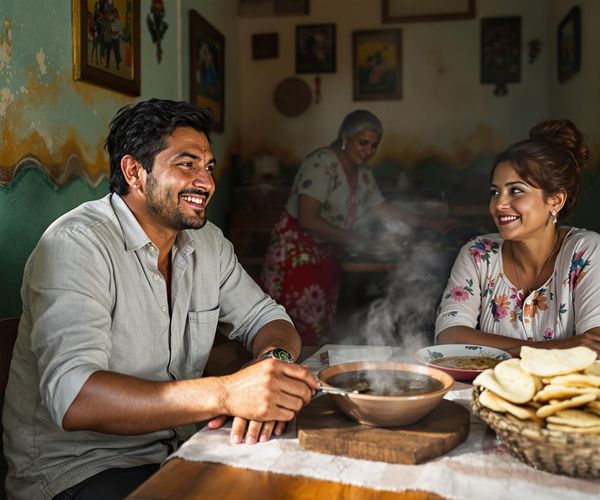
I remember once, Lena and I were in Medellín, Colombia, all set to spend a week exploring the city. We had booked a fantastic apartment with a rooftop terrace and high-speed internet. Or so we thought. Turns out, the internet was barely functional, and a major street festival was happening right outside our window, making it impossible to concentrate. Instead of getting frustrated, we decided to roll with it. We found a cozy coworking space a few blocks away, explored the city during the festival, and even learned a few salsa steps. It turned out to be one of the most memorable weeks of our trip!
Creating a Structured Daily Routine
Even though flexibility is essential, having a structured daily routine is just as important for maintaining productivity. When you're constantly on the move, it's easy to let work slide or get caught up in sightseeing. Establishing a routine helps you stay focused and ensures you're making progress on your projects.
I recommend setting specific work hours each day, just like you would in a traditional office. Block out time for focused work, breaks, and even personal activities. It might sound rigid, but it actually gives you more freedom in the long run. When you know you have dedicated time for work, you can fully relax and enjoy your travels without feeling guilty or stressed.
There are tons of great time management apps out there that can help you stay organized. I personally use Trello for project management, Notion for note-taking and task management, and RescueTime for tracking how I spend my time online. These tools help me stay on top of my workload and ensure I'm not wasting time on distractions.
Don't forget to integrate your personal interests and hobbies into your daily schedule. Whether it's exploring local art galleries, trying new foods, or simply going for a walk in nature, make time for activities that recharge you and prevent burnout. Lena and I always make sure to visit at least one modern art museum in every city we visit. It's a great way to get inspired and connect with the local culture.
Building a Mobile Office
Having the right equipment is crucial for creating a comfortable and productive mobile office. You don't need a fancy setup, but there are a few essentials that can make a big difference.
First and foremost, invest in a lightweight and reliable laptop. You'll be carrying it around a lot, so weight is a key factor. Noise-canceling headphones are also a must-have for blocking out distractions in noisy environments. And a portable Wi-Fi device can be a lifesaver when you're in areas with unreliable internet.
To make your workspace more ergonomic, consider investing in a foldable laptop stand and a portable monitor. These accessories can help you maintain good posture and reduce strain on your neck and eyes. Trust me, your body will thank you after hours of working on the road.
Reliable internet connectivity is the backbone of any digital nomad's setup. Mobile hotspots are a great option for staying connected on the go. eSIMs are also becoming increasingly popular, as they allow you to easily switch between different mobile networks without having to physically swap SIM cards. And of course, coworking spaces are always a good option when you need a dedicated workspace with fast and reliable internet.
As someone with a background in tech and a passion for sustainability, I also recommend using a VPN for secure internet access on public Wi-Fi networks. A VPN encrypts your internet traffic and protects your personal data from hackers and snoopers. It's a small investment that can save you a lot of headaches in the long run.
Prioritizing Communication and Collaboration
When you're working remotely, clear communication with clients and colleagues is more important than ever. You need to be proactive in keeping everyone informed about your progress and availability.
Communication tools like Slack and Zoom are essential for seamless collaboration. Use Slack for quick updates and discussions, and Zoom for video calls and virtual meetings. These tools help you stay connected with your team and ensure everyone is on the same page.
Managing time zone differences can be a challenge when you're working with people in different parts of the world. Use a time zone converter to schedule meetings at convenient times for everyone. And be mindful of cultural differences in communication styles. What might be considered acceptable in one culture could be seen as rude or unprofessional in another.
Lena and I have developed a system for coordinating our schedules while traveling. We use a shared calendar to track our appointments and deadlines, and we have a weekly check-in meeting to discuss our priorities and goals. This helps us stay organized and ensures we're both contributing to our shared success.
Leveraging Technology and Automation
In today's digital age, there are countless tools and apps that can help you automate tasks and improve your productivity. Take advantage of these resources to streamline your workflow and free up your time for more important things.
Project management apps like Asana and Trello are great for organizing your work and tracking deadlines. These apps allow you to create tasks, assign them to team members, and set due dates. They also provide a visual overview of your project's progress, so you can easily identify any potential bottlenecks.
Cloud storage services like Google Drive and Dropbox are essential for file sharing and backup. These services allow you to access your files from anywhere in the world, and they automatically back up your data in case your laptop gets lost or stolen.
There are also a number of useful apps specifically designed for digital nomads. Wise is a great option for international money transfers, as it offers low fees and competitive exchange rates. And Nomad List is a valuable resource for researching cities and finding information about internet speed, cost of living, and safety.
Finding Work-Life Balance on the Road
Last but not least, it's crucial to prioritize work-life balance when you're living the digital nomad lifestyle. It's easy to get caught up in work and forget to take care of yourself. But if you don't make time for rest and relaxation, you'll quickly burn out.
Set boundaries between work and personal time. Establish a dedicated workspace in your accommodation, and turn off notifications when you're not working. This will help you disconnect from work and focus on enjoying your surroundings.
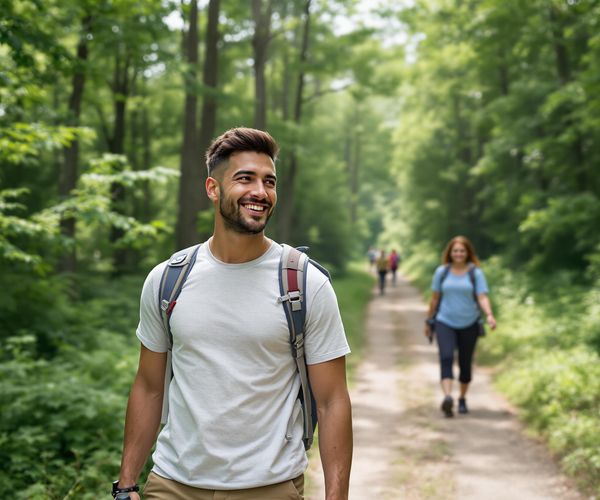
Make time to explore the local culture and engage in leisure activities. Visit museums, try new foods, go for hikes, or simply relax on the beach. These experiences will help you recharge and stay inspired.
I remember when Lena and I were in Costa Rica last year. After weeks of intense coding, I was feeling stressed and overwhelmed. So, I decided to take a few days off and go surfing. Spending time in the ocean, riding the waves, and connecting with nature helped me clear my head and regain my focus. When I returned to work, I felt refreshed and energized.
Balancing work and travel as a digital nomad is a challenging but rewarding experience. By setting realistic expectations, creating a structured routine, building a mobile office, prioritizing communication, leveraging technology, and finding work-life balance, you can create a fulfilling and sustainable lifestyle that allows you to explore the world while pursuing your professional goals.
Explore strategies for maintaining productivity and a healthy work-life balance while traveling as a digital nomad. Discover tips from a software developer's journey.