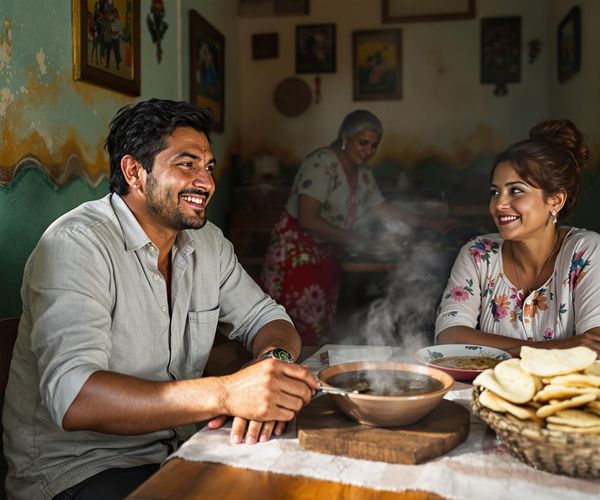

Hey everyone, José here! As someone who grew up surrounded by the lush rainforests and vibrant beaches of Costa Rica, I've always felt a deep connection to nature. Now living in bustling Berlin, I'm even more aware of the importance of sustainable living, especially when it comes to travel. Lena and I love exploring new places, but we're also committed to minimizing our impact on the environment. So, I wanted to share some practical tips on how you can reduce your carbon footprint while still enjoying incredible travel experiences.
Understanding Your Travel Footprint
Okay, let's talk about the elephant in the room – or rather, the airplane in the sky. A carbon footprint, in the context of travel, refers to the total greenhouse gases generated by your travel activities. This includes everything from the fuel burned by planes and cars to the energy used in hotels and the waste produced along the way.
What contributes the most to this footprint? Well, flights are a big one, especially long-haul trips. Accommodation plays a significant role, too – think about the energy needed to heat, cool, and light hotels. Ground transportation, like rental cars and buses, also adds up, as do the activities we engage in, such as tours and excursions.
I remember one particular trip to Costa Rica a few years back. I was so excited to show Lena my home country, and we packed in as much as possible – flying between destinations, staying in large resorts, and eating mostly imported foods. It wasn't until I started researching sustainable travel that I realized how much of an impact we were having. That trip was a real wake-up call for me, and it inspired me to make more conscious choices moving forward.
The first step to reducing your impact is simply being aware of it. Once you understand where your carbon footprint comes from, you can start making informed decisions to minimize it.
Choosing Eco-Friendly Transportation
Let's face it: transportation is often the biggest contributor to a traveler's carbon footprint. So, what can we do about it?
Whenever possible, consider alternatives to flying. Trains and buses are generally much more fuel-efficient, especially for shorter distances. And if you're up for it, cycling is a fantastic way to explore a new place while getting some exercise and fresh air. Lena and I once cycled through the Brandenburg countryside, and it was an unforgettable experience.
If flying is unavoidable, there are still ways to reduce your impact. Direct flights consume less fuel than connecting flights, as a significant amount of fuel is used during takeoff and landing. Consider booking direct flights whenever possible.
You can also look into carbon offsetting programs. Many airlines offer the option to offset the carbon emissions from your flight by investing in environmental projects, such as reforestation or renewable energy. While it's not a perfect solution, it's a step in the right direction.
Also, pack light! The heavier your luggage, the more fuel the plane needs to burn. Try to bring only what you need and opt for lightweight travel gear.
It's also worth checking if the airline you're flying with uses sustainable aviation fuels (SAF). SAF are produced from renewable sources and can significantly reduce carbon emissions compared to traditional jet fuel. While SAF is still in its early stages, some airlines are already making strides in adopting this technology.
Finally, when you arrive at your destination, consider renting an electric vehicle. EVs produce zero tailpipe emissions and can be a great way to explore without contributing to air pollution.
Selecting Sustainable Accommodations
Where you stay also has a significant impact on your carbon footprint. Sustainable accommodations are designed to minimize their environmental impact through energy efficiency, water conservation, waste reduction, and local sourcing.
So, how do you find these eco-friendly gems? Look for certifications like Green Key or EarthCheck. These certifications indicate that the accommodation has met certain environmental standards.
Read reviews! Other travelers often share their experiences with sustainable practices at hotels and guesthouses. Pay attention to comments about energy and water conservation, waste management, and local sourcing.
Whenever possible, support locally owned accommodations. These businesses are more likely to invest in their local communities and prioritize sustainability. Plus, you'll often have a more authentic and unique experience.
Eco-friendly stays offer numerous benefits, including healthier surroundings, unique experiences, and the satisfaction of knowing you're supporting a business that cares about the environment.
While you're staying at your accommodation, remember to conserve energy and water. Turn off lights and electronics when you're not using them, take shorter showers, and reuse towels and linens.
Reducing Waste on the Road
One of the easiest ways to reduce your environmental impact while traveling is to minimize waste. Here are some practical tips:
Bring your own reusable water bottle, coffee cup, shopping bags, and food containers. This will help you avoid single-use plastics and reduce waste.
Consider packing solid toiletries, such as shampoo bars, conditioner bars, and solid toothpaste. These products eliminate the need for plastic bottles and containers.
Avoid single-use plastics whenever possible. Say no to plastic straws, cutlery, and bags. Opt for reusable alternatives instead.
Reduce food waste by planning your meals and bringing reusable containers for leftovers. Many restaurants are happy to let you take your leftovers in your own container.
And definitely bring your own thermos cup for coffee orders. Not only will you reduce waste, but you'll also often get a discount on your coffee!
Remember to pack light! The lighter your luggage, the less fuel is needed for transportation. Plus, you'll have less to carry around.
Supporting Local Communities and Economies
Finally, one of the most rewarding aspects of sustainable travel is the opportunity to support local communities and economies. When you travel, make a conscious effort to spend your money at local businesses.
Eat at local restaurants, buy souvenirs from local artisans, and use local guides. This helps to support local jobs and livelihoods.
Consider participating in community-based tourism initiatives. These initiatives empower local communities by providing them with economic opportunities and preserving their cultural heritage.
Explore local markets and small businesses to support the local economy. You'll often find unique and authentic products that you won't find anywhere else.
Remember to respect local customs and traditions. Learn a few basic phrases in the local language, dress appropriately, and be mindful of local customs.
There are many inspiring examples of community-based tourism initiatives around the world. For instance, in some parts of Costa Rica, local communities offer guided tours of their rainforests and farms, providing visitors with a unique insight into their way of life while generating income for the community.
Practical tips on minimizing your environmental impact while traveling. Learn how to reduce your carbon footprint with these simple eco-friendly steps.