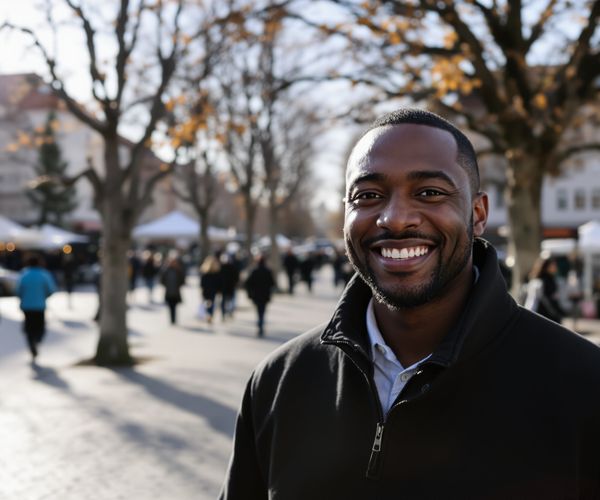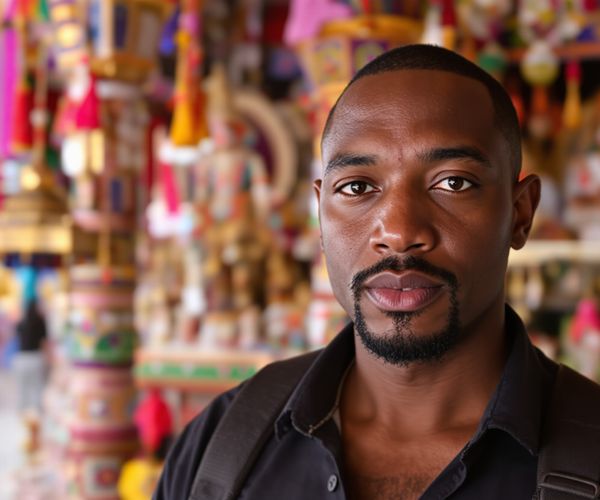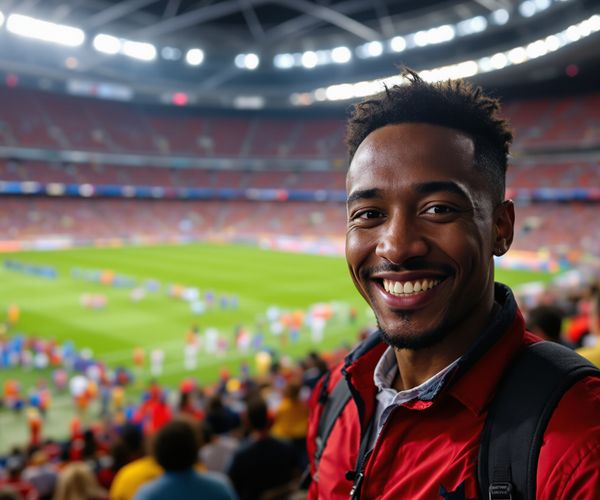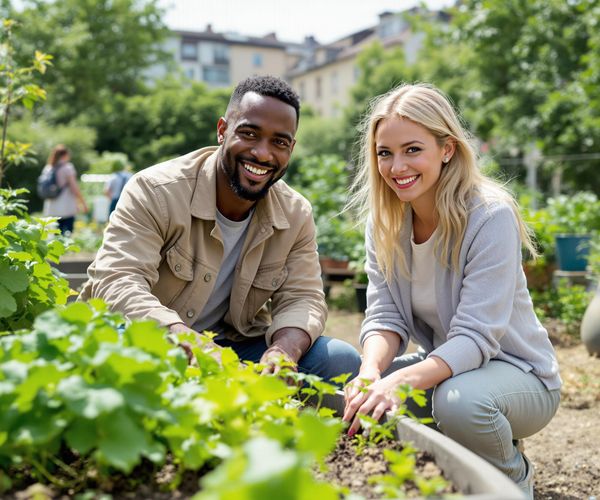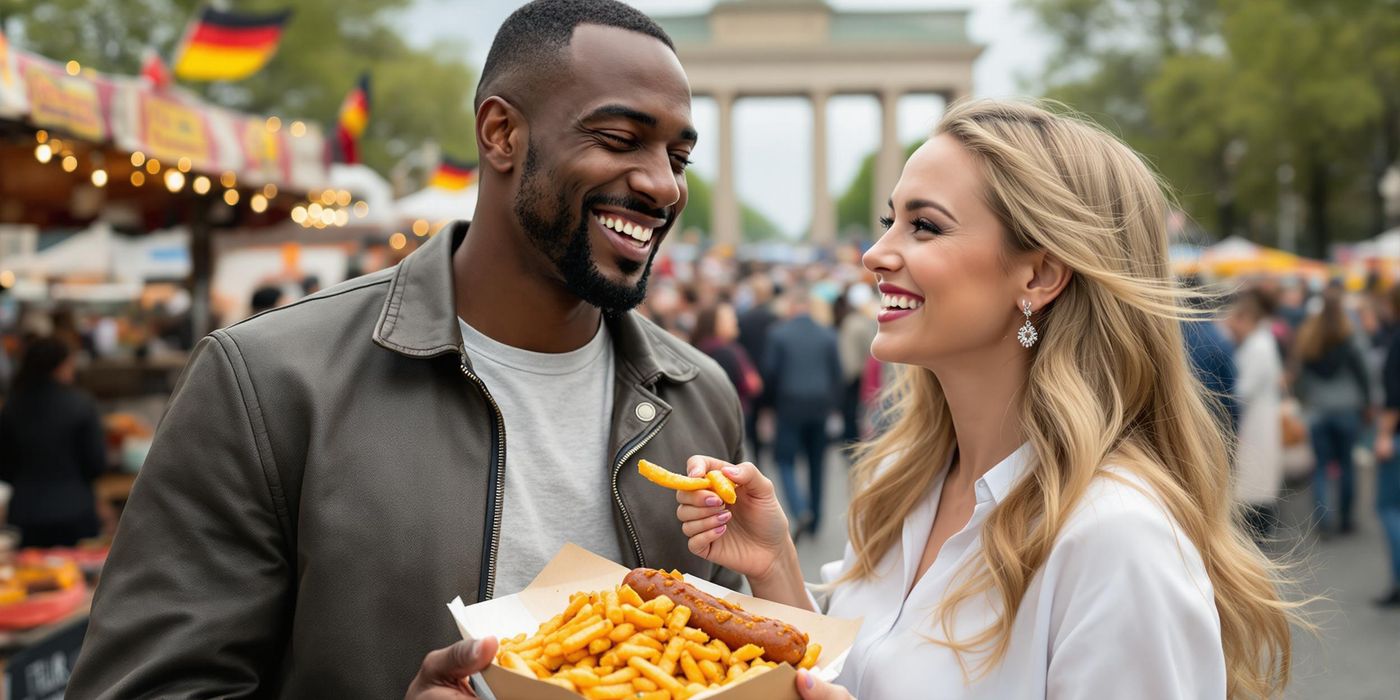
Hey everyone, Joseph here! Lena and I are always on the lookout for experiences that truly immerse us in a culture. What better way to do that than through festivals? We've found that planning our trips around these vibrant celebrations adds a whole new dimension to our travels. Let's dive into how you can do the same!
Introduction: The Allure of Cultural Festivals
For Lena and me, cultural festivals are more than just events; they're portals. Portals into the heart of a community, offering a front-row seat to traditions passed down through generations. It’s about witnessing firsthand the values, artistic expressions, and unique stories woven into the fabric of a place. Forget the typical tourist traps; festivals offer personal enrichment that no postcard can capture. They broaden our perspectives, challenge our assumptions, and leave us with lasting memories. Plus, who doesn’t love a good celebration?
Timing is Everything: Aligning Your Travel with Festival Dates
Trust me on this one – timing is absolutely crucial. You can’t just show up and expect to stumble upon a major cultural festival. These events often happen on specific dates, sometimes tied to lunar cycles or historical anniversaries. Missing the date means missing the whole shebang! We’ve learned the hard way that planning well in advance is key. Start by researching potential festivals that pique your interest. Once you have a list, dig into confirming the exact dates. Don’t rely solely on one source; festival schedules can shift from year to year. Check official websites, local tourism boards, and even travel communities. A little extra effort can save you from major disappointment.
Destination Deep Dive: Researching Festival Locations and Significance
Beyond the dates, understanding the location and significance of a festival is vital. It’s not just about knowing where to go, but why the festival is celebrated there. What’s the historical context? Are there religious connections? What’s the social importance to the local community? This knowledge enriches the experience tenfold. Lena, with her architect's eye for detail, always dives into the history of the locations we visit. I usually hit up the local libraries, cultural centers, and even academic resources online. Understanding the ‘why’ behind the celebration makes it so much more meaningful.
Accommodation and Logistics: Booking Smart and Staying Safe
Once you've locked down the dates and understand the festival’s significance, it’s time to tackle the logistics. Accommodation and transportation are your next big hurdles, especially since popular festivals draw huge crowds. Booking well in advance is not just recommended; it’s essential! Explore your options – hotels, guesthouses, homestays – and choose what suits your budget and travel style. We often opt for smaller, locally-owned guesthouses to get a more authentic feel. And don’t forget about safety. Be aware of your surroundings, secure your belongings, and always respect local laws and customs. A little common sense goes a long way.
Cultural Etiquette: Respecting Traditions and Customs
Speaking of respect, cultural etiquette is paramount. Remember, you're a guest in someone else’s home. Before you go, learn about the local traditions and customs. What’s considered appropriate attire? Are there specific behaviors to avoid? How should you interact with locals? Learning a few basic phrases in the local language shows respect and can open doors to deeper connections. Be mindful of cultural sensitivities and avoid making assumptions. We always try to be observers first, participants second, ensuring we're not unintentionally causing offense.
Culinary Adventures: Exploring Local Food and Drink
For me, no cultural experience is complete without exploring the local cuisine. Food and drink are integral parts of many festivals, offering a delicious window into the local culture. Be adventurous! Try traditional dishes and beverages associated with the festival or region. Ask locals for recommendations – they know the best hidden gems. Of course, be mindful of food safety and hygiene, especially when eating street food. I usually look for stalls with long lines of locals; that’s generally a good sign of quality and freshness.
Capturing Memories: Photography and Documentation
I love capturing memories through photography, and festivals are a photographer’s dream. However, it’s crucial to be respectful. Always ask for permission before photographing individuals, especially in sacred spaces. Be mindful of cultural sensitivities and avoid disrupting the event with your camera. Beyond photos, consider documenting your experiences through journaling or blogging. Share your insights, perspectives, and personal reflections. It’s a great way to relive the memories and connect with other travelers.
Health and Preparedness: Ensuring a Smooth Journey
Last but not least, don’t forget about health and preparedness. Before you travel, check for necessary vaccinations and health precautions. Pack a basic first-aid kit with essentials like bandages, antiseptic wipes, and pain relievers. If you take any prescription medications, make sure you have enough to last the entire trip. Purchasing travel insurance is also a smart move, covering unexpected medical expenses or emergencies. A little preparation can go a long way in ensuring a smooth and enjoyable journey.
Planning trips around cultural festivals offers immersive experiences. Learn about timing, locations, respect for traditions, and more for memorable travels.