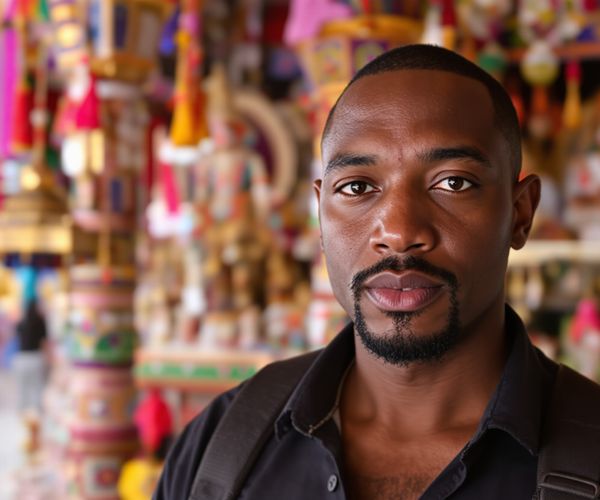
Hey everyone, Joseph here! As a Cameroonian now living in Berlin, I've always been fascinated by the beautiful tapestry of global cultures. My wife, Lena, and I love exploring new countries, but we've learned that a successful trip is about more than just seeing the sights. It's about understanding and respecting the local customs. Over the years, we've picked up a few tips and tricks for navigating cultural etiquette, and I'm excited to share them with you!
Greetings Around the World: Beyond a Handshake
We all know the standard handshake, right? But step outside your comfort zone, and you'll find a whole world of greetings! In Japan and South Korea, a bow is the norm. The depth of the bow signifies respect, so pay attention to your surroundings and follow the lead of locals. When Lena and I were in France, we quickly learned about cheek kissing – or la bise – but figuring out how many kisses and which cheek to start with felt like a secret code! It varies by region, so do your research beforehand or just observe what others are doing.
Then there's the Maori hongi in New Zealand, where you press noses and share breath – a deeply symbolic gesture of connection. In India and Nepal, you'll often hear Namaste, accompanied by a slight bow and hands pressed together, a sign of respect and gratitude. And for something truly unique, consider the thumb kiss in Oman or, if you ever find yourself in Tibet, sticking out your tongue (though maybe save that one for Tibet!). The key takeaway? Research! A little effort beforehand can save you from potential embarrassment and show locals that you care about their culture.
Dining Etiquette: A Guide to Table Manners Worldwide
Food is such a central part of any culture, and dining etiquette can be a minefield if you're not prepared. In many Asian countries, chopsticks are the utensil of choice, but the rules surrounding their use can be strict. In Japan, never stick your chopsticks upright in your rice bowl, as this resembles a funeral ritual. Meanwhile, in India and parts of Africa, eating with your right hand is customary, as the left hand is considered unclean. Lena almost made that mistake during our trip to Morocco!
Interestingly, in some parts of China, burping after a meal is seen as a compliment to the chef, signifying that you enjoyed the food. In contrast, finishing every last morsel on your plate in India is considered polite, while leaving a little bit in China indicates that your host has provided generously. And don't even think about ordering a milky coffee after 11 am in Italy – it's just not done! Finally, tipping customs vary wildly around the globe. In some countries, it's expected; in others, it's considered rude, and in still others, it's already included in the bill. Always check beforehand to avoid any awkwardness.
Navigating Social Norms: Avoiding Offense and Building Connections
Beyond greetings and dining, understanding general social norms is crucial for respectful travel. Respect for religious beliefs is paramount. For example, removing your shoes before entering a Hindu temple is a must. Similarly, be mindful of dress codes when visiting religious sites or more conservative areas. Shoulders and knees should generally be covered.
Hand gestures can also be tricky. The thumbs-up, which we consider positive, is offensive in Turkey. And pointing with your index finger is considered rude in Malaysia. Maintaining appropriate personal space is also important; what's considered normal in Berlin might feel intrusive in Japan. Learning a few basic phrases in the local language can go a long way in showing respect and building connections. Even a simple hello or thank you can make a big difference. In many cultures, particularly in Asia and Africa, respecting elders is highly valued. Defer to them in conversations and offer assistance when needed. Finally, always be mindful of photography restrictions and ask for permission before taking photos of people, especially in sensitive areas.
A comprehensive guide to understanding and respecting cultural differences while traveling, including tips on greetings, dining etiquette, and social norms.