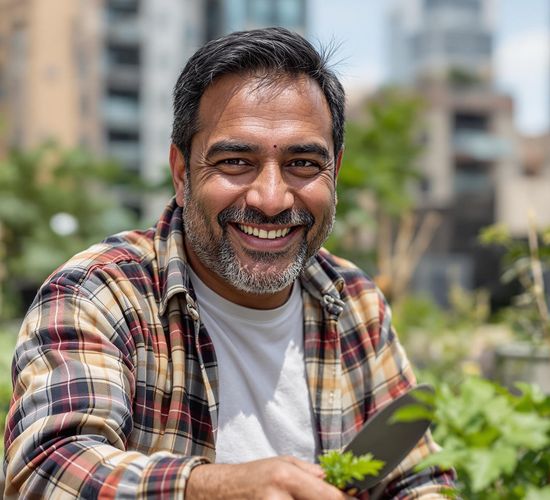
As a Peruvian immigrant living in Montreal, I, Juan Quispe, know firsthand the challenges and rewards of navigating different languages. Traveling opens up a world of new experiences, but sometimes a language barrier can feel like an insurmountable wall. However, with a bit of preparation and a positive attitude, you can transform these challenges into opportunities for deeper connection and cultural understanding. Here are some tips I've learned over the years to help you navigate language barriers and make the most of your travels.
Embracing the Challenge: Why Language Barriers Can Enhance Travel
It might sound counterintuitive, but language barriers can actually enhance your travel experiences. When you can't rely solely on verbal communication, you become more attuned to non-verbal cues, cultural nuances, and the simple act of connecting with others on a human level. It forces you to be more present, observant, and resourceful.
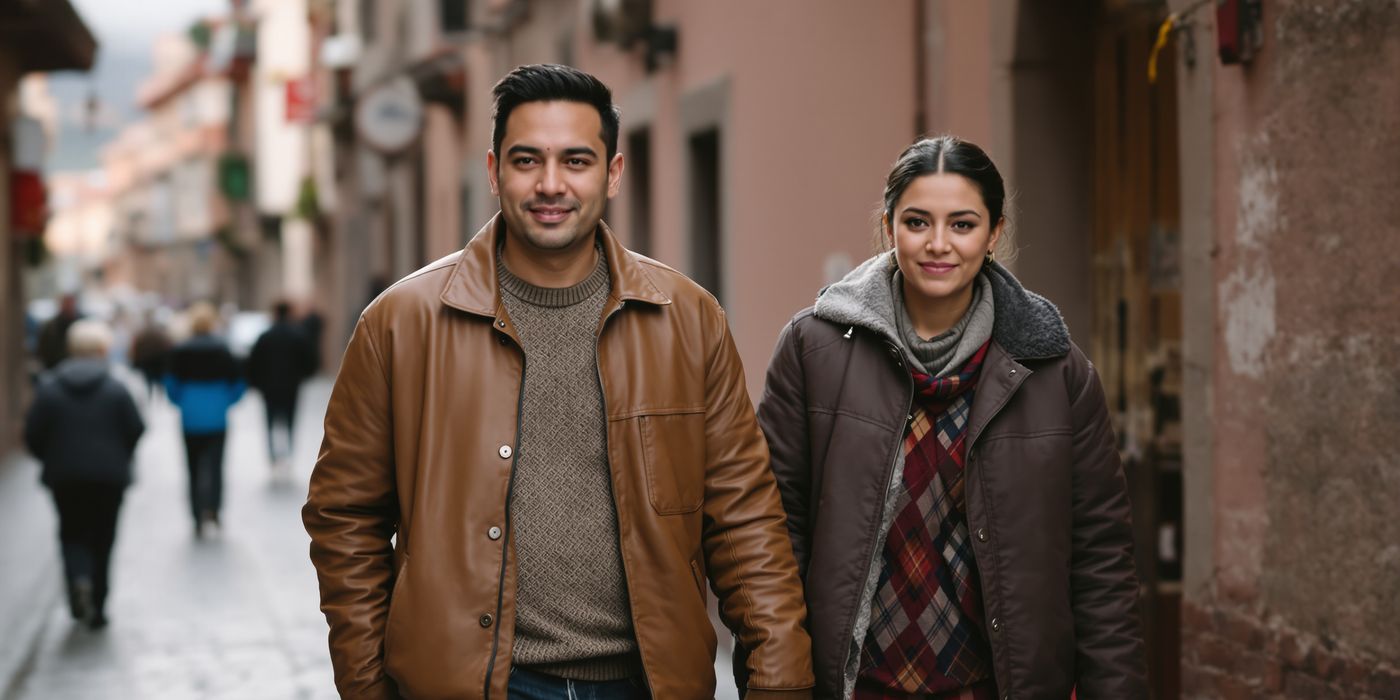
I remember once in Cusco, Peru, I was trying to find a specific artisan known for their intricate weaving. My Spanish wasn't as fluent then, and I struggled to explain who I was looking for. After several attempts, a local woman, understanding my struggle, took my hand and led me through a maze of narrow streets to the artisan's workshop. We didn't exchange many words, but her kindness and willingness to help transcended any language barrier. It was a truly memorable experience that wouldn't have happened if I had simply relied on speaking the language perfectly.
Essential Phrases: Your Linguistic Toolkit
Before you embark on your journey, arm yourself with a few essential phrases in the local language. Knowing how to say hello, please, thank you, and excuse me can go a long way in showing respect and building rapport.
Here are a few examples, with phonetic pronunciations to help you along:
- Hello: Hola (O-la) / Bonjour (Bon-zhoor)
- Please: Por favor (Por fa-vor) / S'il vous plaît (See voo প্লে)
- Thank you: Gracias (Gra-thee-as) / Merci (Mer-see)
- Excuse me: Con permiso (Con per-mee-so) / Excusez-moi (Ex-kew-zay mwa)
- Do you speak English/Spanish?: ¿Habla inglés/español? (A-bla in-gles/es-pan-yol?) / Parlez-vous anglais/espagnol? (Par-lay voo on-glay/es-pan-yol?)
Also, learn some basic questions such as:
- Where is…?: ¿Dónde está…? (Don-de es-ta…?)
- How much does it cost?: ¿Cuánto cuesta? (Kwan-to kwes-ta?)
- Can you help me?: ¿Puede ayudarme? (Pway-de a-yu-dar-me?)
Tech to the Rescue: Translation Apps and Devices
In today's world, technology can be a lifesaver when facing language barriers. Translation apps have become incredibly sophisticated, offering real-time assistance with spoken and written language. Many apps, like Google Translate and DeepL, even have offline translation capabilities, which can be invaluable when you don't have access to the internet.
Google Translate, for example, allows you to translate text, speech, and even images. Simply point your camera at a sign or menu, and the app will translate it for you. DeepL is known for its accuracy and nuanced translations, making it a great option for more complex conversations.
However, it's important to remember that technology is a tool, not a replacement for human interaction. While translation apps can be incredibly convenient, relying solely on them can limit your opportunities for genuine connection and cultural immersion. Use them as a supplement, but don't be afraid to try communicating in other ways as well.
Beyond Words: Non-Verbal Communication
Communication is so much more than just words. Body language, gestures, and facial expressions can convey a wealth of information, even when you don't speak the same language. A smile, a nod, or a simple hand gesture can often bridge the gap and create a connection.
However, it's important to be aware of cultural differences in non-verbal communication. What might be considered polite in one culture could be offensive in another. For example, maintaining eye contact is generally seen as a sign of respect in Western cultures, but in some Asian cultures, it can be considered rude or aggressive. Researching these nuances beforehand can help you avoid misunderstandings and show respect for local customs.
Visual aids like maps and drawings can also be incredibly helpful. If you're trying to ask for directions, pointing to a map or drawing a simple picture can often get your message across more effectively than words alone.
Pre-Trip Prep: Language Learning Resources
Even a little bit of language learning before your trip can make a big difference. There are countless language learning apps and online courses available, catering to different learning styles and budgets. Duolingo, Babbel, and Memrise are all popular options that offer gamified lessons and interactive exercises.
Focus on travel-related vocabulary and phrases, such as how to order food, ask for directions, and make purchases. Even if you only learn a few basic phrases, it will show that you're making an effort to connect with the local culture, which will be greatly appreciated.
Try to incorporate language learning into your daily routine. Listen to language learning podcasts during your commute, watch foreign films with subtitles, or practice with a language exchange partner online. The more you immerse yourself in the language, the more confident you'll feel when you arrive at your destination.
Cultural Sensitivity: Respecting Local Customs
Learning a few phrases is just one aspect of navigating language barriers. It's also crucial to be mindful of local customs and traditions. Researching the cultural norms of your destination beforehand can help you avoid misunderstandings and show respect for the local people.
For example, in some cultures, it's customary to remove your shoes before entering someone's home. In others, it's considered impolite to use your left hand when eating or giving gifts. Being aware of these customs and making an effort to follow them will demonstrate your respect and willingness to learn.
Remember that you are a guest in their country, and it's important to be mindful of your behavior and avoid making assumptions. Observe how locals interact with each other and try to follow their lead. A little bit of research and a genuine desire to understand can go a long way in building positive relationships and creating a more enriching travel experience.
Embracing Imperfection: It's Okay to Make Mistakes
Finally, remember that it's okay to make mistakes. Language learning is a process, and everyone makes errors along the way. Don't be afraid to try speaking, even if you're not sure you're saying it correctly. Most people will appreciate your effort and be happy to help you.
I remember when I first arrived in Montreal, my French was terrible. I once tried to order a croissant at a bakery and accidentally asked for a cross-eyed (borgne) instead. The baker looked at me with confusion, and I realized my mistake. We both burst out laughing, and he kindly corrected my pronunciation. It was an embarrassing moment, but it taught me to laugh at myself and not be afraid to make mistakes. It's through these experiences that we learn and grow.
So, embrace the challenges, learn a few phrases, and don't be afraid to put yourself out there. You might be surprised at how much you can connect with people, even without speaking the same language perfectly. Happy travels!
Overcome language barriers while traveling. Practical tips, essential phrases, and tech solutions for effective communication and cultural understanding.