From the bustling markets of Marrakech to the serene temples of Kyoto, the world is a tapestry woven with diverse cultures, each offering a unique story waiting to be discovered. As an archivist specializing in African history, I've always been fascinated by the power of cultural exchange and the profound impact it can have on our understanding of the world. My travels with my family have reinforced this belief, teaching me that true exploration goes beyond ticking off famous landmarks; it's about immersing yourself in the local way of life, respecting traditions, and connecting with the people who call these places home.
Embrace the Local Language
One of the most rewarding ways to connect with a culture is through its language. You don't need to become fluent, but learning a few basic phrases can make a world of difference. Simple greetings like 'hello' ('habari' in Swahili), 'please' ('tafadhali'), and 'thank you' ('asante') can open doors to genuine interactions and demonstrate your respect for the local people.
I remember once, while visiting a small village near Mpwapwa, my birthplace in Tanzania, I attempted to converse with an elderly woman in Swahili. My pronunciation was far from perfect, and I stumbled over some of the words, but the genuine smile that spread across her face and the warmth in her reply made the effort more than worthwhile. We shared stories, laughter, and a moment of true connection that transcended the limitations of my linguistic skills. It was a powerful reminder that language is more than just words; it's a bridge that connects hearts and cultures.
Respecting Local Customs and Traditions
Before embarking on any journey, it's crucial to research the local customs, etiquette, and traditions of your destination. This is especially important when visiting religious or sacred sites. Understanding and respecting these customs demonstrates your openness to learning and your appreciation for the culture.
Dress codes, for example, can vary significantly from one place to another. In some cultures, it's considered respectful to dress modestly, covering your shoulders and knees, particularly when visiting religious sites. In others, removing your shoes before entering a home or temple is a sign of respect. Simple gestures like these can go a long way in building trust and fostering positive interactions.
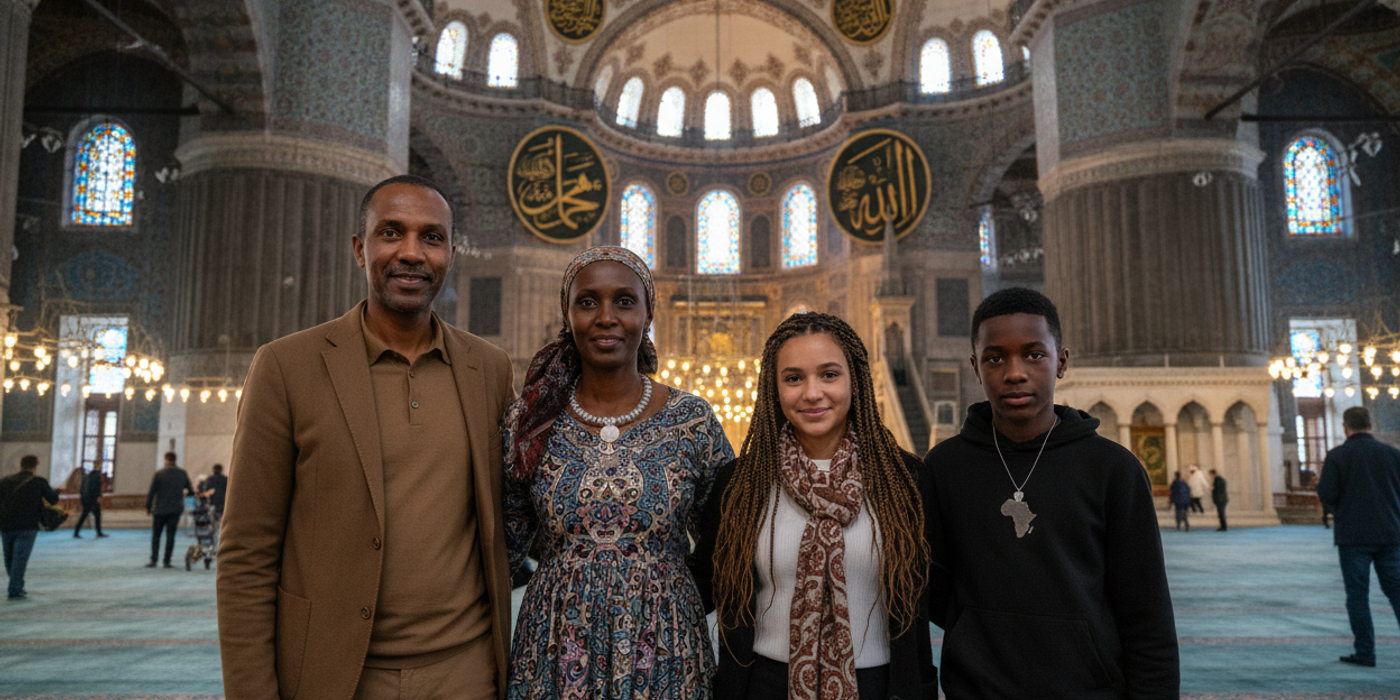
During a visit to a mosque in Istanbul with Aisha and the children, I made sure we were all dressed appropriately, with Aisha and Farah covering their heads. Observing this simple custom allowed us to enter the mosque with respect and be welcomed by the local community. It was a powerful lesson for my children in the importance of cultural sensitivity and the rewards of showing respect for different traditions.
Indulge in Local Cuisine
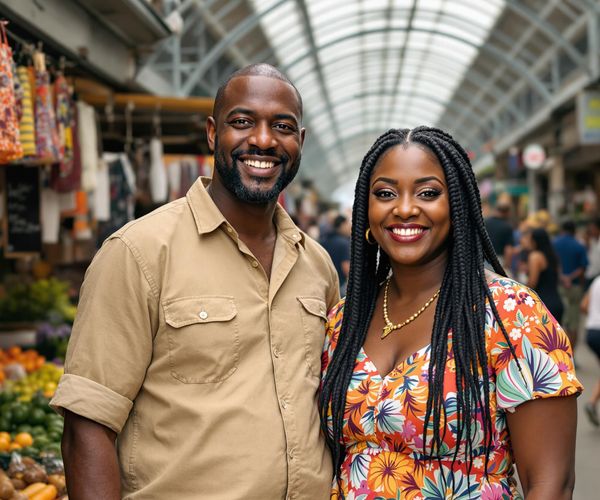
Food is an integral part of any culture, and actively immersing yourself in local cuisine is an essential aspect of cultural exploration. Ditch the familiar fast-food chains and venture into local markets, street food stalls, and family-run restaurants to savor the authentic flavors of your destination.
Don't be afraid to try new things, even if they seem a little unusual at first. Ask locals for recommendations and be open to experiencing the culinary traditions of the region. Consider taking a cooking class to learn about the cultural significance of the ingredients and cooking methods. It's a fantastic way to gain a deeper understanding of the local culture and connect with the people who create these culinary masterpieces.
One of my most memorable culinary experiences was taking a cooking class in Marrakech. I learned how to prepare tagine, a traditional Moroccan stew, and discovered the importance of spices like saffron and cumin in Moroccan cuisine. The experience not only tantalized my taste buds but also provided valuable insights into the cultural heritage of Morocco.
Engage with Local Communities
Instead of isolating yourself in tourist-centric hotels, consider staying in homestays or guesthouses run by local families. This provides a unique opportunity to interact with local residents, learn about their daily lives, and gain a deeper understanding of their culture. Participate in community events, festivals, or workshops to meet locals and forge meaningful connections.
I remember attending a local music festival in Zanzibar with my family. We danced to the rhythm of traditional Taarab music, shared stories with local musicians, and felt a sense of belonging that we wouldn't have experienced in a typical tourist setting. These interactions allowed us to connect with the community on a deeper level and gain a more authentic understanding of Zanzibari culture.
Explore Beyond Tourist Attractions
While iconic landmarks are undoubtedly worth visiting, venturing beyond the typical tourist spots can lead to unexpected discoveries and a deeper understanding of the local way of life. Explore local markets, parks, and neighborhoods to experience the everyday rhythms of the community.
Get lost in the maze-like streets of a medina, wander through a vibrant farmers market, or simply sit on a park bench and observe the interactions of the local people. These seemingly mundane experiences can offer profound insights into the culture and character of a place.
During a trip to Buenos Aires, I decided to ditch the tourist map and simply wander through the San Telmo neighborhood. I stumbled upon a hidden tango club, a quaint antique shop, and a lively street fair. These unexpected discoveries provided a glimpse into the soul of Buenos Aires that I wouldn't have found in any guidebook.
Be Mindful and Respectful
Ultimately, immersing yourself in local cultures requires a mindful and respectful approach. Be observant, avoid stereotypes, and show genuine interest in the local culture. Put away your phone and engage with the world around you. Ask questions, listen attentively, and be open to learning from those who call this place home.
Remember that you are a guest in their home, and your behavior should reflect that. By being a respectful and mindful traveler, you can create positive interactions, build bridges of understanding, and enrich your own travel experience in ways you never imagined.
I recall one instance in Kyoto where I was so engrossed in taking photos that I almost bumped into an elderly woman. I immediately apologized profusely and bowed deeply, a gesture I had learned was a sign of respect in Japanese culture. The woman smiled kindly and offered me a small origami crane, a symbol of peace and longevity. That simple act of kindness taught me the importance of being present and respectful in every interaction, no matter how fleeting.
Discover ways to authentically engage with local cultures during your travels, enhancing your experience and understanding of the world.