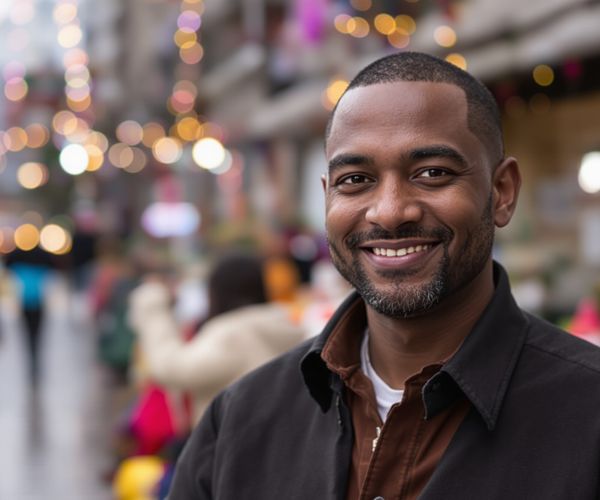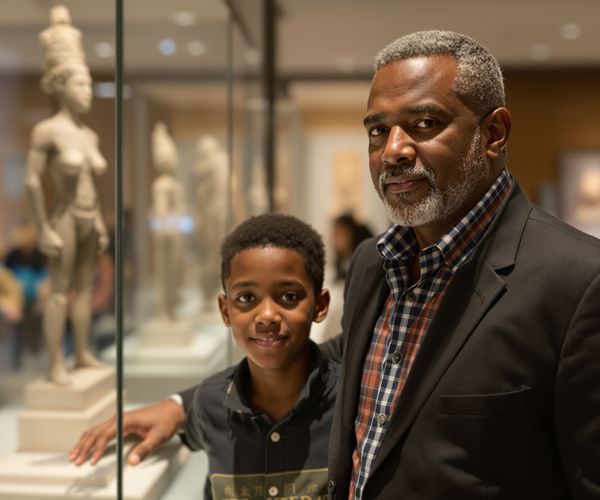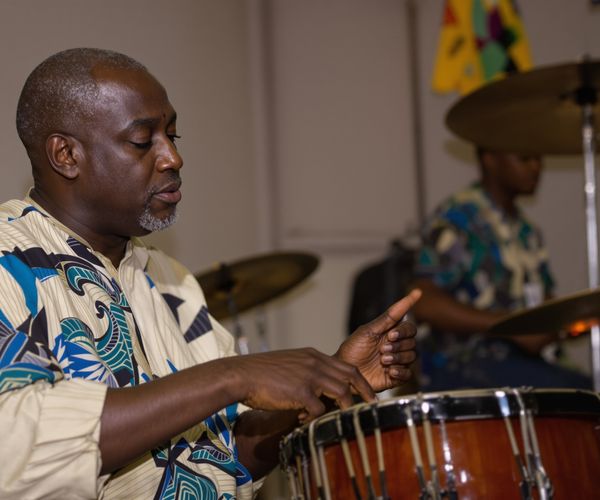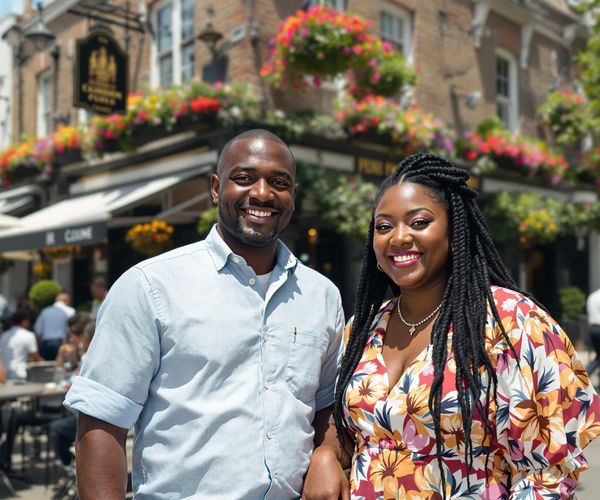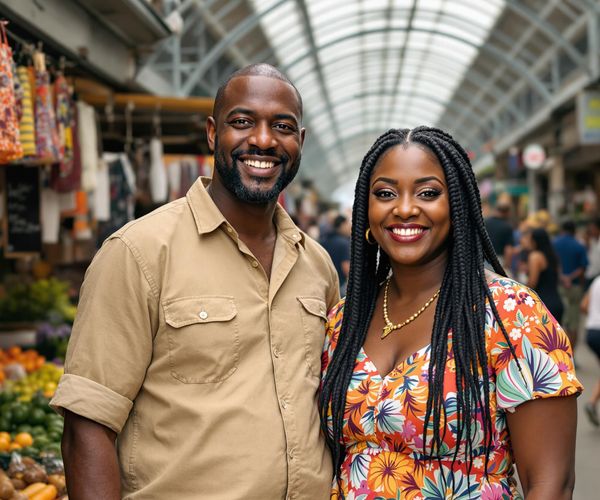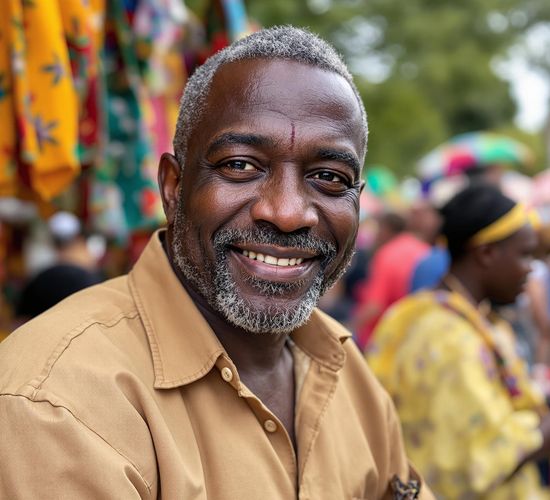
From the vibrant streets of Rio de Janeiro to the colorful celebrations of Holi in India, festivals have always held a special place in my heart. As an archivist specializing in African history, I've come to appreciate the profound role these events play in fostering cultural exchange and understanding. My travels, often with my family, have been enriched immeasurably by the opportunity to participate in and observe these unique expressions of human heritage. Let me share some insights gleaned from my experiences.
Festivals as Bridges to Cultural Understanding
Festivals are more than just celebrations; they are gateways to experiencing and understanding different cultures. They showcase unique traditions, music, dance, food, and rituals that offer a glimpse into the soul of a community. Whether it's the rhythmic beats of samba during Carnival or the intricate patterns of henna during Diwali, each element tells a story, revealing the values, beliefs, and history of a people.
I've always found that festivals provide invaluable opportunities for individuals from diverse backgrounds to engage with one another, breaking down barriers and fostering mutual understanding. In London, I've seen how the Notting Hill Carnival, with its Caribbean roots, brings together people from all walks of life to celebrate diversity and community. These interactions, whether through sharing a meal, dancing together, or simply exchanging stories, create lasting connections and broaden our perspectives.
Notable Festivals Around the World and Their Cultural Contexts
Many festivals around the world celebrate specific cultural identities and traditions. Take Diwali in India, for example, a celebration of light over darkness and good over evil. The lighting of diyas (oil lamps), the exchange of sweets, and the vibrant firework displays symbolize hope and renewal. Participating in Diwali, even in a small way, offers a profound understanding of Hindu philosophy and the importance of community.
Then there's Carnival in Rio de Janeiro, Brazil, known for its vibrant parades and samba music. This festival is a riot of color, music, and dance, reflecting the Afro-Brazilian heritage and the spirit of resilience and joy that characterizes the Brazilian people. To witness the elaborate costumes and the infectious energy of the samba schools is to experience the heart of Brazilian culture.
And who could forget Holi in India, a joyous celebration marking the arrival of spring with colored powders? This festival is a time for forgiveness, reconciliation, and letting go of inhibitions. Throwing colored powder on friends and strangers alike is a symbolic act of unity and equality, blurring social boundaries and celebrating the shared human experience.
The Significance of Active Participation
While observing festivals can be enlightening, active participation is essential for truly understanding and appreciating a culture. Engaging directly with the culture deepens understanding and creates lasting memories. Whether it's learning a few basic dance steps, trying local cuisine, or participating in a traditional ritual, every interaction enriches the experience.
I recall attending a Maasai cultural festival in Tanzania where I was invited to join in a traditional dance. Despite my initial hesitation, I found myself swept up in the rhythm and energy of the music, connecting with the community in a way that would not have been possible as a mere observer. These are the moments that stay with you long after the festival is over.
Learning basic phrases in the local language is also a sign of respect and can greatly enhance your interactions with locals. Even a simple hello or thank you can go a long way in building rapport and showing that you are genuinely interested in their culture.
Tips for Respectful Engagement
Respectful participation is key to ensuring that festivals remain authentic and meaningful for both locals and visitors. It's important to research local customs and etiquette beforehand to avoid unintentionally causing offense. Being mindful of dress codes and personal space is also crucial.
Seeking permission before taking photographs is essential, especially when photographing individuals. Avoid intrusive shots and be sensitive to the privacy of others. Remember that you are a guest in their community, and it's important to treat their traditions and customs with respect.
The Role of Festivals in Promoting Inclusivity and Community Bonds
Festivals promote inclusivity by welcoming people from diverse backgrounds to participate and celebrate together. They strengthen community bonds by bringing people together and fostering a sense of belonging. Whether it's a small village festival or a large-scale international event, festivals create a space for people to connect, share experiences, and build relationships.
Moreover, festivals can stimulate local economies by attracting tourists and supporting local businesses. By showcasing local crafts, cuisine, and talent, festivals provide opportunities for communities to generate income and preserve their cultural heritage. Supporting these initiatives is a way of giving back to the community and ensuring the sustainability of these cultural treasures.
Explore the role of festivals in cultural exchange, with insights on enhancing travel experiences through respectful participation and engagement in global celebrations.