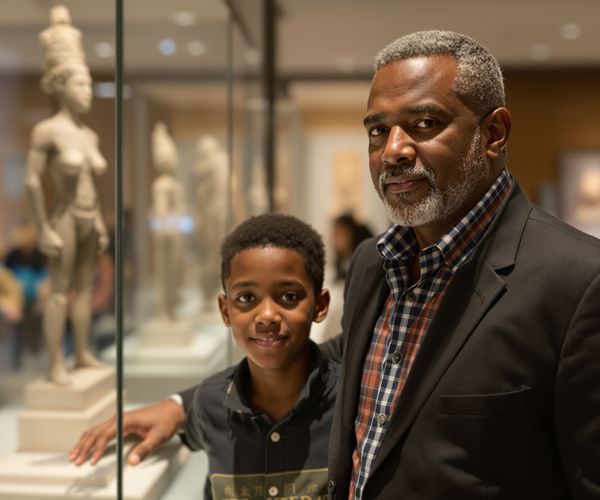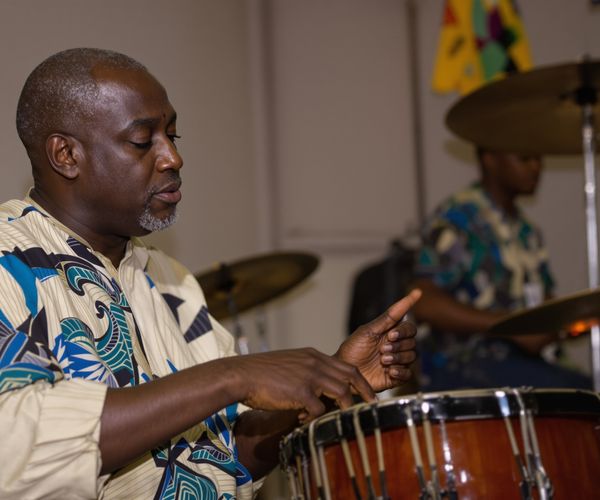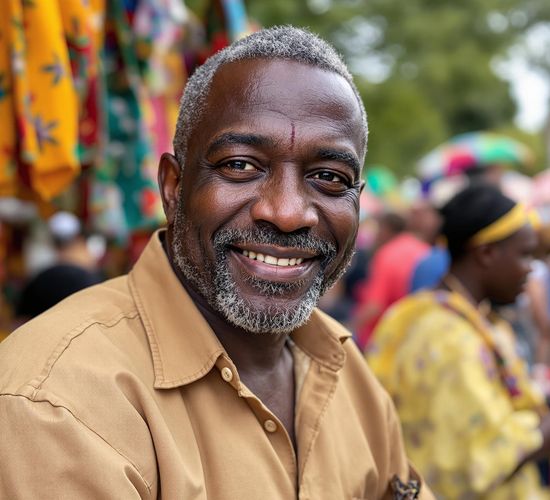
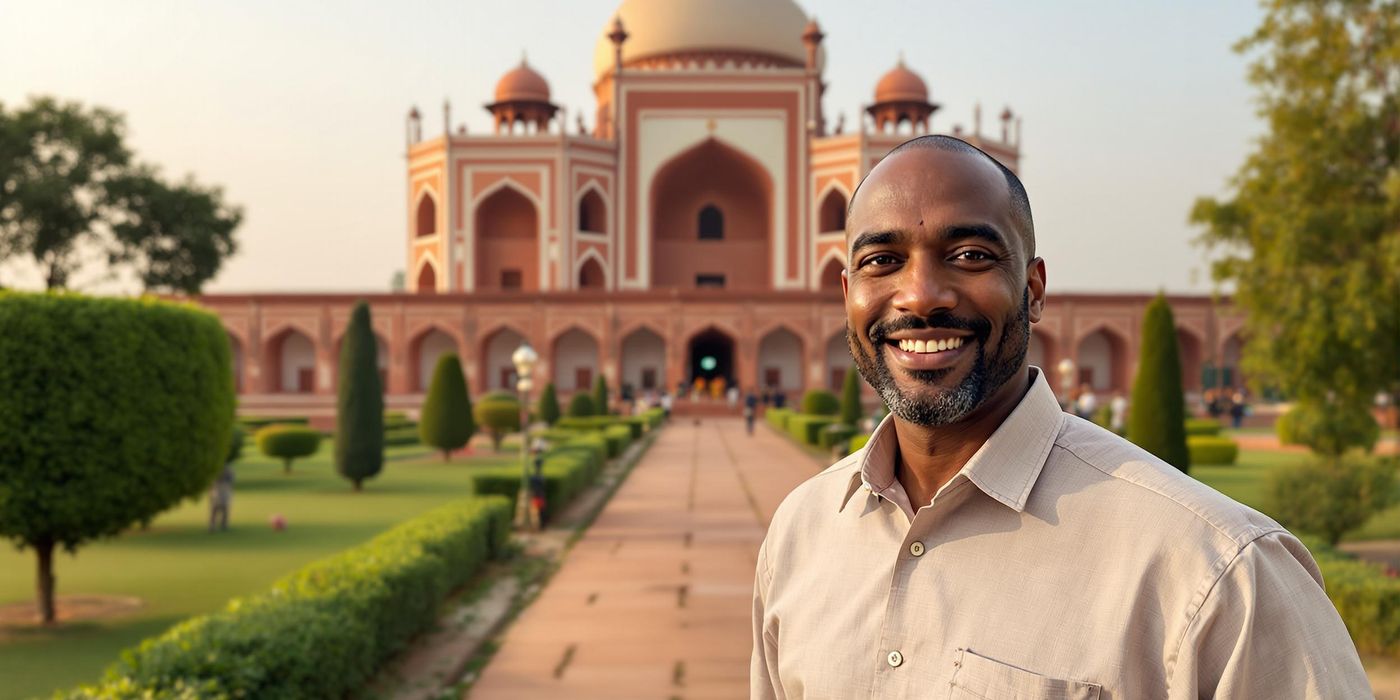
As an archivist specializing in African history, I've always been drawn to the power of images to tell stories and preserve cultural heritage. Photography, when approached with respect and mindfulness, can be a powerful tool for documenting and sharing the richness of human traditions. Join me as I share some tips I've learned on my journeys, aiming to help you capture authentic and meaningful cultural moments through your lens.
Understanding Cultural Sensitivity and Respect
Before you even pick up your camera, it's crucial to understand the cultural context of the place you're visiting. Take the time to research local customs, traditions, and beliefs related to photography. Some communities may have restrictions on photographing certain ceremonies, individuals, or sacred sites. Remember, you are a guest, and respecting their wishes is paramount.
Always seek permission before photographing individuals, especially in intimate or private settings. Engaging with local communities and building rapport can lead to more authentic and meaningful interactions. A simple conversation can go a long way in showing respect and building trust. Think about the potential impact of your images and strive to avoid stereotypes or misrepresentations. Ethical considerations, such as obtaining consent and respecting privacy, should always be at the forefront of your mind.
Mastering Composition for Cultural Storytelling
Composition is key to creating visually compelling images that tell a story. Use framing to highlight cultural elements, such as traditional architecture, clothing, or artifacts. The rule of thirds can help you create balanced and dynamic images by placing key subjects off-center. Leading lines can draw the viewer's eye into the scene and create a sense of depth.
Don't be afraid to experiment with different perspectives and angles to find unique and interesting compositions. Incorporate local elements, such as natural landscapes or everyday objects, to add depth and authenticity to your images. For example, when photographing a traditional dance, try capturing the dancers against the backdrop of their natural environment or including elements of the local architecture in the frame.
Leveraging Light to Enhance Cultural Details
Light plays a crucial role in photography, and understanding how to use it effectively can greatly enhance your images. The golden hour, the period shortly after sunrise and before sunset, offers warm, soft light that can create magical moments. Diffused daylight is ideal for capturing accurate color rendering and revealing subtle details.
Pay attention to how light interacts with textures and details, as this can add depth and dimension to your images. Adjust your white balance to counteract any color shifts caused by artificial lighting or overcast skies. Be prepared to deal with challenging lighting conditions, especially in indoor ceremonies or dimly lit spaces. A tripod can be invaluable for capturing sharp images in low light.
Technical Tips for Documenting Cultural Heritage
Choosing the right camera and lenses can make a significant difference in the quality of your cultural photography. A versatile zoom lens can be useful for capturing both wide-angle scenes and close-up details. Adjust your camera settings, such as aperture, shutter speed, and ISO, to suit the specific shooting conditions.
Use a tripod to ensure stability and sharpness, especially when shooting in low light or using long exposures. Shooting in RAW format allows you to capture maximum image quality and retain more flexibility in post-processing. Employ macro photography techniques to capture intricate details, such as the patterns on a traditional textile or the carvings on a historical artifact.
Sharing Your Vision Responsibly
Once you've captured your images, consider sharing them with the local community. This can be a meaningful way to give back and show your appreciation for their culture. Use your photos to promote cultural awareness and understanding, challenging stereotypes and celebrating diversity.
Be mindful of digital sovereignty and respect the rights of communities to control their own digital representation. Avoid commercial exploitation of cultural images without proper authorization. When sharing your photos online, add detailed metadata to provide context and information about the cultural heritage you've captured. This can help educate viewers and promote a deeper understanding of the subject matter.
Capture authentic cultural moments through mindful photography. Learn to respect traditions, master composition, and use light effectively to tell compelling stories.