
Family travel, for Aisha and me, isn't just about ticking off destinations on a map. It's about weaving shared experiences into the fabric of our family, creating memories that will resonate for years to come. With Farah and Imani growing up so quickly, these moments become even more precious. The key, we've found, is finding that sweet spot where cultural exploration meets genuine quality time.
The Allure of Family Travel
There's a unique magic to family travel. It's more than just a vacation; it's an investment in our relationships. When we explore new places together, we're not just seeing the sights; we're seeing the world through each other's eyes. These shared experiences etch themselves into our collective memory, becoming stories we'll retell around the dinner table for years to come.
For Aisha and me, exposing Farah and Imani to different cultures is paramount. It broadens their perspectives, fosters empathy, and ignites a curiosity about the world beyond their own. It’s a classroom without walls, where history comes alive, and geography becomes a personal journey. Moreover, travel provides a much-needed respite from our daily routines. It allows us to disconnect from the digital world and reconnect with each other, fostering creativity and a sense of adventure.
Involving Everyone in the Planning Process
One of the most important lessons we've learned is the power of involving Farah and Imani in the planning process. It’s not just about dictating where we're going; it’s about creating a sense of ownership and excitement for the trip. We’ve found that when the kids have a say, they’re far more engaged and invested in the experience.
We assign age-appropriate tasks to each family member. Farah, with her keen eye for aesthetics, often researches potential destinations and creates mood boards. Imani, being our resident tech whiz, is in charge of finding interesting activities and mapping out our routes. Aisha and I handle the logistical aspects, such as booking flights and accommodations, while ensuring everyone's preferences are considered.
I recall our trip to Zanzibar a few years ago. Initially, I was set on visiting historical sites, wanting to immerse the family in the island's rich past. However, Farah passionately advocated for exploring the spice farms, driven by her interest in culinary arts. Imani, on the other hand, was captivated by the prospect of snorkeling in the crystal-clear waters. By incorporating everyone's interests, we created an itinerary that was both enriching and enjoyable for all of us. We use online collaborative tools to share ideas, create itineraries, and vote on activities. Family meetings, where everyone can voice their opinions and concerns, are also crucial. This collaborative approach ensures that our vacations are truly a family affair.
Crafting a Family-Friendly Itinerary
Crafting the perfect family-friendly itinerary is an art form. It requires careful consideration of everyone's age, interests, and energy levels. When selecting destinations, we look for places that offer a diverse range of activities that cater to different age groups. For instance, a city like Rome provides a wealth of historical sites for me, art museums for Aisha and Farah, and plenty of gelato shops for Imani.
Balancing structured activities with free time is also essential. While we appreciate the value of guided tours and organized excursions, we also recognize the importance of allowing for spontaneous exploration. Sometimes, the most memorable moments happen when we simply wander through a local market or stumble upon a hidden gem.
Incorporating cultural learning opportunities is a key element of our itineraries. We make it a point to visit historical sites, attend local festivals, and sample regional cuisine. For example, during our trip to Kyoto, we participated in a traditional tea ceremony, learned the art of calligraphy, and explored the serene Zen gardens. These experiences not only broadened our understanding of Japanese culture but also created lasting memories that we cherish.
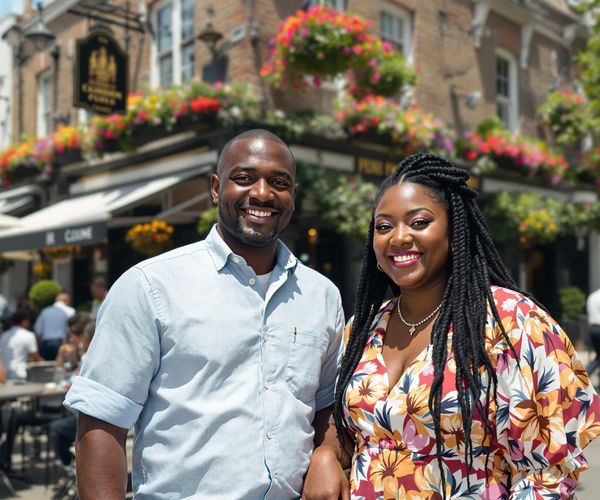
Our trip to the Cotswolds in England is another great example. We balanced visits to historical castles and charming villages with leisurely hikes in the countryside. We also made time for traditional afternoon tea, which was a hit with everyone, especially Farah, who has a sweet tooth. The key is to find activities that appeal to everyone, while also allowing for individual interests to be pursued.
Finding Activities for All Ages
Finding activities that appeal to both teenagers and younger children can be a challenge, but it's not impossible. The key is to think outside the box and be willing to compromise. We’ve discovered that mixing active adventures with more relaxed cultural experiences is a winning formula. For example, a day of hiking in the mountains can be followed by an afternoon spent exploring a local museum.
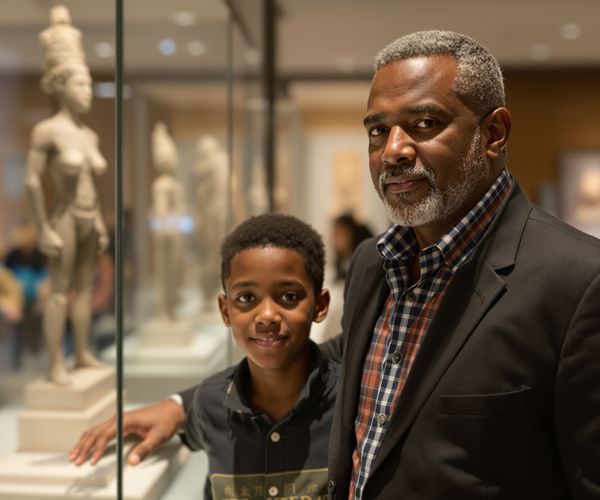
Museum visits have been surprisingly popular with both Farah and Imani, especially when we choose museums that are interactive and engaging. The Science Museum in London, for instance, is a firm favourite. Outdoor excursions, such as cycling through national parks or kayaking on a lake, are also a great way to get everyone active and energized. And of course, no family vacation is complete without indulging in some culinary experiences. Trying new foods, taking cooking classes, and visiting local markets are all fantastic ways to immerse ourselves in the culture of a place.
One of our most memorable culinary experiences was in Marrakech, where we took a cooking class and learned how to make tagine. Imani, who is usually a picky eater, surprised us all by devouring the dish he had helped prepare. It was a reminder that travel can be a powerful tool for expanding our horizons and challenging our preconceptions. We have learned to cater to different energy levels by planning activities with varying levels of exertion, and to accommodate shorter attention spans by breaking up activities into smaller segments.
Maintaining Flexibility and Managing Expectations
Flexibility is the name of the game when traveling with family. Things rarely go exactly as planned, and it's important to be prepared to adapt. Unexpected delays, changes in plans, and even disagreements are all part of the experience. The key is to approach these challenges with a sense of humor and a willingness to compromise.
We've learned to set realistic expectations and avoid over-scheduling. Trying to cram too much into a single day is a recipe for disaster. It's better to focus on a few key experiences and allow for plenty of downtime. We also make it a point to involve the kids in problem-solving. If a flight is delayed, we brainstorm alternative activities together, turning a potential disappointment into an opportunity for adventure.
When conflicts arise, we encourage open communication and try to find solutions that work for everyone. It's important to remember that everyone is entitled to their own feelings and opinions. Sometimes, simply taking a break and allowing each family member to recharge is the best way to diffuse tension. Aisha and I also emphasize the importance of downtime and allowing each family member to recharge in their own way. Farah might want to spend an afternoon sketching in a park, while Imani might prefer to play video games. It's important to respect individual needs and preferences. Ultimately, family travel is about creating shared memories and strengthening our bonds. By embracing flexibility, managing expectations, and prioritizing quality time, we can ensure that our vacations are enjoyable and enriching for everyone.
Family travel is an investment in relationships. Learn how to balance cultural exploration with quality time, creating lasting memories with your loved ones.