Aloha, fellow travelers! Kai here, ready to share my passion for capturing the soul of a place through the lens. Travel photography isn't just about snapping pretty pictures; it's about telling stories, preserving memories, and connecting with the world around us. So, grab your camera, and let's dive into the art of travel photography!
Choosing the Right Gear for Your Travel Photography
Selecting the right gear is the first step in your photography journey. The good news is, you don't need the most expensive equipment to take stunning travel photos. The best camera is often the one you have with you!
Let's look at some options:
- DSLR: Great image quality and versatility but can be bulky.
- Mirrorless: Similar quality to DSLRs but often lighter and more compact.
- Smartphone: Incredibly convenient and improving in quality every year. Perfect for casual shots and social media.
Lens-wise, a versatile zoom lens is your best friend. A wide-angle lens (16-35mm) is fantastic for landscapes, while a zoom lens (24-70mm or 24-105mm) covers a range of situations. For wildlife, consider a telephoto lens (70-200mm or longer). Don't forget essential accessories like a sturdy but lightweight tripod, polarizing and neutral density filters, and extra batteries. Luggage restrictions are real, so prioritize compact and lightweight options.
Mastering Camera Settings for Stunning Shots
Understanding your camera settings is crucial for taking control of your images. The exposure triangle – aperture, shutter speed, and ISO – is fundamental. Aperture controls the depth of field (how much of the image is in focus), shutter speed controls motion blur, and ISO controls the sensitivity to light.
Here's a quick guide:
- Aperture Priority (Av or A): You choose the aperture, and the camera selects the shutter speed. Great for controlling depth of field.
- Shutter Priority (Tv or S): You choose the shutter speed, and the camera selects the aperture. Ideal for capturing motion.
- Manual (M): You control both aperture and shutter speed. Provides maximum control but requires more experience.
White balance ensures accurate colors. Auto white balance works well in many situations, but you might need to adjust it manually for tricky lighting, like sunsets or artificial light. Auto ISO can be helpful, but be mindful of its limitations. High ISO settings can introduce noise (grain) into your images, so try to keep it as low as possible while maintaining a proper exposure.
Composition Techniques: Framing Your Travel Story
Composition is the art of arranging elements within your frame to create a visually appealing image. The rule of thirds is a classic guideline: imagine dividing your frame into nine equal parts with two horizontal and two vertical lines. Place key elements along these lines or at their intersections to create a balanced composition.
Other techniques to consider:
- Leading Lines: Use lines (roads, rivers, fences) to guide the viewer's eye into the image.
- Symmetry and Patterns: Look for symmetrical scenes or repeating patterns to create a sense of order and harmony.
- Foreground Elements: Add depth to landscape shots by including interesting elements in the foreground, like rocks, flowers, or trees.
Don't be afraid to experiment with different perspectives. Shooting from a high angle can provide a sweeping view, while shooting from a low angle can emphasize the size and scale of your subject.
Capturing the Essence of a Place: Storytelling Through Images
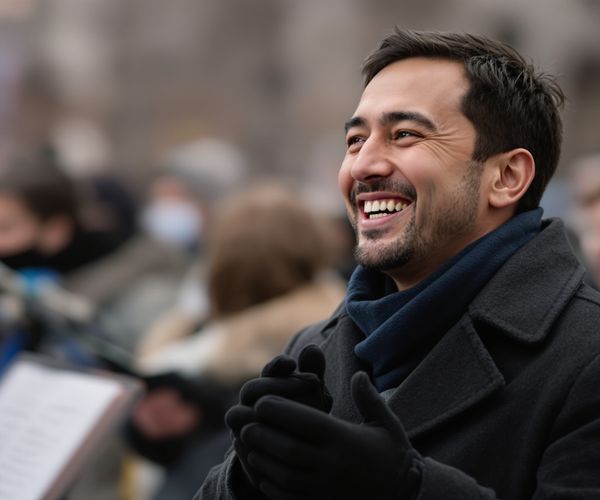
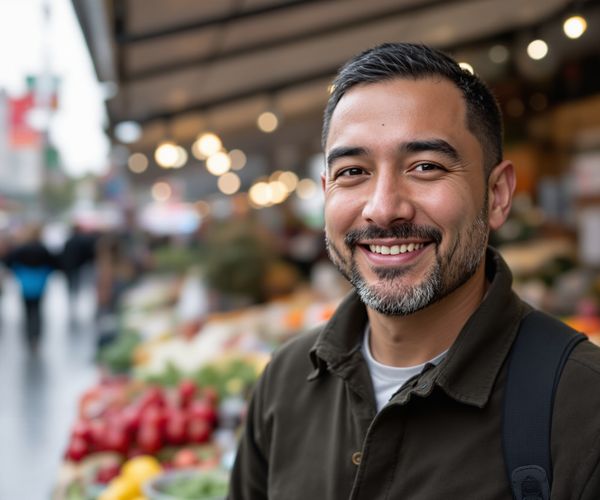
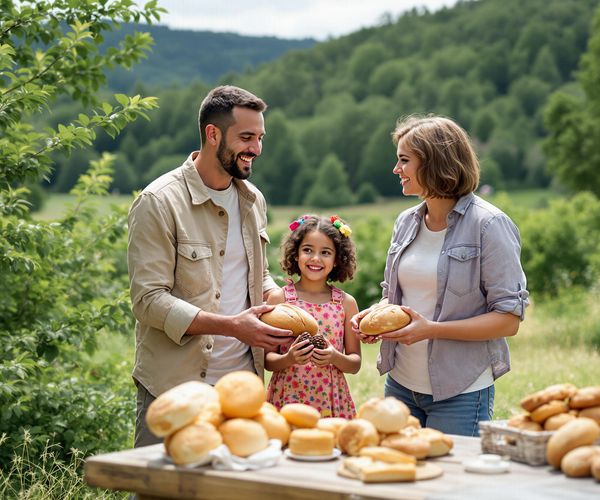
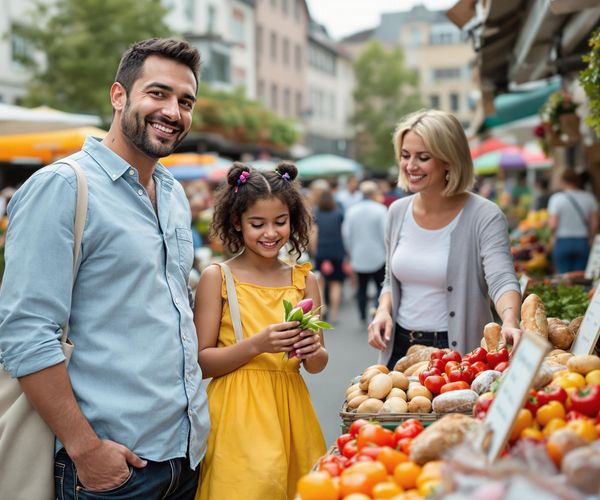
The best travel photos tell a story. Focus on capturing candid moments and authentic interactions with locals. These are the moments that truly convey the essence of a place. Pay attention to details that reflect the local culture and atmosphere: street signs, local food, traditional clothing, and everyday life.
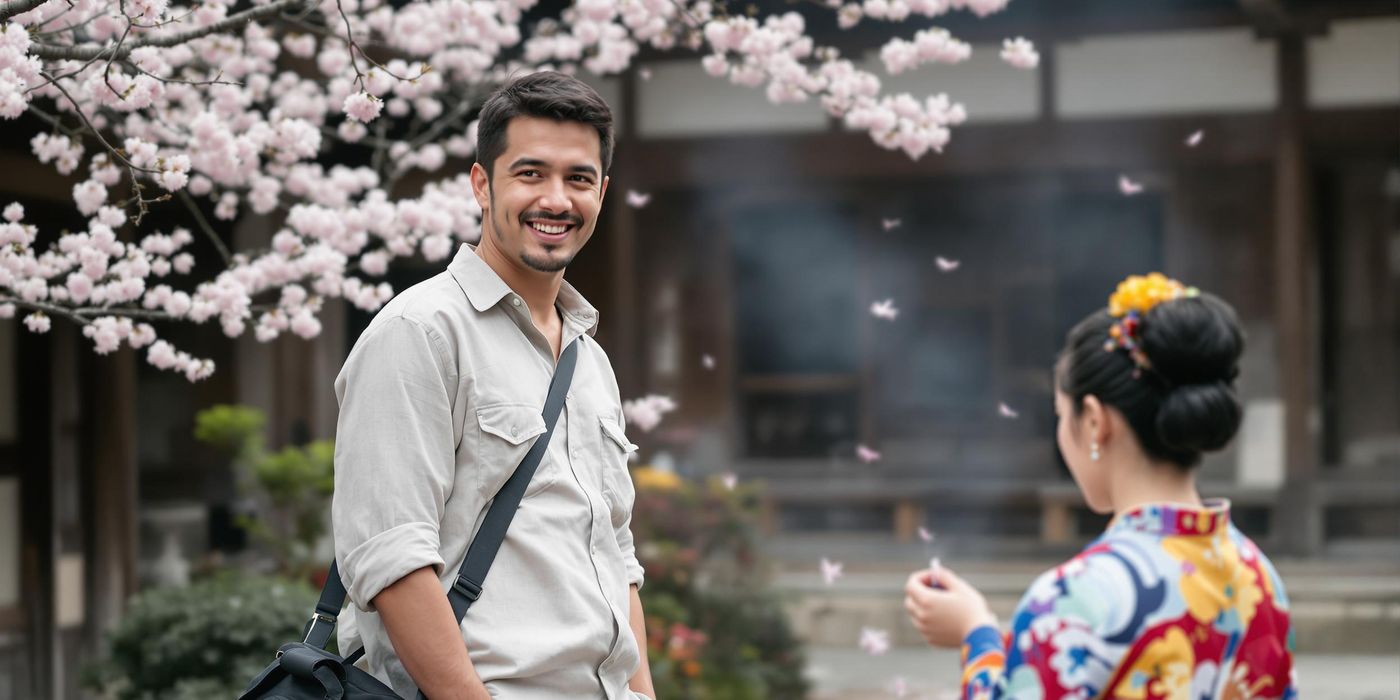
During a trip to Kyoto, Japan, I stumbled upon a small tea ceremony in a local park. The gentle movements of the tea master, the vibrant colors of the kimonos, and the serene atmosphere created a scene that spoke volumes about Japanese culture. I asked for permission to take some pictures, and the tea master graciously agreed. Those photos became some of my most cherished travel memories.
Remember to photograph people respectfully. Always ask for permission before taking someone's picture, and be mindful of cultural norms. A simple smile and a gesture of respect can go a long way.
Ethical Travel Photography: Respecting People and Places
Ethical travel photography is paramount. Always obtain informed consent before photographing people, especially in vulnerable communities. Be mindful of the potential for exploitation, and avoid participating in poverty tourism.
Respect local customs and traditions. Avoid photographing sacred sites or ceremonies without permission. Dress modestly when visiting religious sites, and be aware of any restrictions on photography.
Consider giving back to the communities you photograph. Purchase local handicrafts, support sustainable tourism initiatives, or donate to local charities. A little kindness can make a big difference.
Post-Processing Tips: Enhancing Your Travel Photos
Post-processing is the final step in the photography process. Basic editing techniques can significantly improve your images. Adjust exposure, contrast, and color balance to bring out the best in your photos. Sharpening and noise reduction tools can enhance image clarity.
Crop and straighten images for better composition. Subtle editing is key. The goal is to enhance the authenticity of the photograph, not to create something artificial. There are lots of software options available, from free smartphone apps to professional programs like Adobe Lightroom or Capture One.
So there you have it – my guide to capturing stunning travel memories. Remember, the most important thing is to have fun, be respectful, and tell your own unique story through your images. Mahalo and happy travels!
Learn how to improve your travel photography with tips on gear, settings, composition, and ethical practices. Capture stunning memories from your journeys.