As I wander through bustling markets or stand in awe before a breathtaking landscape, my camera is always with me. It's more than just a tool; it's my way of preserving memories, telling stories, and sharing the beauty I find in the world. Over the years, I've learned a few things about capturing those perfect travel moments, and I'm excited to share them with you.
The Essence of Travel Photography: More Than Just a Snapshot
For me, travel photography is about more than just documenting a place; it's about capturing its soul. It's about freezing that feeling you get when you first see the Eiffel Tower sparkle at night or when you taste the most delicious street food you've ever had. It's about the stories you want to tell when you get back home.
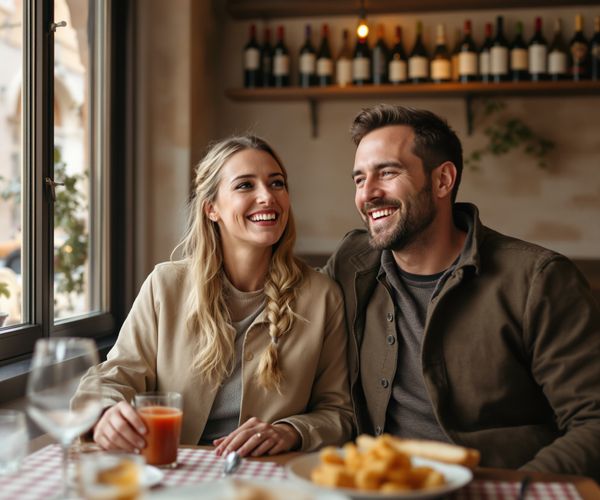
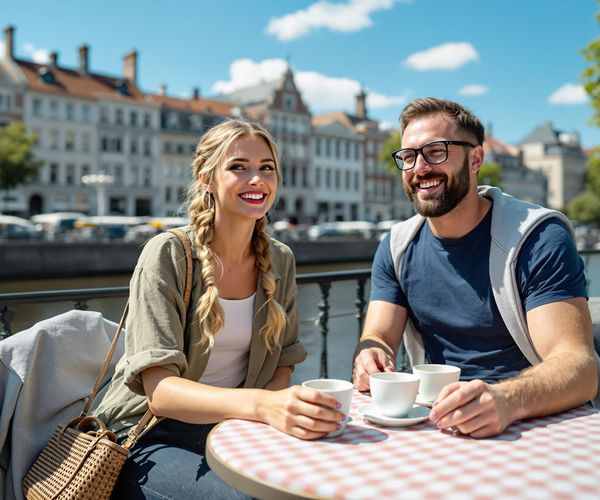
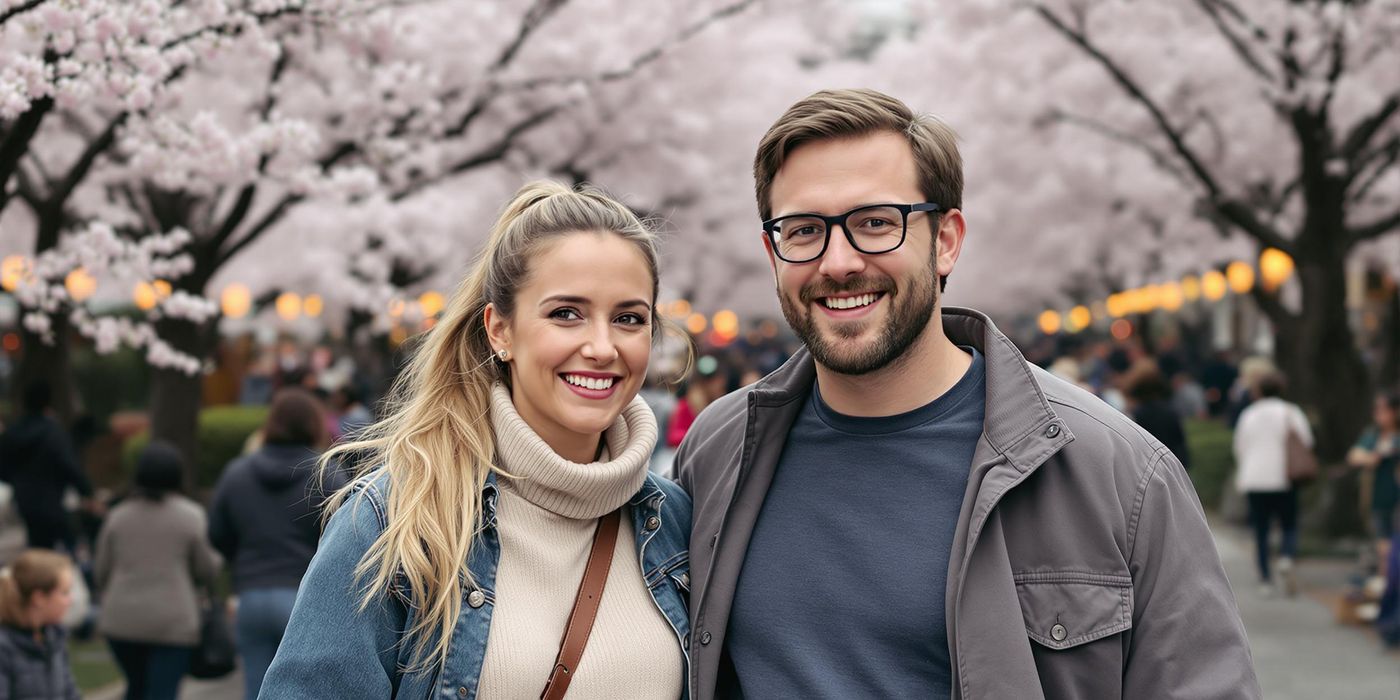
I remember once, Hans and I were in Kyoto during cherry blossom season. {image1} The temples were awash in pink, and the air was filled with a gentle fragrance. I tried to capture the scene, but the photos just didn't do it justice. It wasn't until I focused on the small details – the way the light filtered through the blossoms, the smiles on people's faces – that I started to capture the essence of that magical moment. That's when I realized that travel photography is about storytelling, about capturing the emotions and experiences that make a place unique.
Gear Essentials: What to Pack (and What to Leave Behind)
Choosing the right gear can feel overwhelming, but it doesn't have to be. The best camera is the one you have with you, whether it's a high-end DSLR or your smartphone.
- DSLR/Mirrorless: These offer the best image quality and versatility, with interchangeable lenses for different situations. The downside? They can be bulky and expensive.
- Smartphone: Incredibly convenient and capable, modern smartphones can take stunning photos, especially in good light. They're perfect for casual travel and street photography.
As for lenses, consider these options:
- Wide-angle lens: Perfect for capturing expansive landscapes and architectural shots.
- Zoom lens: Ideal for wildlife photography and capturing details from a distance.
- Prime lens: Offers excellent image quality and a shallow depth of field, great for portraits and street photography.
Don't forget essential accessories like a tripod (for steady shots in low light), extra batteries (you don't want to run out of power mid-adventure!), plenty of memory cards, and filters (polarizing filters can reduce glare and enhance colors).
My biggest tip? Pack light. {image2} You don't want to be weighed down by too much gear. Prioritize what you'll use most and leave the rest behind. And always protect your gear with a good camera bag or case.
Mastering Natural Light: The Golden Hours and Beyond
Light is everything in photography. Understanding how to use natural light can transform your photos from ordinary to extraordinary.
The 'golden hours' – the hour after sunrise and the hour before sunset – are magical. During these times, the light is soft, warm, and flattering, creating beautiful colors and gentle shadows. Plan your shoots around these times for the best results.
But what about shooting in harsh midday light? Find shade! Look for shadows cast by buildings, trees, or even umbrellas. You can also use a reflector to bounce light onto your subject and fill in shadows.
Sunsets and sunrises are always worth capturing. Experiment with different angles and compositions to create stunning silhouettes or vibrant color explosions. {image3}
Even overcast days can be your friend. The soft, even light is perfect for portraits and capturing details without harsh shadows.
Composition Techniques: Framing the Perfect Shot
Composition is the art of arranging elements within your frame to create a visually appealing image. Here are a few techniques to keep in mind:
- The rule of thirds: Imagine dividing your frame into nine equal parts with two horizontal and two vertical lines. Place your subject at one of the intersections or along one of the lines for a balanced and engaging composition.
- Leading lines: Use lines (roads, rivers, fences) to draw the viewer's eye into the photo and towards your subject.
- Framing: Use elements in the foreground (trees, archways, windows) to frame your subject and add depth to the image.
- Symmetry and patterns: Look for visually appealing patterns in your surroundings (architecture, nature) and capture them symmetrically for a striking effect.
- Negative space: Use empty space around your subject to create a sense of calm and balance.
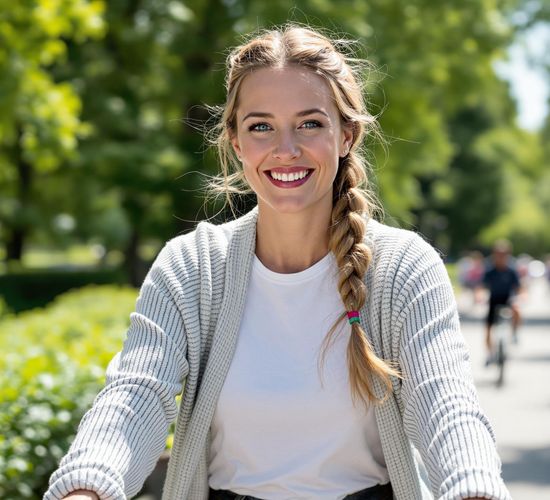
Experiment with different angles and perspectives to find the most compelling composition. {image4}
Capturing Authentic Moments: People and Culture
Photographing people and cultures can be incredibly rewarding, but it's important to do so respectfully and ethically.
Always ask for permission before taking someone's photo. A simple smile and a gesture can go a long way. Be mindful of cultural sensitivities and avoid photographing people in situations where they might feel uncomfortable.
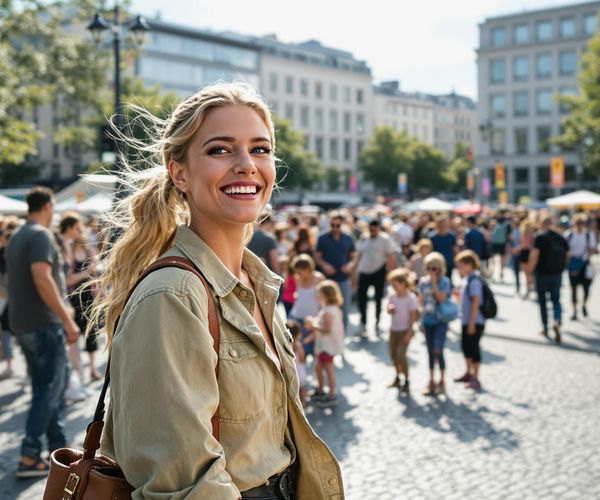
Candid moments often tell the most compelling stories. {image5} Observe the local culture and way of life, and capture those fleeting moments that reveal the true essence of a place.
Attending local events and festivals can provide unique photo opportunities. Be sure to immerse yourself in the experience and capture the energy and excitement of the occasion.
During a trip to Morocco, I spent an afternoon in a small village, photographing the local artisans at work. I asked for permission first, of course, and I made sure to show them the photos I took. They were so proud to share their craft with me, and I was honored to capture their passion and skill.
Landscape Photography: Showcasing Nature's Beauty
Landscape photography is all about capturing the beauty and grandeur of the natural world.
Look for unique perspectives and compositions. {image6} Don't just settle for the obvious shot; explore different angles and viewpoints to find something truly special.
Use depth of field to create a sense of depth in your photos. A wide aperture (small f-number) will blur the background and foreground, while a narrow aperture (large f-number) will keep everything in focus.
Capturing reflections in water can add a magical touch to your landscape photos. Look for still lakes, ponds, or even puddles to create stunning reflections of the surrounding scenery.
Whether you're photographing mountains, forests, or coastal landscapes, pay attention to the light and weather conditions. A dramatic sky or a touch of fog can add drama and atmosphere to your photos.
Don't be afraid to embrace challenging weather conditions. Rain, fog, and snow can create unique and evocative images.
Post-Processing: Enhancing Your Photos Without Overdoing It
Post-processing is an essential part of the photography workflow. It allows you to enhance your photos and bring out their full potential.
Start with basic editing techniques like adjusting exposure, contrast, and white balance. These adjustments can make a big difference in the overall look and feel of your photos.
Color correction can help you enhance colors without making them look unnatural. Be careful not to over-saturate your photos, as this can make them look artificial.
Cropping and straightening can improve the composition of your photos. Crop out distracting elements and straighten horizons to create a more balanced and visually appealing image.
Removing distractions can help clean up your photos and remove unwanted elements. Use tools like the clone stamp or healing brush to remove blemishes, power lines, or other distractions.
There are many photo editing software and apps available, both free and paid. Some popular options include Adobe Lightroom, Photoshop, and Snapseed. Experiment with different tools to find what works best for you.
Remember, the goal of post-processing is to enhance your photos, not to completely transform them. {image7} Aim for a natural and realistic look, and avoid over-editing.
Enhance your travel photography skills with tips on capturing authentic moments and landscapes, inspired by Kirsten's photography passion.