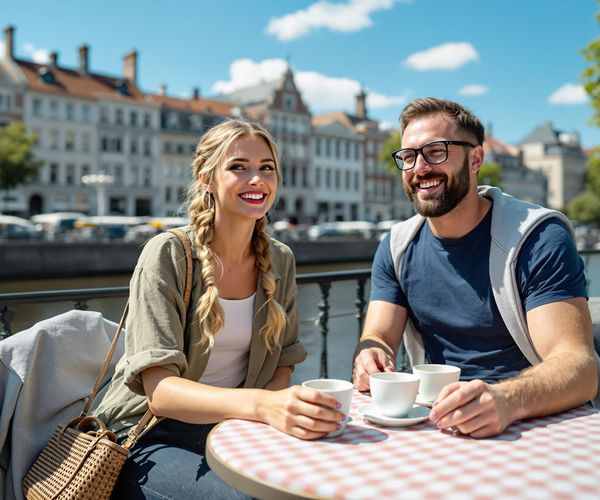
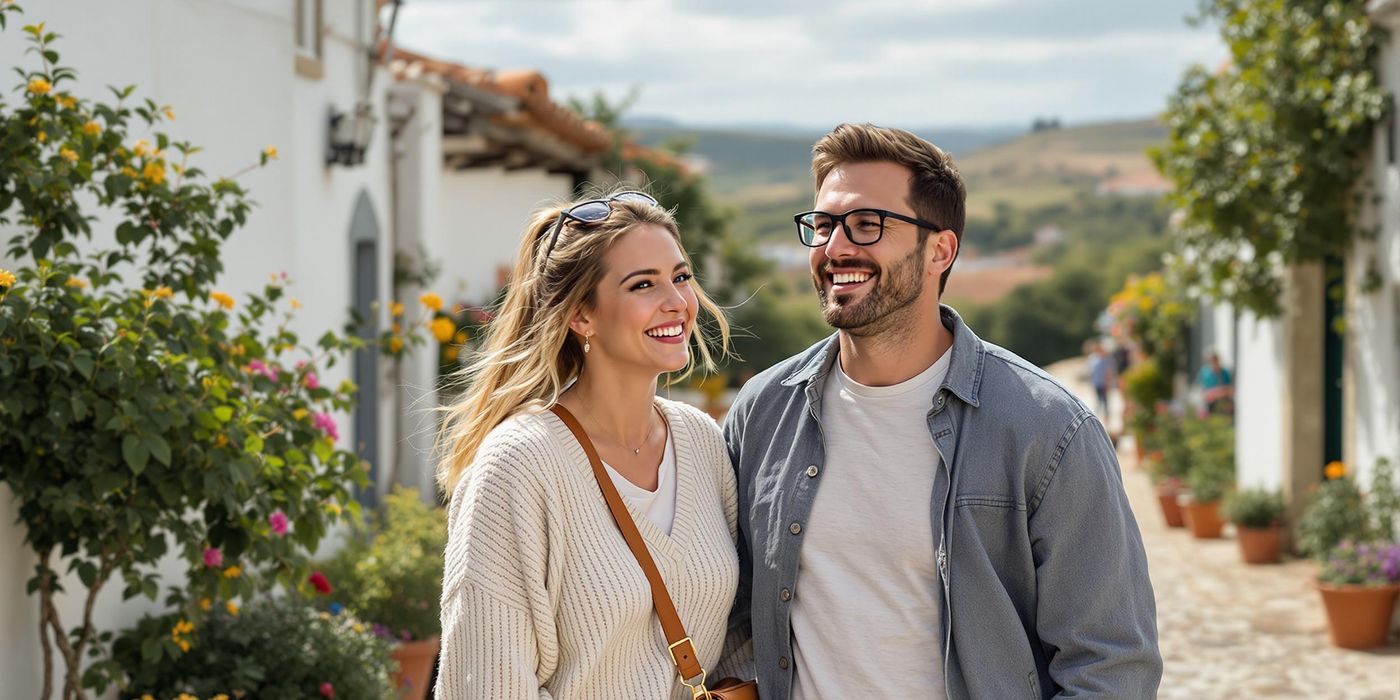
As a travel blogger, I've always been drawn to the idea of truly experiencing a place, not just seeing it. For me, travel isn't about ticking off landmarks; it's about connecting with the soul of a destination, understanding its people, and savoring every moment. This is the essence of slow travel, a philosophy that has transformed the way my husband, Hans, and I explore the world.
What is Slow Travel?
Slow travel is more than just a trend; it's a conscious decision to prioritize quality over quantity. It's about immersing yourself in the local culture, appreciating the nuances of a place, and fostering genuine connections. Before embracing this philosophy, I confess, I was caught up in the whirlwind of trying to see everything, rushing from one attraction to the next. I was a classic case of FOMO – Fear Of Missing Out.
However, I soon realized that this frantic pace left me feeling empty and disconnected. The shift came when Hans and I decided to spend a month in a small village in Tuscany. We weren't there to see all the famous sights; we simply wanted to live like locals. That experience opened my eyes to the JOMO – Joy Of Missing Out. It's about being present in the moment and appreciating the simple pleasures of life.
The Benefits of Slowing Down
The benefits of slow travel are manifold. The most significant, in my opinion, is the deeper cultural immersion. When you slow down, you have the time to learn a few phrases in the local language, participate in community activities, and truly engage with the people around you. These interactions lead to meaningful experiences that stay with you long after you've left.
For instance, during our time in Tuscany, we befriended a local artisan who taught us the art of pottery. We spent hours in his workshop, laughing, learning, and creating. It was an experience we never would have had if we were rushing to see the Leaning Tower of Pisa. Moreover, slow travel inherently promotes a reduced environmental impact. By choosing sustainable transport options, supporting local businesses, and opting for eco-friendly accommodations, you can minimize your footprint and contribute to responsible tourism.
Choosing Your Slow Travel Destination
When it comes to slow travel, the destination is key. Some places are simply better suited for this type of exploration than others. Destinations like Tuscany in Italy, with its rolling hills and charming villages, are perfect for immersing yourself in the local culture. The Scottish Highlands offer breathtaking landscapes and a chance to connect with nature. Alentejo in Portugal, Granada in Spain, and the Dodecanese Islands in Greece, all offer authentic experiences throughout the year, away from the crowded tourist trails.
It's essential to consider less-crowded destinations and actively avoid overtourism. Before you book your trip, take the time to research the destination thoroughly. Understand the entry requirements, visa options for longer stays, and any local customs you should be aware of. Hans and I chose the Alentejo region of Portugal for our last slow travel adventure. We were drawn to its unspoiled landscapes, rich history, and the promise of a more relaxed pace of life. The region did not disappoint.
Tips for Embracing the Slow Travel Lifestyle
Embracing the slow travel lifestyle is easier than you might think. The first step is to plan fewer destinations. Instead of trying to cram multiple cities into a single trip, focus on a smaller area and explore it deeply. Stay longer in one place. A week or more is ideal for truly settling in and getting to know the area.
Opt for sustainable transportation whenever possible. Trains, buses, cycling, and walking are all great ways to experience a destination at a slower pace. Engage with the local community. Support local businesses, eat at family-run restaurants, and attend local events. This is where you'll find the most authentic experiences. Finally, minimize itineraries and schedules. Allow for spontaneity and unstructured time. Some of our best travel moments have been unplanned detours and unexpected discoveries.
When planning our slow travel adventures, Hans and I always prioritize using local transport. We once spent an entire day navigating the backroads of Crete on a local bus, discovering hidden villages and stunning coastal views we never would have seen otherwise. We also seek out unique accommodations, like family-run guesthouses or farm stays, where we can connect with the locals and learn about their way of life.
Sustainable Tourism and Slow Travel
Slow travel and sustainable tourism are intrinsically linked. By slowing down and being more mindful of our impact, we can contribute to a more responsible and sustainable way of exploring the world. Eco-friendly accommodations and activities are essential components of sustainable tourism. Look for hotels and tour operators that prioritize environmental conservation and community engagement.
There are many initiatives supporting sustainable tourism around the world. The New Zealand Tourism Sustainability Commitment, for example, is a nationwide initiative aimed at ensuring the long-term sustainability of the country's tourism industry. Additionally, consider the concept of carbon-neutral and carbon-negative travel. This involves offsetting your carbon emissions through various projects, such as planting trees or investing in renewable energy.
During a trip to Costa Rica, I had the opportunity to stay in an eco-lodge that was entirely powered by solar energy and committed to preserving the surrounding rainforest. It was an inspiring experience that showed me how tourism can be a force for good. By embracing slow travel and making conscious choices, we can all help protect the planet and preserve its beauty for future generations.
Discover the joys of slow travel with Kirsten Nielsen. Learn how to immerse yourself in local cultures, reduce your environmental impact, and create meaningful travel experiences.