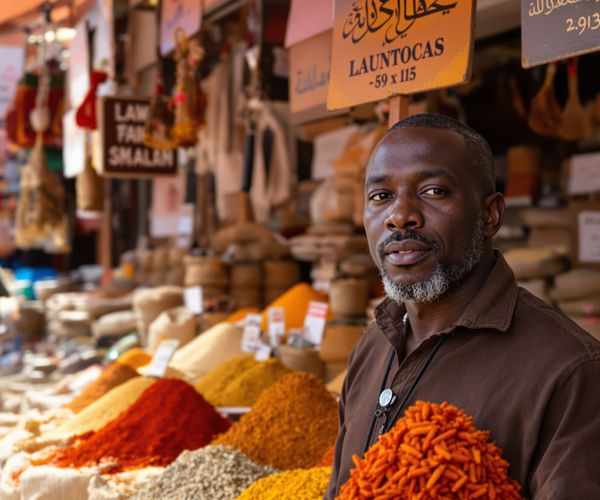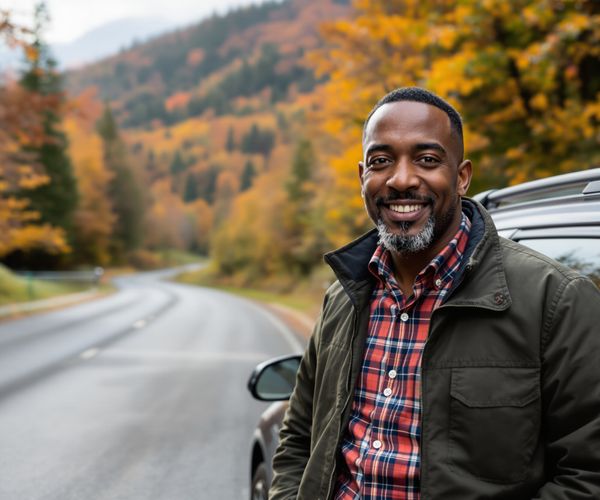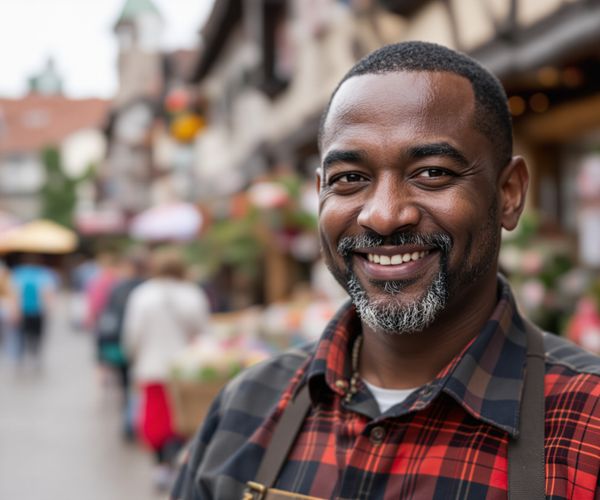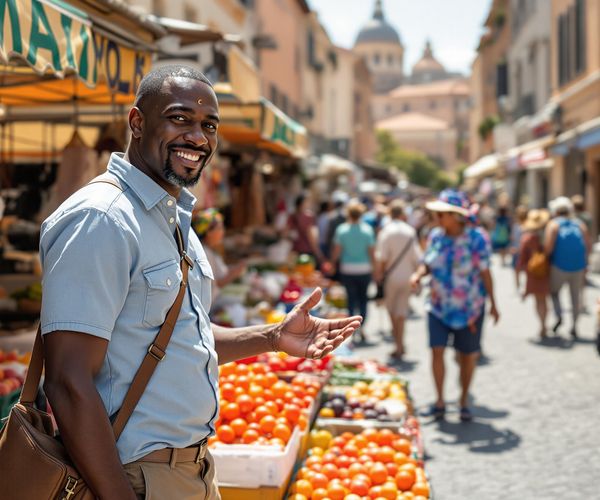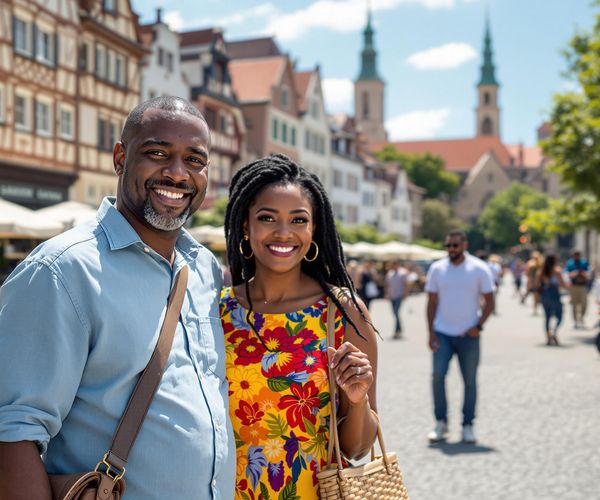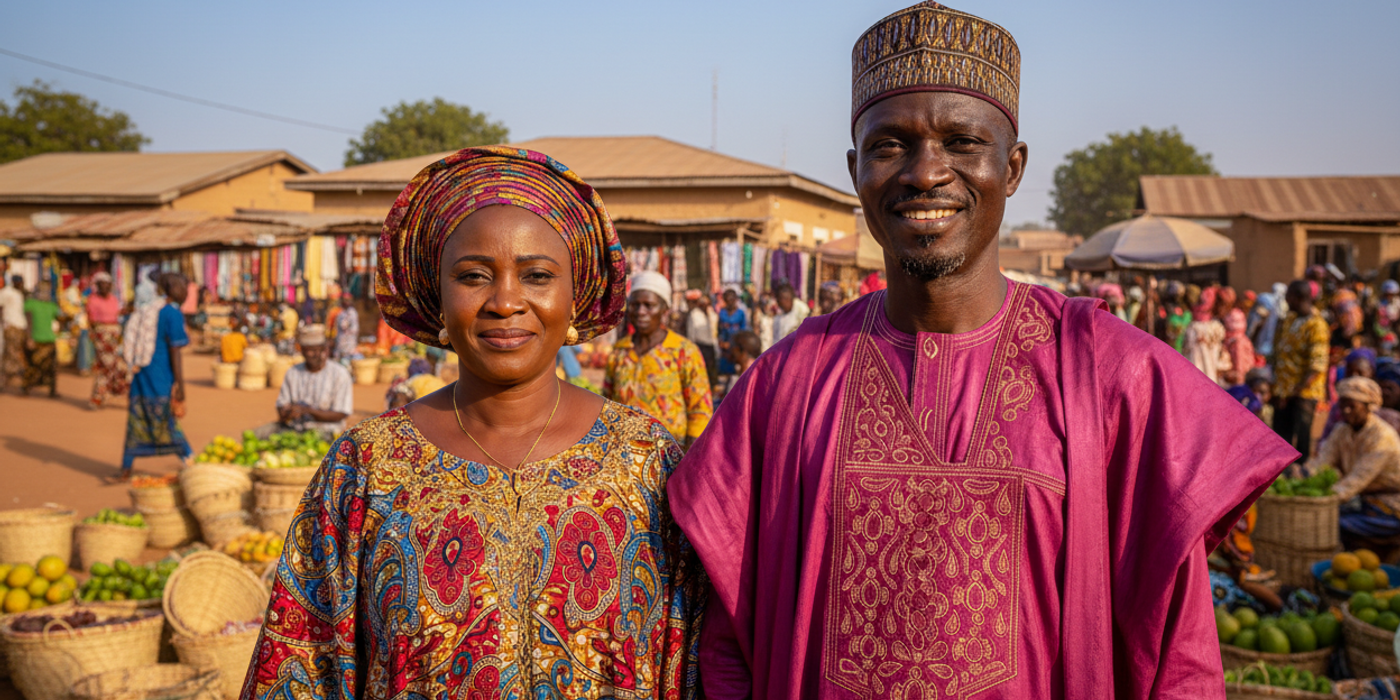
As a mechanical engineer with a passion for photography, I've always found travel to be the perfect blend of exploration and capturing unique moments. Over the years, I've learned that the best travel photos aren't just about stunning landscapes; they're about the people, the culture, and the stories behind them. Drawing from my experiences traveling with my wife, Fatou, I want to share some tips on how to capture those authentic moments that truly reflect the spirit of a destination.
Pre-Trip Preparation: Research and Respect
Before you even pack your camera, the journey to capturing authentic moments begins with research. Understanding the culture, customs, and even the photography norms of your destination is crucial. This isn't just about avoiding cultural faux pas; it's about showing respect and building a foundation for genuine interaction.
- Research local sensitivities and taboos related to photography. Are there certain religious sites where photography is prohibited? Are there specific groups of people who prefer not to be photographed? Knowing this beforehand can save you from causing offense.
- Learn a few basic phrases in the local language. Even a simple hello or thank you can go a long way in building rapport and showing that you're making an effort to connect with the local community.
- Ensure your equipment is ready and suitable for the environment. Check your camera's weather sealing, pack extra batteries, and consider bringing a versatile lens that can handle a variety of situations.
Connecting with Locals: Building Trust and Rapport
The most captivating photos often come from genuine interactions with the people you meet along the way. However, it's essential to approach these interactions with respect and sensitivity. Remember, you're a guest in their home.
- Approach people with respect and genuine interest in their stories. Ask them about their lives, their families, and their culture. Show that you're not just there to take a photo, but to learn and connect.
- Always ask for permission before taking photos of individuals or in private spaces. A simple May I take your photo? can make a world of difference. Be prepared to accept a no gracefully.
- Engage in conversations and show appreciation for their culture. Share a smile, offer a compliment, or simply listen attentively. Small gestures of kindness can create a connection and open doors to unique photo opportunities.
- Be mindful of body language and non-verbal cues to ensure comfort. Avoid pointing your camera directly at someone without acknowledging them first. Pay attention to their facial expressions and body language to gauge their level of comfort.
The Art of Observation: Patience and Awareness
Authentic moments often unfold when you least expect them. That's why it's crucial to slow down, be patient, and observe your surroundings with a keen eye. Don't rush from one tourist spot to another; instead, take the time to soak in the atmosphere and let the moments come to you.
- Slowing down and observing the environment to capture candid, unscripted moments is key. Find a quiet spot, sit down, and simply watch the world go by. You'll be amazed at the stories that unfold before your eyes.
- Look for unique details, textures, and interactions that tell a story. Pay attention to the small things – the way the light falls on a building, the texture of a weathered wall, the laughter of children playing in the street. These details can add depth and authenticity to your photos.
- Anticipate moments and be ready to capture them as they unfold. Keep your camera ready and be prepared to react quickly when you see something interesting happening. Sometimes, the best photos are the ones you didn't plan for.
- Use natural light to enhance the mood and authenticity of the images. Natural light can add warmth, depth, and emotion to your photos. Experiment with different times of day to see how the light changes and affects the mood of your images.
Composition and Storytelling: Capturing the Essence
While capturing authentic moments is about being present and observant, it's also about using composition techniques to create visually compelling images. Think of your camera as a storyteller, and use composition to guide the viewer's eye and convey the essence of your experience.
- Use composition techniques like the rule of thirds, leading lines, and framing to create visually appealing images. These techniques can help you create a sense of balance, depth, and interest in your photos.
- Experiment with different angles and perspectives to add depth and interest. Don't be afraid to get down low, climb up high, or shoot from an unusual angle. Changing your perspective can transform an ordinary scene into something extraordinary.
- Focus on capturing a sequence of images that tell a visual narrative of the travel experience. Think about the story you want to tell and capture a series of images that convey that story. This could be a day in the life of a local, a traditional ceremony, or a journey through a bustling market.
- Include foreground, mid-ground, and background elements to create a sense of depth. This technique can help you create a sense of space and perspective in your photos. It can also help you draw the viewer's eye into the scene.
Ethical Considerations: Respect and Responsibility
As travel photographers, we have a responsibility to be ethical and respectful in our approach. This means being mindful of the potential impact of our photography on local communities and avoiding stereotypes and clichés.
- Avoid stereotypes and clichés in travel photography. Seek out unique perspectives and challenge preconceived notions. Show the diversity and complexity of the cultures you encounter.
- Be mindful of the potential impact of photography on local communities. Consider the potential consequences of your photos and avoid contributing to the exploitation or misrepresentation of local cultures.
- Respect private and sacred spaces by seeking permission or refraining from taking photos. Always be respectful of local customs and traditions. If you're unsure whether or not you're allowed to take photos in a particular place, ask for permission.
- Ensure that the photography is not exploitative or intrusive. Avoid taking photos of people in vulnerable situations without their consent. Be sensitive to their feelings and respect their privacy.
Practical advice on improving travel photography, focusing on capturing authentic moments that reflect the true spirit of a destination.