Why Learn a Language for Travel?
Learning a new language for travel goes beyond simply ordering food or asking for directions. It's about building bridges, fostering understanding, and truly immersing yourself in a different culture. For me, language is the key that unlocks authentic experiences. When you speak even a few phrases in the local language, you show respect and willingness to connect, which can lead to heartwarming interactions and unexpected adventures.
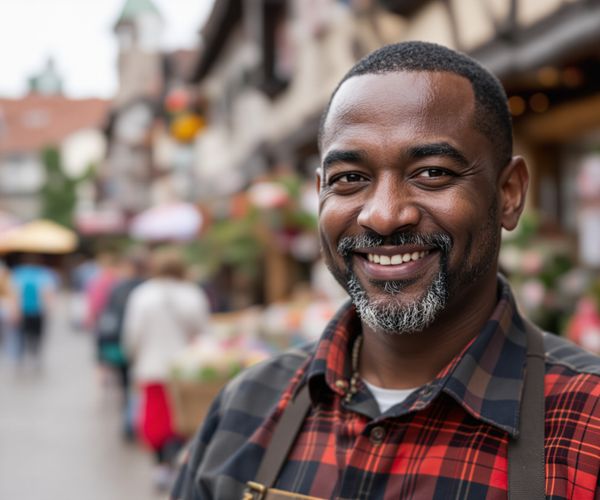
My own motivation stems from my Gambian heritage and my experiences in Germany. Growing up, I was surrounded by multiple languages and dialects, which instilled in me a deep appreciation for linguistic diversity. Moving to Germany further fueled my interest, as I navigated a new language and culture. These experiences have taught me that language is not just a tool for communication but a window into the soul of a culture.
Being able to communicate, even on a basic level, allows you to delve deeper into the local culture. You can learn about traditions, history, and social norms directly from the people who live and breathe them. It transforms you from a mere tourist into a curious and engaged traveler, eager to learn and understand.
Setting Realistic Language Learning Goals
Before embarking on a trip, it’s essential to set realistic language learning goals. Trying to become fluent in a new language in a few weeks is unrealistic, but mastering essential phrases and vocabulary is entirely achievable. Start by identifying the most common situations you’ll encounter during your travels, such as greetings, ordering food, asking for directions, and making purchases.
Focus on learning key phrases that will allow you to communicate your basic needs and show politeness. Simple phrases like “Hello,” “Thank you,” “Please,” and “Excuse me” can go a long way in making a positive impression. Additionally, learn how to ask for help, understand basic numbers, and inquire about prices.
Creating a personalized language learning plan tailored to your specific travel needs can be incredibly helpful. Consider the length of your trip, the places you’ll be visiting, and the activities you’ll be participating in. Break down your learning goals into smaller, manageable chunks and set realistic deadlines for achieving them. This will help you stay motivated and track your progress.
Effective Language Learning Methods for Travelers
Fortunately, there are numerous language learning methods available for travelers, ranging from traditional textbooks to modern language learning apps. Language learning apps like Duolingo, Babbel, and Memrise have become increasingly popular due to their convenience and gamified approach. These apps offer interactive lessons, vocabulary building exercises, and pronunciation practice, making language learning fun and engaging. Each app has its strengths and weaknesses, so it’s essential to choose one that aligns with your learning style and preferences.
Duolingo is a great option for beginners, offering a wide range of languages and a user-friendly interface. Babbel provides more in-depth lessons and focuses on practical conversation skills. Memrise uses mnemonics and spaced repetition to help you memorize vocabulary effectively. Phrasebooks are also invaluable resources, providing you with a collection of essential phrases and vocabulary for various travel situations.
To maximize your learning potential, combine different methods. Use language learning apps for vocabulary and grammar practice, phrasebooks for quick reference, and online resources for cultural insights. By adopting a comprehensive approach, you’ll be well-equipped to tackle any language challenge that comes your way.
Immersing Yourself in the Language
One of the most effective ways to learn a new language is to immerse yourself in the culture. Cultural immersion involves engaging with local customs, traditions, and ways of life, which can significantly enhance your understanding and appreciation of the language. Watch local TV shows and movies to familiarize yourself with the sounds and rhythms of the language. Listen to local music to pick up new vocabulary and expressions.
Attending cultural events, such as festivals, concerts, and exhibitions, can provide valuable opportunities to interact with native speakers and learn about their culture firsthand. Visit local markets, try traditional cuisine, and participate in local activities. The more you immerse yourself in the culture, the more natural and intuitive the language will become.
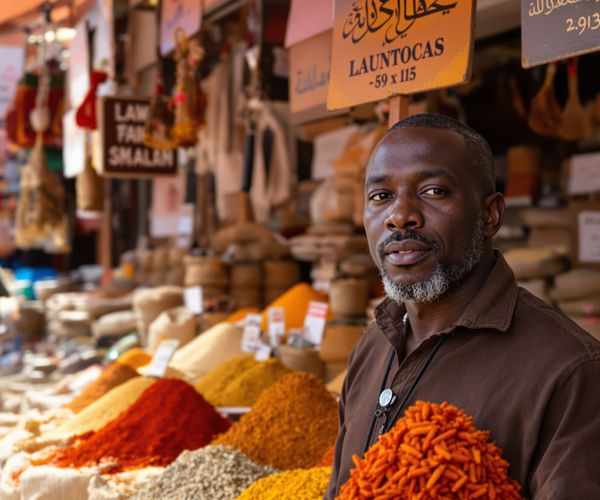
I remember once visiting a small village in The Gambia where I spent several days living with a local family. During my stay, I participated in their daily routines, learned about their customs, and listened to their stories. This immersive experience not only improved my language skills but also deepened my understanding of Gambian culture and traditions.
Practicing with Native Speakers
Practicing with native speakers is crucial for improving your pronunciation, fluency, and comprehension. Don’t be afraid to make mistakes – it’s a natural part of the learning process. Language exchange apps like HelloTalk and Tandem connect you with native speakers who are learning your language, allowing you to practice together and provide each other with feedback. Local meetups and language exchange events offer opportunities to meet native speakers in person and practice your language skills in a relaxed and supportive environment.
Online tutors can provide personalized instruction and guidance, helping you to address your specific language learning needs. Many online platforms offer affordable tutoring services with qualified native speakers. When practicing with native speakers, be patient, respectful, and open-minded. Ask questions, listen attentively, and don’t be afraid to try out new words and phrases.
Remember, the goal is not to be perfect but to communicate effectively and build connections. Embrace the opportunity to learn from your mistakes and celebrate your progress along the way.
Utilizing Travel as a Language Learning Opportunity
Travel itself provides countless opportunities to enhance your language learning. Take advantage of every chance to practice your language skills in real-world situations. When visiting local restaurants, read the menu carefully and try ordering in the local language. Ask for recommendations from the staff and engage in conversations about the food and culture. When exploring new places, ask for directions from locals and try to understand their responses. This will not only improve your comprehension skills but also help you navigate unfamiliar surroundings.
Keep a language learning journal to track your progress and record new vocabulary and phrases. Write down interesting conversations you’ve had, new things you’ve learned, and any challenges you’ve faced. Review your journal regularly to reinforce your learning and identify areas where you need to improve.
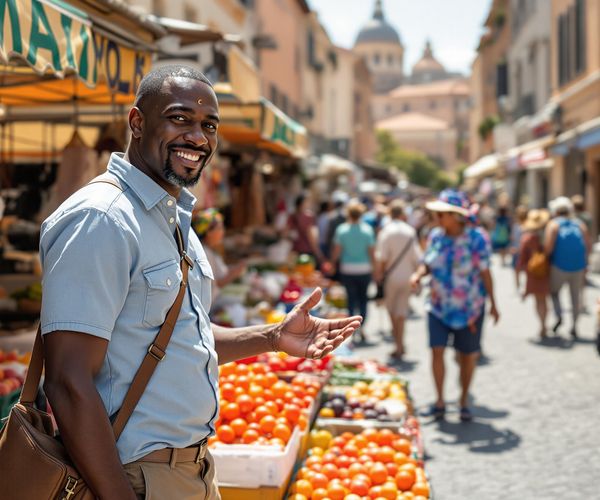
During a trip to Italy, I made it a point to speak Italian as much as possible. I started by ordering coffee in Italian, then gradually progressed to asking for directions, making small talk with shopkeepers, and even attempting to negotiate prices at local markets. While I made plenty of mistakes along the way, each interaction helped me to improve my language skills and deepen my connection with the Italian culture. The rewards of connecting with people through language are immeasurable. It opens doors to new friendships, new experiences, and a deeper understanding of the world around us.
Unlock authentic travel experiences by learning new languages! Discover practical tips from Lamin's journey, blending Gambian heritage with German experiences.