What is Slow Travel?
Slow travel, at its heart, is a philosophy that prioritizes connection, relaxation, and deep cultural immersion. It's a conscious decision to move away from the frenetic pace of traditional tourism, where the focus is often on seeing as much as possible in the shortest amount of time. Instead, slow travel emphasizes quality over quantity, encouraging travelers to deeply engage with the places they visit, fostering a richer, more meaningful experience.
This approach contrasts sharply with fast-paced tourism, where the goal is often to check off as many destinations as possible. Slow travel is about savoring each moment, each interaction, and each discovery. It's about allowing yourself the time to truly understand and appreciate the nuances of a place, rather than simply skimming the surface.
The origins of slow travel can be traced back to Carlo Petrini and the Slow Food movement in Italy, which emerged in the 1980s as a response to the rise of fast food and the homogenization of culinary traditions. Just as the Slow Food movement champions locally sourced ingredients and traditional cooking methods, slow travel promotes a more mindful and sustainable approach to exploration, encouraging travelers to connect with the local culture and environment.
The Core Principles of Slow Travel
Slow travel is built on several core principles that guide the way we experience the world:
- Connection: Building genuine relationships with locals, learning about their traditions, and understanding their way of life is paramount. It's about moving beyond the role of a tourist and becoming a temporary member of the community.
- Sustainability: Traveling in a way that minimizes environmental impact is crucial. This includes choosing eco-friendly transportation, supporting local businesses, and respecting the natural environment.
- Pacing: Allowing yourself ample time to explore without rushing is essential. This means lingering in cafes, wandering through markets, and taking the time to simply observe the world around you.
- Mindfulness: Being present in the moment, practicing patience, and remaining open to new experiences are key to unlocking the true potential of slow travel. It's about embracing the unexpected and finding joy in the simple pleasures.
Cultural Immersion: Connecting with Locals
One of the most rewarding aspects of slow travel is the opportunity to connect with local communities and gain a deeper understanding of their traditions and lifestyles. By engaging with locals, you move beyond the superficial and begin to see the world through their eyes.
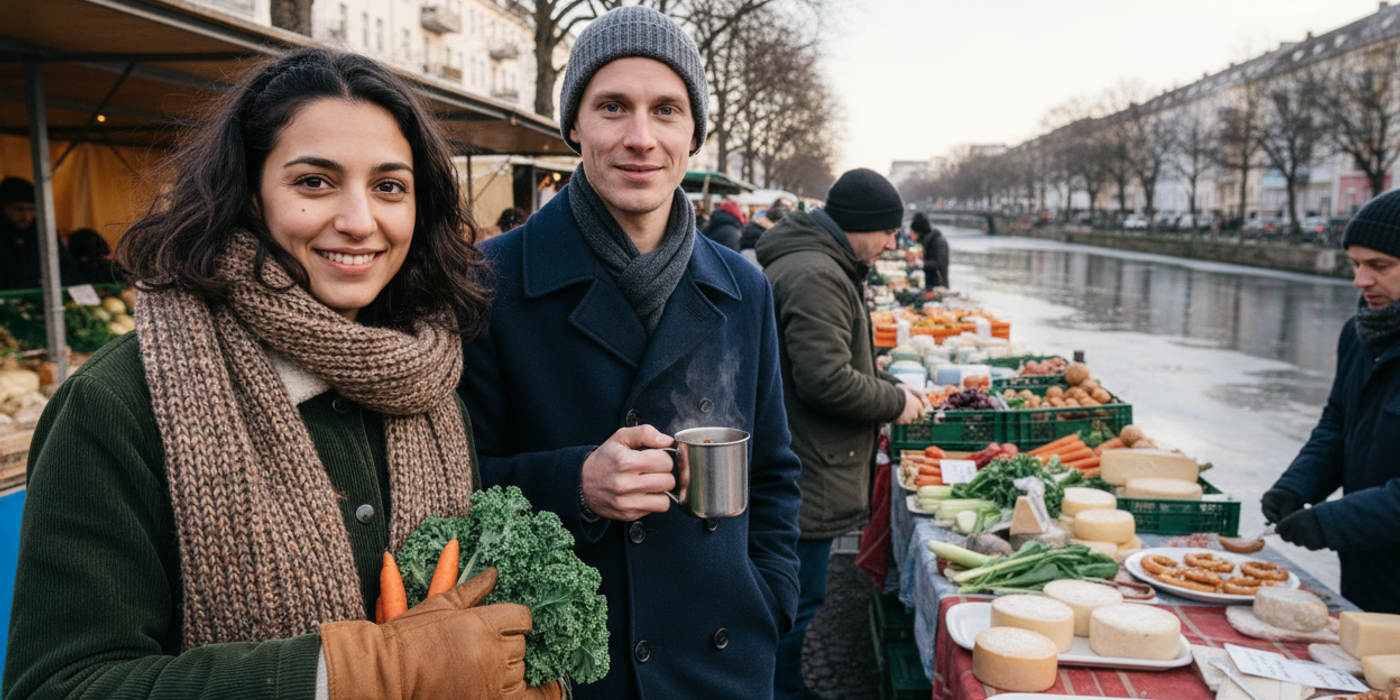
During my travels in Berlin and Spain, I've made a conscious effort to connect with locals in various ways. In Berlin, I regularly visit the local farmers' markets in Neukölln, where I chat with vendors, learn about their produce, and sample traditional German delicacies. These interactions have given me a unique insight into the city's culinary culture and the people who shape it.
In Spain, I often participate in community events, such as local festivals and traditional celebrations. These events provide a wonderful opportunity to immerse myself in the local culture and connect with people from all walks of life. I've found that learning a few basic phrases in the local language can greatly enhance these interactions, making it easier to communicate and build rapport.
Supporting local businesses and artisans is another important aspect of cultural immersion. By buying locally made products and services, you not only contribute to the local economy but also help to preserve traditional crafts and skills.
Environmental Benefits: Traveling Responsibly
Slow travel offers significant environmental benefits compared to traditional tourism. By opting for fewer flights and longer stays, you can dramatically reduce your carbon footprint. Air travel is a major contributor to greenhouse gas emissions, so choosing alternative modes of transportation, such as trains, buses, cycling, and walking, can make a big difference.
Sustainable transportation options are not only better for the environment but can also enhance your travel experience. Train journeys, for example, offer a unique opportunity to see the countryside and appreciate the beauty of the natural landscape. Cycling and walking allow you to explore at your own pace, discovering hidden gems and connecting with the environment in a more intimate way.
Choosing eco-friendly accommodations is another way to minimize your environmental impact. Look for hotels and guesthouses that have implemented sustainable practices, such as using renewable energy, conserving water, and reducing waste. Minimizing waste is also crucial. Bring your own reusable water bottle, shopping bag, and toiletries to avoid single-use plastics.
As an urban beekeeper, I am deeply committed to environmental conservation in my daily life. This commitment extends to my travels, where I always strive to make responsible choices that minimize my impact on the planet. Whether it's supporting local conservation efforts or simply being mindful of my consumption, I believe that every little bit helps.
Personal Enrichment: The Joys of a Slower Pace
Beyond the cultural and environmental benefits, slow travel offers profound personal enrichment. The slower pace allows for more reflection, mindfulness, and appreciation of your surroundings. It's an opportunity to disconnect from the stresses of daily life and reconnect with yourself and the world around you.
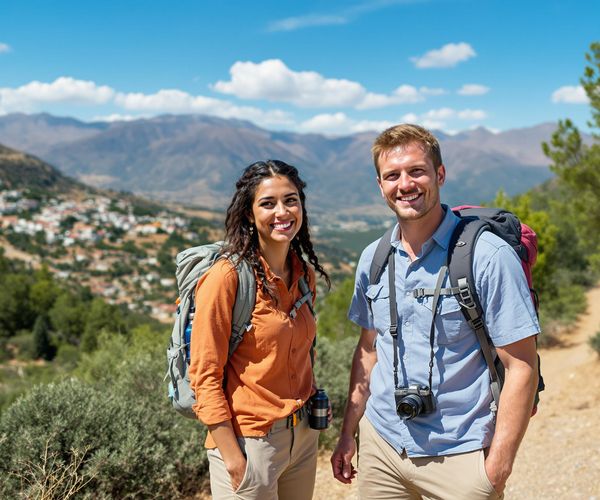
During my travels, I've experienced countless moments of unexpected discovery and authentic connection. In Granada, Spain, I spent an afternoon simply wandering through the Albaicín, the old Arab quarter, getting lost in its labyrinthine streets and soaking up the atmosphere. It was in those unplanned moments that I stumbled upon hidden courtyards, charming cafes, and breathtaking views of the Alhambra.
Savoring the journey and finding joy in simple pleasures is a key aspect of slow travel. It's about taking the time to appreciate the small things, whether it's the taste of a freshly baked pastry, the sound of birdsong in the morning, or the warmth of the sun on your skin.
Slow Travel in Practice: Examples and Inspiration
There are countless ways to incorporate slow travel into your own adventures. One popular option is taking a train journey through Europe, allowing you to see the continent at a leisurely pace and stop off at charming towns and cities along the way. Volunteering on a farm in Tuscany is another great way to immerse yourself in the local culture and connect with the land.
Some destinations are particularly well-suited for slow travel. Kyoto, Japan, with its serene temples, traditional gardens, and peaceful atmosphere, is an ideal place to slow down and reflect. Tuscany, Italy, with its rolling hills, vineyards, and charming villages, offers a wealth of opportunities for cultural immersion and culinary exploration. Granada, Spain, with its rich history, vibrant culture, and stunning architecture, is a city that rewards those who take the time to explore its hidden corners.
Embrace a flexible itinerary and be open to spontaneous adventures. Take a cooking class to learn about local cuisine, take language lessons to improve your communication skills, or explore local festivals to experience the culture firsthand. The possibilities are endless.
Discover the philosophy of slow travel and how it enriches your experiences by connecting you more deeply with the places you visit. Learn to travel responsibly.