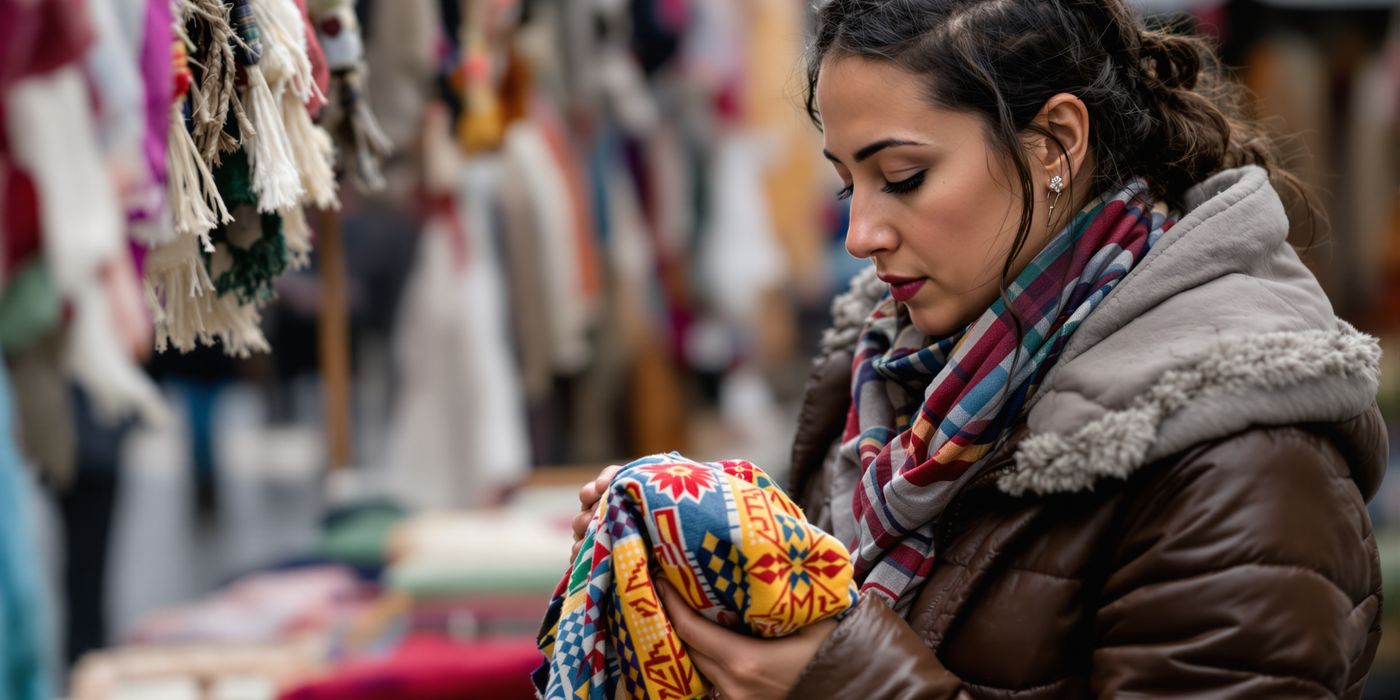
A Tapestry of Tradition: Defining Traditional Crafts
What exactly are traditional crafts? They are the tangible expressions of a community's cultural heritage, passed down through generations. These skills, honed over centuries, represent more than just artistry; they embody the knowledge, values, and identity of a people. Think of the vibrant textiles of Guatemala, each pattern telling a unique story, or the delicate pottery of Japan, reflecting a deep respect for nature. And, of course, the stunning azulejo tiles from my beloved Spain, each piece a testament to Moorish influence and enduring beauty.
These crafts aren't static; they evolve with time, adapting to new materials and influences while retaining their core essence. But at their heart, they remain deeply connected to the land and the community that creates them.
Sustainable Tourism: More Than Just a Buzzword
Sustainable tourism is a concept I hold dear, and it goes far beyond simply reusing your hotel towels. It's about traveling in a way that respects and preserves the environment, economy, and socio-cultural fabric of the places we visit. It means minimizing our negative impact – reducing waste, conserving resources – and maximizing the benefits for local communities.
Consider the environmental aspect: choosing eco-friendly accommodations, supporting local transportation, and respecting natural habitats. Economically, it's about ensuring that tourism dollars directly benefit local businesses and artisans, rather than lining the pockets of large corporations. And socio-culturally, it's about engaging with local cultures in a respectful and authentic way, learning from traditions, and supporting their preservation.
Weaving a Sustainable Future: How Traditional Crafts Contribute
This is where the magic happens: traditional crafts and sustainable tourism intertwine to create a powerful force for good. By supporting local artisans, we are directly contributing to the economic well-being of their communities. These crafts provide livelihoods, empower women, and keep traditional skills alive.
Moreover, these crafts are often made using locally sourced, renewable materials and eco-friendly production methods. Think of a weaver using natural dyes derived from plants in their region, or a potter using clay from local sources. This reduces the carbon footprint associated with mass-produced goods and supports sustainable resource management.
But perhaps most importantly, traditional crafts preserve cultural heritage and foster cultural exchange. When we purchase a handcrafted item, we're not just buying an object; we're investing in a story, a tradition, and a connection to a different way of life. We're helping to keep these traditions alive for future generations.
Berlin's Buzz: A Personal Reflection on Local Craft
Living in Berlin, I've been continually impressed by the city's commitment to preserving and celebrating local crafts. Every weekend, Hans and I love to explore the markets around Neukölln and Kreuzberg, where we discover unique, handcrafted treasures. From ceramics to jewelry to textiles, it's a feast for the senses and a testament to the creativity of local artisans.
I recently met a woodworker in a small workshop in Prenzlauer Berg who creates beautiful, minimalist furniture using sustainably sourced wood. He told me about his passion for preserving traditional woodworking techniques and his commitment to creating pieces that are both functional and beautiful. Supporting artisans like him is a way to invest in the local economy and preserve the unique character of Berlin.
These experiences remind me that supporting local crafts is not just about buying a product; it's about building relationships, fostering community, and celebrating the human spirit.
Challenges and Opportunities: The Path Forward
Of course, the path to a truly sustainable future for traditional crafts isn't without its challenges. One of the biggest threats is commodification, where crafts are mass-produced and sold as souvenirs, losing their authenticity and cultural significance. Another challenge is the lack of market access and financial resources for artisans, making it difficult for them to compete with larger businesses.
However, there are also tremendous opportunities. By supporting fair trade practices and ethical sourcing, we can ensure that artisans receive fair prices for their work and that their crafts are produced in a sustainable way. We can also develop craft-centric tourism itineraries and experiences that allow travelers to connect with artisans, learn about their traditions, and purchase their crafts directly.
Ultimately, it's about raising awareness among travelers about the value of traditional crafts and empowering them to make responsible choices. By choosing to support local artisans, we can help to preserve cultural heritage, promote sustainable development, and create a more meaningful and enriching travel experience for everyone.
Explore the importance of traditional crafts in promoting sustainable tourism and preserving cultural heritage. Lucia shares her insights and experiences.