As an automotive mechatronics technician with a passion for electric vehicles and renewable energy, I'm always looking for ways to blend my interests with family travel. Teaching my daughter, Zofia, about sustainable practices is a priority, and what better way to do it than through immersive experiences? Our family trips have become educational adventures, exploring how renewable energy works and its importance for the future. Here’s how you can turn your family travels into a renewable energy learning journey.
Why Renewable Energy Education Matters
In today's world, renewable energy is more than just a buzzword; it's a necessity. Teaching children about renewable energy is crucial for shaping a sustainable future. Understanding concepts like solar, wind, and hydro power helps them appreciate the planet's resources and the importance of conserving them. It fosters environmental responsibility from a young age, encouraging them to make informed decisions that benefit the environment.
Early education on renewable energy shapes lifelong habits and awareness. By learning about sustainable practices, children are more likely to adopt eco-friendly behaviors in their daily lives. This understanding also helps them become informed citizens, capable of participating in discussions and decisions about energy policies and environmental conservation.
Interactive Museums and Science Centers
Museums and science centers are fantastic places to introduce children to renewable energy concepts in an engaging way. Many offer hands-on exhibits that make learning fun and interactive. For instance, exhibits that allow kids to design their own solar devices, experiment with wind tunnels, or connect different energy sources to power a miniature city can be incredibly captivating.
During our travels, we've visited some remarkable places. The Northwoods Children's Museum in Eagle River, Wisconsin, features an “Energy Expedition” exhibit where kids can learn about energy production and conservation {image1}. Similarly, the DuPage Children's Museum in Naperville, Illinois, offers interactive displays that explain energy concepts in a child-friendly manner {image2}. Another great example is the DISCOVERY Children's Museum in Las Vegas, Nevada, which has an entire Energy/Energía gallery dedicated to exploring various forms of energy. These experiences provide tangible learning opportunities that stick with children long after the visit.
Renewable Energy Sites and Tours
One of the most impactful ways to teach children about renewable energy is by visiting renewable energy facilities. Wind farms, solar power plants, and hydroelectric dams offer a real-world glimpse into how these technologies work. Seeing these facilities in action can be awe-inspiring and educational.
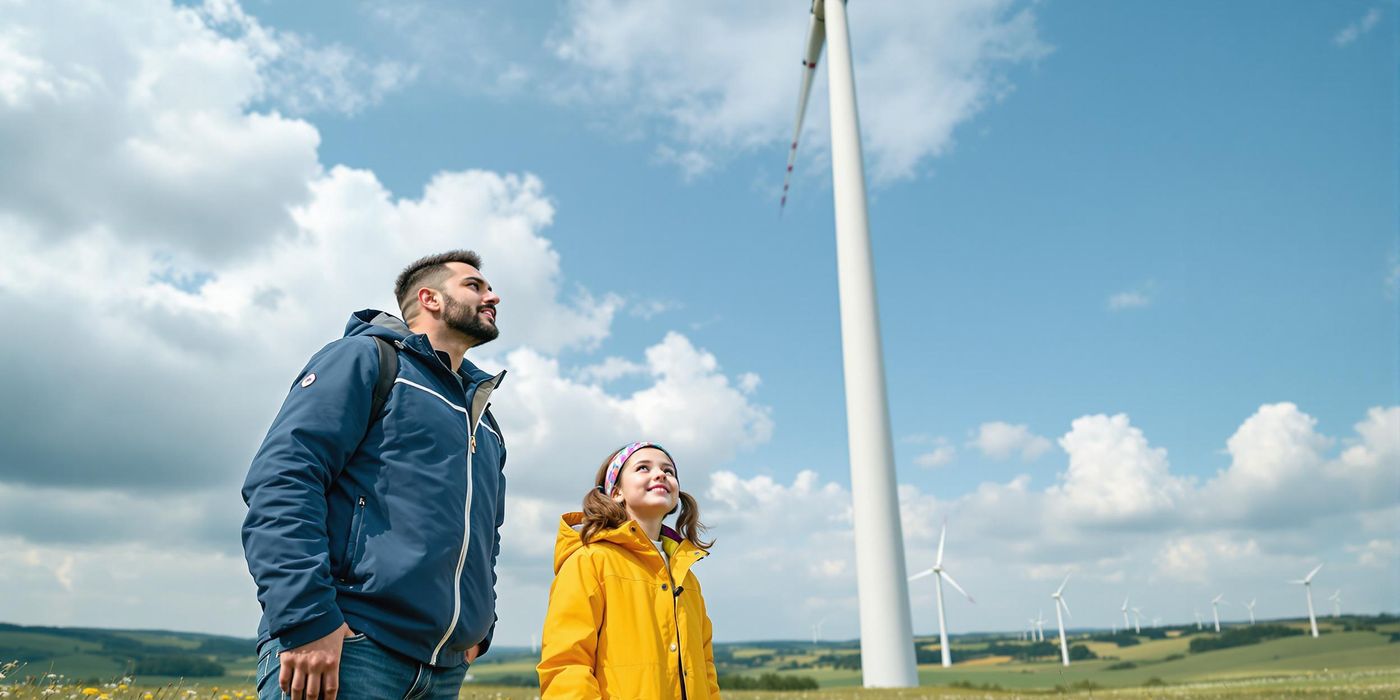
Imagine standing beneath a massive wind turbine, feeling the whoosh of the blades as they generate electricity, or walking through a field of solar panels, soaking in the sun's energy being converted into power. These experiences make abstract concepts concrete and help children understand the scale and potential of renewable energy. Don't hesitate to ask questions and engage with the technology. Many facilities offer guided tours that are both informative and engaging for all ages.
Sustainable Accommodations
Choosing eco-friendly hotels and lodges can also be an educational experience. These accommodations often use renewable energy sources, implement sustainable practices, and offer educational opportunities for guests. Staying in such places allows children to see firsthand how sustainability can be integrated into everyday life.
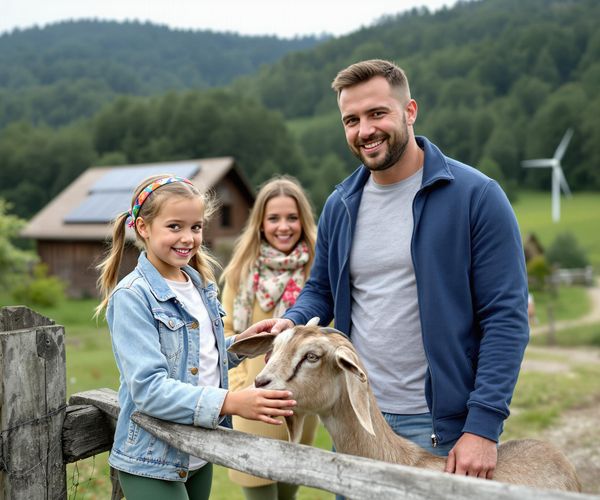
Many sustainable accommodations offer tours and information sessions about their green initiatives. They might showcase their solar panels, rainwater harvesting systems, or energy-efficient designs. Resources like Booking.com now allow you to easily filter your search to find “sustainable properties,” making it simpler to find accommodations that align with your values {image3}.
Hands-On Activities and Experiments
Engaging in hands-on activities and experiments is a fun and effective way to teach children about renewable energy. Simple projects can illustrate basic principles and spark curiosity. For example, building a solar oven from a pizza box is a classic experiment that demonstrates how solar energy can be harnessed to cook food.
Another easy project is making a pinwheel to understand wind power. By observing how the wind turns the blades, children can grasp the concept of converting wind energy into mechanical energy. For more advanced experiments, consider using kits like Horizon's Renewable Energy Science Kit, which offers a range of activities that explore different renewable energy technologies. You can also create a simple solar-powered circuit using a small solar panel, a motor, and some wires to power a small fan or light {image4}.
Cultural Immersion and Local Engagement
Engaging with local communities and cultures can provide valuable insights into renewable energy use and sustainable practices. Visiting local farms and markets, for example, can teach children about sustainable agriculture and the importance of supporting local producers. Understanding how local communities utilize renewable energy sources can offer a unique perspective on its practical applications.
Participating in local conservation projects, such as tree planting or community clean-ups, can also be a meaningful way to engage with the environment and contribute to sustainable practices. These experiences not only educate children about renewable energy but also instill a sense of responsibility and connection to the community.
Integrating Renewable Energy into Daily Life
Incorporating renewable energy concepts into everyday activities can reinforce the lessons learned during travels. Start by reducing energy consumption at home and while traveling. Turn off lights when leaving a room, unplug electronic devices when not in use, and choose energy-efficient appliances.
Recycling and using reusable products are also essential practices. Encourage children to recycle paper, plastic, and glass, and bring reusable water bottles and shopping bags on your trips. Make learning about energy fun with activities like energy-saving scavenger hunts, where kids look for ways to conserve energy around the house. You can also designate power-free fun hours, where the family engages in activities that don't require electricity, such as board games, reading, or outdoor play. By integrating these practices into daily life, you can help children develop a lifelong commitment to sustainability.
Discover how to educate your children about renewable energy by visiting innovative sites and participating in hands-on activities, blending education with adventure.