The Allure of European Cycling Tours
There's something incredibly special about discovering Europe by bicycle. It's not just about getting from point A to point B; it's about the journey itself. Unlike being cooped up in a car or bus, cycling allows you to feel the breeze on your face, smell the wildflowers in the meadows, and truly connect with your surroundings. You have the freedom to stop whenever you please, whether it's to admire a breathtaking view, explore a charming village, or simply enjoy a picnic lunch by the river. The flexibility is unparalleled.
Cycling tours offer a chance to experience culture and nature up close. You'll find yourself pedaling through picturesque vineyards, alongside ancient castles, and through bustling local markets. It's an immersive experience that engages all your senses and creates lasting memories. Plus, let's not forget the health benefits! Cycling is a fantastic way to stay active while exploring new places. And, of course, it's an eco-friendly way to travel, minimizing your impact on the environment.
Planning Your Pedal-Powered Adventure: A Practical Guide
So, you're ready to embark on a European cycling tour? Excellent! The first step is to decide what type of tour is right for you. There are two main options: self-guided and guided tours. Self-guided tours offer more independence and flexibility. You'll be provided with a route map, accommodation bookings, and sometimes luggage transfers, but you're free to cycle at your own pace and explore as you wish. Guided tours, on the other hand, offer the expertise of a tour leader who will guide you along the route, provide historical and cultural insights, and handle all the logistics.
Consider your fitness level when choosing a route. Some routes are relatively flat and easy, while others involve challenging climbs and varied terrain. Be honest with yourself about your abilities and choose a route that you'll enjoy without overexerting yourself. Also, think about the best time of year to cycle in Europe. Spring and autumn generally offer pleasant weather and fewer crowds, but summer can also be a great time to cycle, especially in Northern Europe. Keep in mind that weather patterns can vary depending on the region, so do your research before you go.
My Rhine River Cycling Experience: A Personal Journey
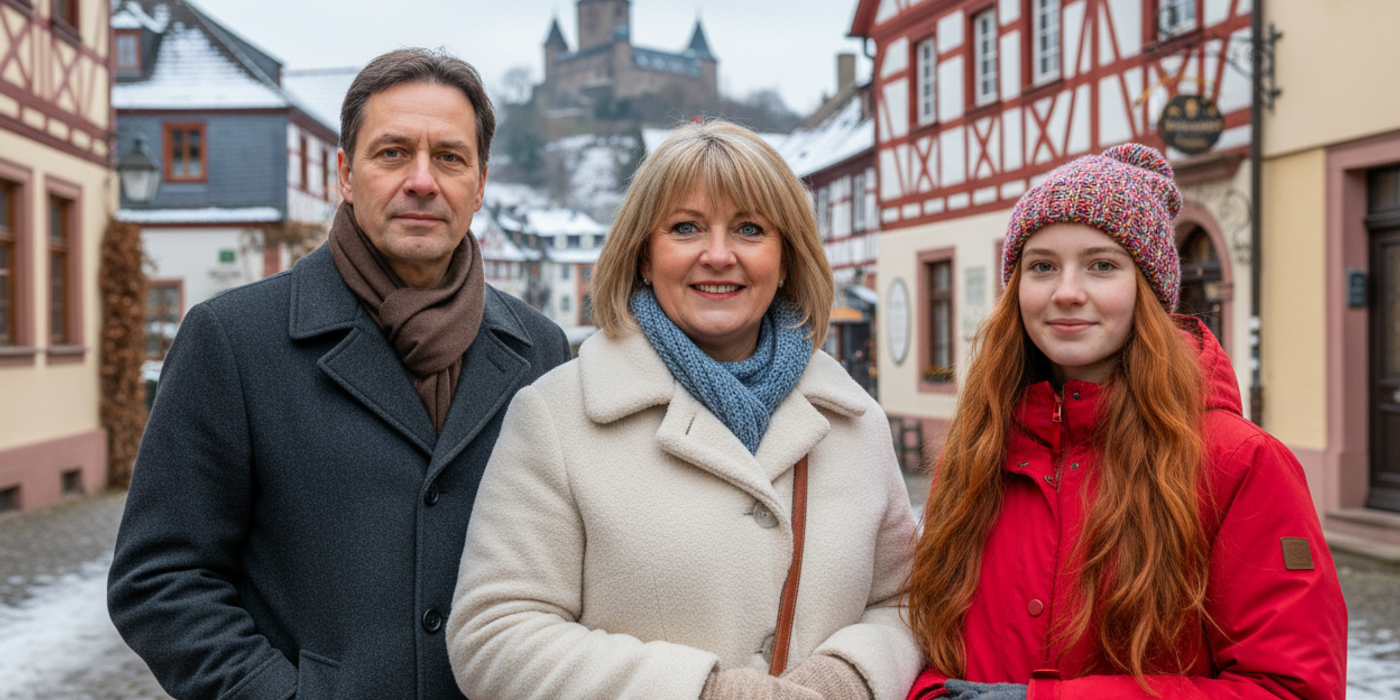
One of my most cherished cycling experiences was along the Rhine River with my husband, Andreas, and our daughter, Sophie. We started our journey in Bonn, our home city, and followed the Rhine downstream, passing through charming villages, rolling vineyards, and imposing castles. The scenery was simply breathtaking. Every turn revealed a new vista, a new photo opportunity, a new reason to fall in love with this beautiful region.
I remember stopping in a small village called Bacharach, where we explored the medieval streets, sampled local wines, and enjoyed a delicious meal at a traditional German restaurant. We also visited the Marksburg Castle, a magnificent fortress perched high above the river, offering stunning views of the surrounding landscape. It was moments like these, shared with my family, that made the Rhine River cycling experience so special. We even learned a few German folk songs from a local musician in Rüdesheim!
Essential Gear and Packing Tips for Cyclists
Proper gear is essential for a comfortable and enjoyable cycling tour. First and foremost, invest in a comfortable bike that fits you well. A well-maintained touring bike or hybrid bike is ideal. Don't forget a helmet, cycling shorts, and gloves to protect yourself from injury and discomfort. For clothing, pack lightweight, breathable layers that can be easily adjusted to changing weather conditions. A waterproof jacket is also a must, as rain showers are always a possibility in Europe.
When it comes to toiletries and other necessities, pack light and choose practical items. Consider travel-sized toiletries, quick-drying towels, and versatile clothing items that can be mixed and matched. And don't forget useful accessories like a bike repair kit, water bottles, maps (or a GPS device), and a camera to capture all the amazing memories.
Safety First: Navigating European Roads and Cycle Paths
Safety should always be a top priority when cycling in Europe. Familiarize yourself with the traffic laws and road etiquette in each country you plan to visit. In most European countries, cyclists are required to use cycle paths where available and to obey traffic signals. Always wear a helmet, use lights (especially at night or in low-light conditions), and signal your turns clearly. Be aware of your surroundings and watch out for other vehicles, pedestrians, and obstacles on the road.
It's also a good idea to know how to handle unexpected situations, such as flat tires or mechanical problems. Carry a basic bike repair kit and learn how to change a tire. If you encounter bad weather, seek shelter and wait for the storm to pass. And if you're unsure about anything, don't hesitate to ask for help from locals or other cyclists.
Beyond the Rhine: Other Scenic European Cycling Routes
While the Rhine River is undoubtedly a fantastic cycling destination, Europe offers many other scenic routes to explore. The Danube Cycle Path, for example, follows the Danube River from Germany to the Black Sea, passing through several countries and offering a diverse range of landscapes and cultures. The Loire Valley in France is another popular choice, known for its beautiful chateaux, vineyards, and charming villages. And for those seeking a more challenging ride, Tuscany in Italy offers rolling hills, picturesque countryside, and delicious cuisine.
No matter which route you choose, be sure to do your research and plan your trip carefully. Consider the terrain, the weather, and the attractions you want to see. And most importantly, be open to new experiences and embrace the unexpected. After all, that's what cycling is all about!
Sustainable Cycling: Respecting the Environment and Local Communities
As cyclists, we have a responsibility to protect the environment and support local communities. When planning your cycling tour, consider the environmental impact of your choices. Choose eco-friendly accommodation, use reusable water bottles, and avoid single-use plastics. Support local businesses by buying food and souvenirs from local markets and shops.
Engage with local communities and learn about their culture. Attend local festivals, visit historical sites, and try local cuisine. By being a responsible and respectful traveler, you can help to preserve the beauty and culture of the places you visit for future generations.
Explore Europe by bicycle! Discover the joys of cycling tours, with tips on routes, packing, and safety.