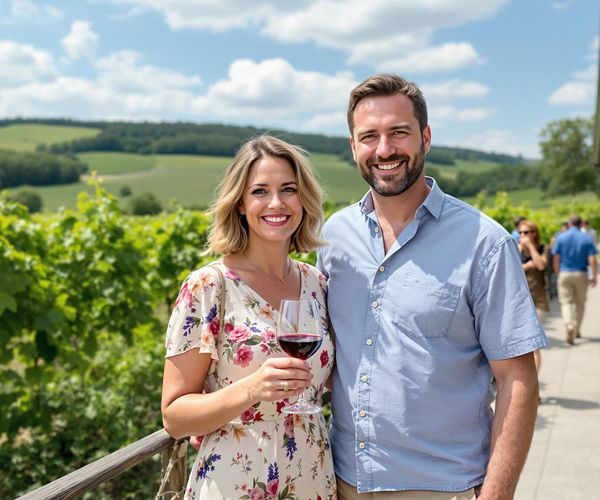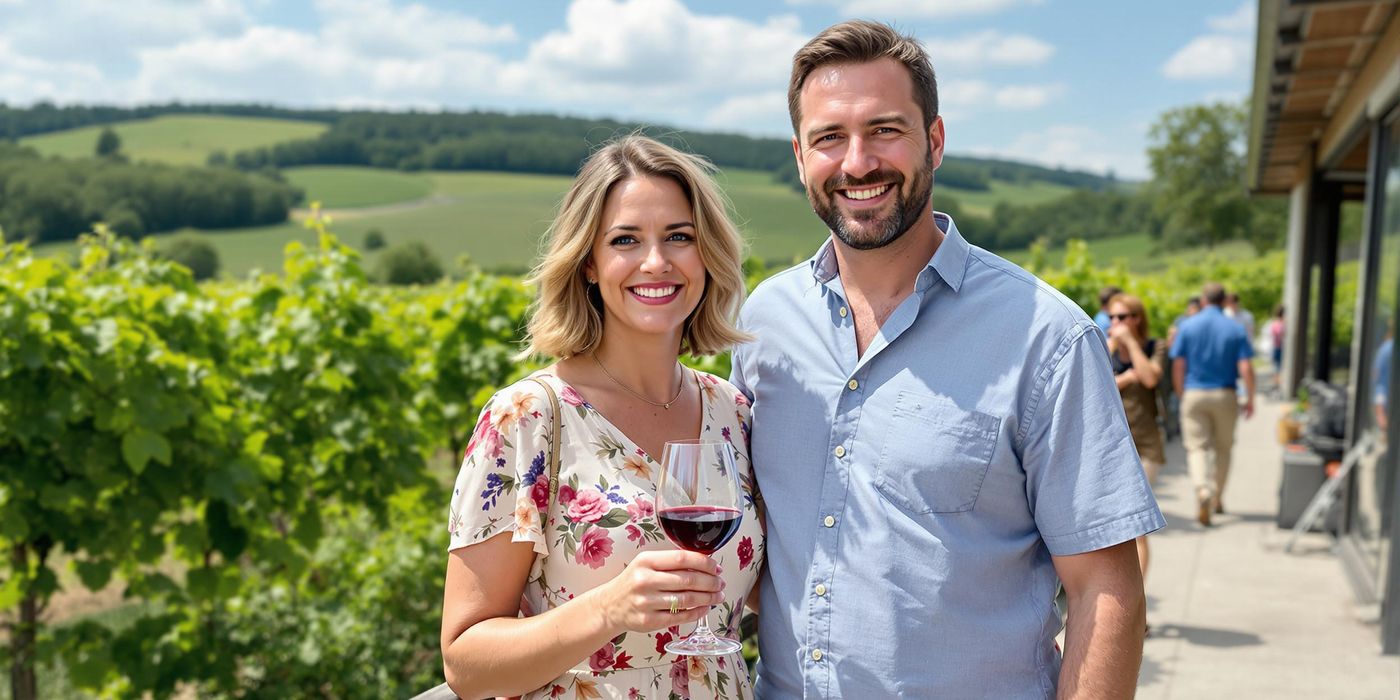
Hello everyone! Maria here, ready to share some tips for those of you who, like me not too long ago, are curious about wine tasting tours but don't know where to begin. My husband, Andreas, and I have really enjoyed exploring the vineyards around Bonn and beyond. So, I thought I'd put together a little guide to help you feel comfortable and confident on your first wine tasting adventure.
What to Expect on Your First Wine Tasting Tour
Imagine rolling hills covered in grapevines, the sun warming your face, and the gentle clinking of glasses. That's often the setting for a vineyard visit! You'll usually start in a tasting room, which can range from a rustic farmhouse to a modern, stylish space. A typical wine tasting tour involves sampling a selection of wines, usually between four and six, and the whole experience can last from an hour to a couple of hours, depending on the vineyard and the tour you choose.
The sommelier or tasting room staff are there to guide you. Don't be intimidated! They're passionate about wine and happy to share their knowledge. They'll tell you about each wine, its characteristics, and the winemaking process. Feel free to ask questions; it's a great way to learn.
Pre-Tour Preparations: Setting Yourself Up for Success
A little preparation goes a long way in ensuring you have a delightful wine tasting experience. Start by doing some research online. Websites like Wine-Searcher and CellarTracker can provide reviews and information about different vineyards. Look for places that appeal to you and fit your budget. Once you've made your choice, make a reservation, especially if you're visiting during peak season. Confirm the tour details, including the duration and the number of wines you'll be tasting.
What you wear matters too! Opt for comfortable clothing and shoes, as you might be walking around the vineyard. Avoid wearing strong perfumes or colognes, as they can interfere with the aroma of the wine. Before you head out, have a light snack and drink plenty of water. This will prepare your palate and prevent you from getting lightheaded.
Finally, consider your budget. Tasting fees can vary, and you might want to purchase a bottle or two of your favorite wine to take home. Factor this into your planning, so you don't have any surprises.
Tasting Techniques: Engaging Your Senses
Now for the fun part: tasting the wine! There's an art to it, and it involves all your senses. First, swirl the wine gently in your glass. This releases the aromas. Then, bring the glass to your nose and inhale deeply. What do you smell? Fruit? Flowers? Spices? Don't worry if you can't identify specific scents right away; it takes practice.
Take a small sip and let the wine coat your mouth. Pay attention to its body (how heavy or light it feels), its tannins (the dryness or astringency), its acidity (the tartness), and its sweetness (if any). Understanding these terms will help you describe what you're experiencing. You might hear about terms like “oaky”, “earthy”, or “fruity”. These describe the aromas and flavors present in the wine.
Observe the color and clarity of the wine. Is it a deep ruby red or a pale straw yellow? Is it clear or cloudy? These visual cues can tell you a lot about the wine. Finally, savor the aftertaste. How long does the flavor linger? Is it pleasant? The aftertaste, or finish, is an important part of the overall experience.
Wine Tasting Etiquette: Dos and Don'ts
Good etiquette ensures everyone has an enjoyable experience. Be punctual and respectful of the vineyard staff. They're there to help you, so treat them with kindness and courtesy. When pouring and sampling, be mindful of portion sizes. You don't need to empty the glass each time; a small sip is enough to get a sense of the wine. Most vineyards provide a spittoon, so don't be afraid to use it if you want to avoid overindulging.
Ask questions and engage with the presenter. They'll appreciate your interest and be happy to share their knowledge. Avoid distractions like cell phone use and loud conversations. Be considerate of other tasters and keep the noise level down. If you decide to buy wine, do so at the end of the tasting. It's a nice way to show your appreciation and support the vineyard.
Pairing Wine with Food: Enhancing the Tasting Experience
Pairing wine with food can elevate your tasting experience to a whole new level. The basic principle is to match the flavors and intensity of the wine with the food. For example, light-bodied white wines pair well with delicate dishes like fish or salads, while full-bodied red wines go well with richer, heartier fare like steak or stews.
Local cuisine often complements regional wines perfectly. In Germany, for instance, you might pair a Riesling with Sauerbraten (marinated pot roast) or a Spätburgunder (Pinot Noir) with wild game. Cheese, charcuterie, and desserts are also excellent accompaniments to wine. A crisp white wine can cut through the richness of a creamy cheese, while a sweet dessert wine can complement the sweetness of a chocolate cake.
Consider seasonal ingredients when pairing wine with food. A light, fruity rosé is perfect for a summer picnic, while a warm, spicy red is ideal for a cozy winter dinner. Experiment and have fun! The best way to learn about food and wine pairing is to try different combinations and see what you like.
A beginner's guide to wine tasting tours. Learn what to expect, how to taste wine, and etiquette tips for enjoying vineyard visits. Maria shares her experiences and advice.