As a floral designer, I'm naturally drawn to vibrant colours, unique textures, and the stories behind beautiful creations. This passion extends beyond my work and into my travels, where I find myself irresistibly pulled towards local markets. Forget sterile supermarkets – markets are where you truly connect with a culture, meet the people, and discover treasures you won't find anywhere else. Join me as I share my tips for navigating these bustling hubs and shopping like a local!
Embracing the Local Market Experience
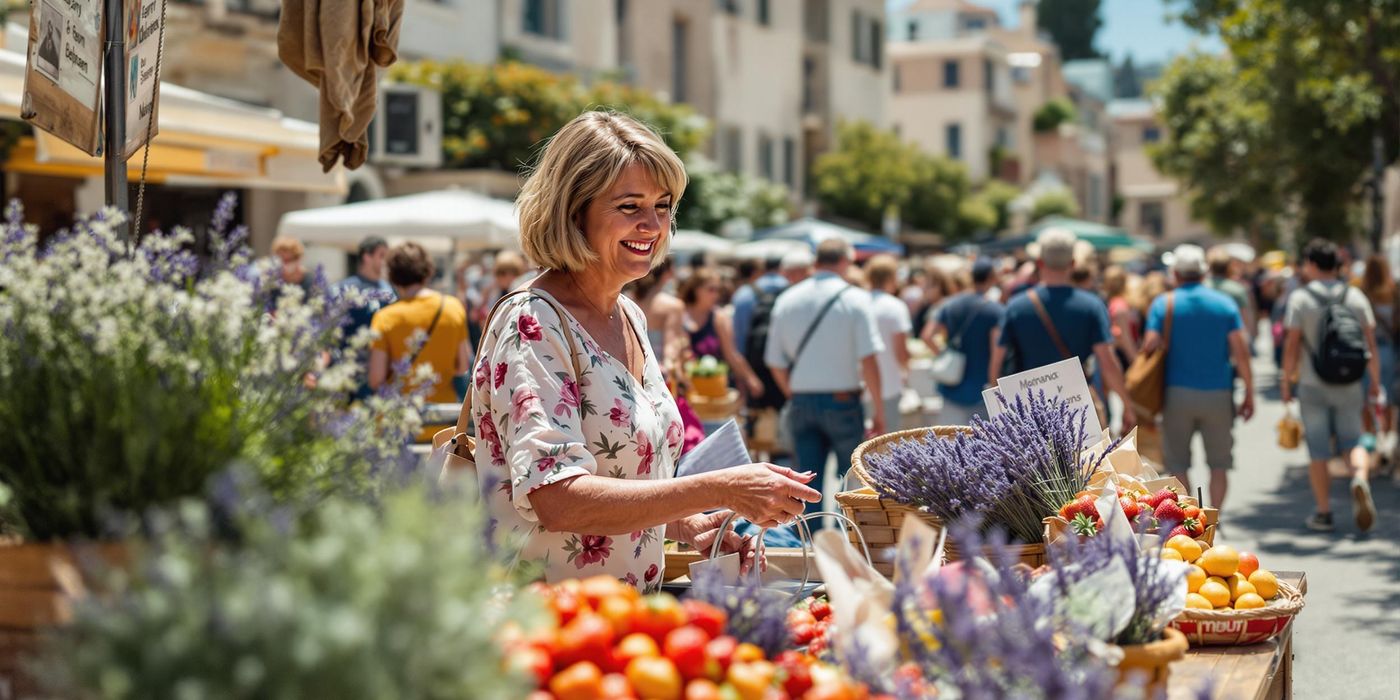
There's something magical about wandering through a local market. The air buzzes with energy, a symphony of voices bartering, vendors calling out their wares, and the aroma of exotic spices mingling with freshly baked bread. I remember visiting a market in Provence, France. The colours of the flowers, the scent of lavender, and the friendly chatter of the vendors created an unforgettable sensory experience. It was a world away from the predictable aisles of a supermarket.
Local markets offer a glimpse into the heart of a community. You see what people eat, what they value, and how they interact. It's a chance to escape the tourist traps and immerse yourself in authentic culture. For me, it's about more than just buying souvenirs; it's about creating memories and connecting with people.
Navigating the Market: Practical Tips
Before you dive into the vibrant chaos, a little preparation can go a long way. Here are some of my tried-and-true tips for navigating the market like a pro:
- Best Times to Visit: Consider whether you're an early bird or prefer end-of-day bargains. Early mornings often offer the freshest produce and fewer crowds, while late afternoons might yield discounted prices as vendors try to clear their stock.
- What to Bring: Always carry reusable bags to reduce plastic waste. Cash is king, especially in smaller denominations, as many vendors don't accept cards. And, of course, bring a sense of adventure and an open mind!
- How to Dress: Comfort is key! Wear comfortable shoes, as you'll likely be doing a lot of walking. Dress respectfully, considering local customs. In some cultures, it's important to cover your shoulders and knees, especially when visiting religious sites within or near the market.
- Navigating Crowds: Be mindful of personal space and your belongings. Keep your valuables secure and be aware of your surroundings. A friendly smile and a polite excuse me can go a long way in navigating crowded spaces.
Engaging with Vendors: Building Connections
The vendors are the heart and soul of the market. Taking the time to engage with them can enrich your experience and lead to unexpected discoveries.
- Importance of Politeness: A simple hello and thank you in the local language can make a big difference. Even if you only know a few basic phrases, it shows respect and willingness to connect.
- Asking Questions: Don't be afraid to ask vendors about their products. Where do they come from? How are they made? What's the best way to use or prepare them? You might learn something new and discover a hidden gem.
- Building Rapport: A smile and a genuine interest in their craft can go a long way in building rapport with vendors. Share a little about yourself and why you're interested in their products. You might be surprised at the connections you make.
- Respecting Expertise: Vendors are experts in their field. Trust their recommendations and be open to trying new things. They often have insider knowledge about the best products and the best ways to use them.
The Art of Bargaining (Where Appropriate)
Bargaining can be a fun and rewarding part of the market experience, but it's important to do it respectfully and ethically. Before you start negotiating, research local customs to determine whether bargaining is acceptable or offensive.
- Tips for Respectful Negotiation: Start with a reasonable offer, even if it's lower than the asking price. Be polite and avoid being aggressive or demanding. Remember, the goal is to reach a mutually agreeable price.
- Knowing When to Walk Away: If you can't reach an agreement on a price, be prepared to walk away. Sometimes, the vendor will call you back with a better offer. Other times, it's best to simply accept that the price is not right for you.
- Buying Multiple Items: If you're buying multiple items from the same vendor, you may be able to negotiate a better deal. Ask if they offer a discount for bulk purchases.
Spotting Authentic Products and Hidden Gems
One of the joys of shopping at local markets is discovering unique, locally made items that you won't find anywhere else. Here's how to spot authentic products and hidden gems:
- Looking Beyond Tourist Trinkets: Don't be tempted by the mass-produced souvenirs. Seek out items that are handcrafted, locally sourced, or unique to the region.
- Identifying Quality: Pay attention to the materials, craftsmanship, and authenticity of the products. Look for items that are well-made and durable, and that reflect the local culture and traditions.
- Engaging Your Senses: Use your senses to evaluate the products. Smell the spices, taste the samples (when offered), and feel the fabrics. This can help you identify quality and authenticity.
- Supporting Local Artisans: By purchasing directly from local artisans and businesses, you're supporting their livelihoods and helping to preserve their cultural heritage.
Sustainable Shopping at Local Markets
Local markets offer a great opportunity to shop sustainably and support local communities. Here are some tips for making eco-friendly and ethical choices:
- Reducing Packaging Waste: Bring your own reusable bags and containers to reduce plastic waste. Refuse single-use packaging whenever possible.
- Supporting Local and Organic Produce: Choose locally grown and organic produce to reduce food miles and promote healthy farming practices. Ask vendors about their farming methods and certifications.
- Ethical Considerations: Ensure that you're paying fair prices for the products you purchase. Avoid buying items that exploit workers or harm the environment.
- Making Informed Decisions: Research the products you're buying and make informed decisions about their origin, production, and impact on the community and environment.
Cultural Etiquette: Showing Respect
When visiting local markets, it's important to be respectful of local customs and traditions. Here are some tips for showing respect:
- Researching Local Customs: Before you go, research local customs and traditions to understand appropriate behavior and avoid cultural faux pas. Learn about local greetings, dress codes, and etiquette.
- Respecting Religious Sites: If the market is located near a religious site, dress modestly and behave respectfully. Avoid making noise or taking photos without permission.
- Being Mindful of Gestures: Be aware that certain gestures and body language may be offensive in some cultures. Avoid using hand gestures that could be misinterpreted.
- Adapting to Communication Styles: Be aware of local communication styles. Some cultures are high-context, relying on nonverbal cues and shared understanding, while others are low-context, relying on direct and explicit communication. Adapt your communication style accordingly.
Unique Market Finds: Examples from My Travels
Over the years, I've collected a treasure trove of unique items from local markets around the world. Each item tells a story and reminds me of the people I met and the experiences I had.
One of my favorite finds is a hand-painted ceramic bowl from a market in Portugal. The bowl is decorated with vibrant colors and intricate patterns, reflecting the region's rich artistic heritage. I bought it from a local artisan who had been making pottery for generations. Every time I use the bowl, I'm reminded of the warmth and hospitality of the Portuguese people.
Another cherished item is a hand-woven scarf from a market in Morocco. The scarf is made from soft, natural fibers and dyed with traditional plant-based dyes. I bought it from a Berber woman who told me about the history and symbolism of the patterns. The scarf is not just a piece of clothing; it's a work of art that represents the culture and traditions of the Berber people.
These unique market finds are more than just souvenirs; they're tangible reminders of my travels and the connections I've made along the way. They're a way to bring a piece of the world home with me and to share my experiences with others.
Explore vibrant local markets and learn to shop like a local. Get tips on bargaining, finding unique items, and supporting local economies for an immersive cultural experience.