As someone who traded the sun-kissed beaches of Penonomé for the vibrant, yet sometimes grey, skies of Berlin, I've learned a thing or two about adapting to a different pace of life. This extends to my travels as well. Gone are the days of rushing from one tourist hotspot to another, checklist in hand. Now, it's all about savoring the journey, connecting with locals, and truly immersing myself in the culture. Welcome to the art of slow travel!
What is Slow Travel?
Slow travel is more than just a trend; it's a conscious choice to experience the world in a more meaningful way. It's about slowing down, taking your time, and connecting with the places you visit on a deeper level. Think of it as the antithesis of whirlwind tours and jam-packed itineraries.
Instead of trying to see everything, slow travel encourages you to focus on quality over quantity. It's about choosing a destination and really getting to know it, rather than just ticking off the main attractions. It’s a shift from ‘seeing’ a place to truly ‘experiencing’ it.
The slow travel movement has roots in the slow food movement, which began in Italy in the 1980s as a protest against fast food and the homogenization of culinary experiences. Just as slow food emphasizes fresh, local ingredients and traditional cooking methods, slow travel emphasizes authentic experiences, cultural immersion, and sustainable practices. It’s also closely related to sustainable travel, mindful travel, and low-impact travel, all of which prioritize minimizing your environmental footprint and supporting local communities.
The Benefits of Slowing Down
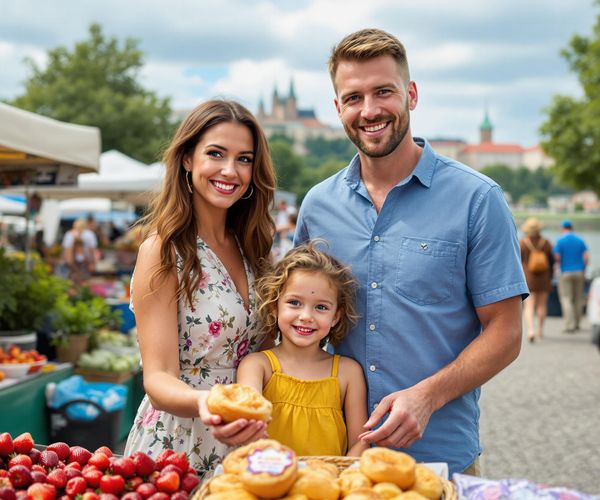
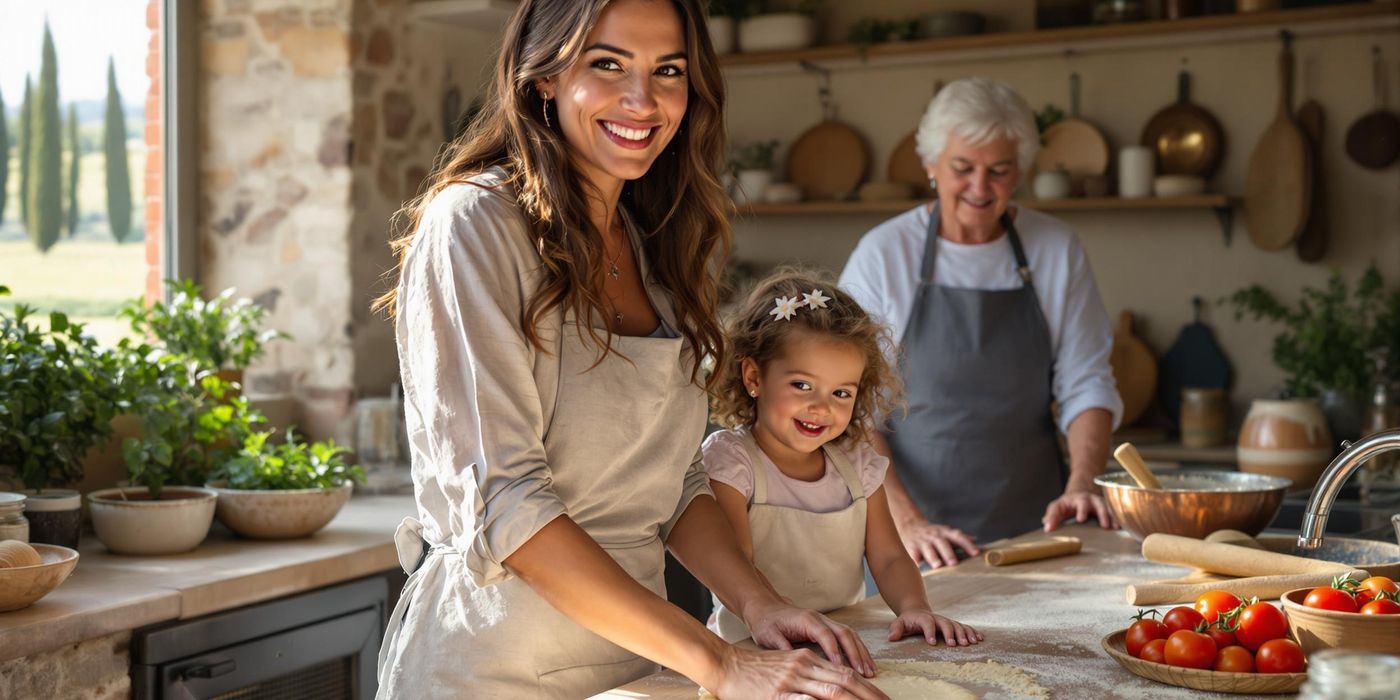
One of the most rewarding aspects of slow travel is the deeper cultural immersion it offers. When you're not rushing to the next sight, you have time to wander through local markets, strike up conversations with residents, and discover hidden gems that you wouldn't find in a guidebook. I remember spending an afternoon in a small village in Tuscany, learning how to make pasta from a Nonna. That's an experience I'll cherish forever, and it wouldn't have been possible if I'd been on a tight schedule.
Slow travel is also fantastic for your well-being. It reduces stress by allowing you to relax and enjoy the moment, rather than constantly worrying about what's next. Plus, it often involves spending time outdoors, whether it's hiking through the mountains or cycling along the coast, which is great for both your physical and mental health. As a freelancer juggling work and family life, the opportunity to disconnect and recharge is invaluable.
Beyond the relaxation and cultural immersion, slow travel fosters personal growth. Stepping outside your comfort zone, embracing new experiences, and interacting with people from different backgrounds can broaden your perspective and increase your self-confidence. It’s about self-discovery through introspection and new perspectives. Living in Berlin has taught me the beauty of embracing the unknown, and slow travel extends that philosophy to every corner of the globe.
And let's not forget the potential for cost savings! By traveling at a slower pace, you can often find more affordable accommodations, eat at local restaurants, and take advantage of free activities, like exploring parks or attending community events. Budget-conscious choices are key!
Planning a Slow Travel Itinerary
Planning a slow travel itinerary is all about embracing flexibility and spontaneity. The key is to resist the urge to over-schedule and instead, allow yourself the freedom to explore and discover as you go.
Start by choosing a destination that intrigues you and plan to stay there for an extended period – a week, a month, or even longer. This will give you ample time to experience the local culture firsthand. Do some research beforehand, but don't be afraid to deviate from your original plans based on recommendations from locals or fellow travelers.
Speaking of locals, don't hesitate to ask them for recommendations on where to eat, what to see, and what to do. They can often point you to hidden gems that aren't on the typical tourist trail. And when possible, try to explore off-the-beaten-path destinations that offer a more authentic glimpse into local life.
When it comes to transportation, consider using slower, more sustainable methods, such as walking, cycling, or public transport. This will not only allow you to see more of the countryside but also reduce your environmental impact. On a recent trip to the Netherlands, my family and I rented bikes and spent a week cycling through charming villages and tulip fields. It was an unforgettable experience!
Finally, opt for local accommodations, such as vacation rentals, guesthouses, or family-run hotels. This will give you a chance to interact with locals and get a better sense of the culture. Plus, it's often more affordable than staying in a large chain hotel.
Making Meaningful Connections
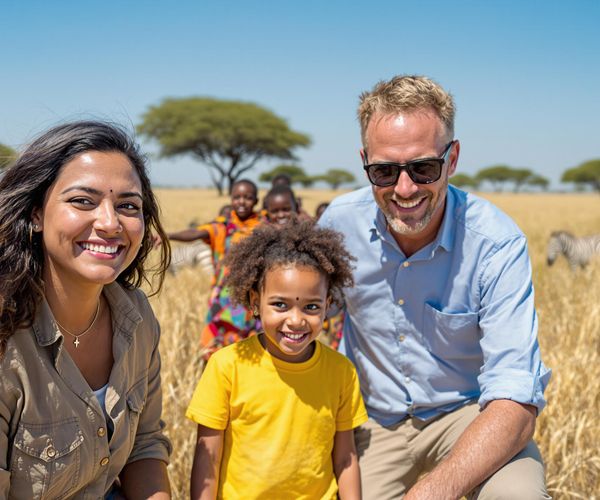
One of the most enriching aspects of slow travel is the opportunity to connect with locals and fellow travelers. These connections can lead to profound cultural exchanges and lifelong friendships.
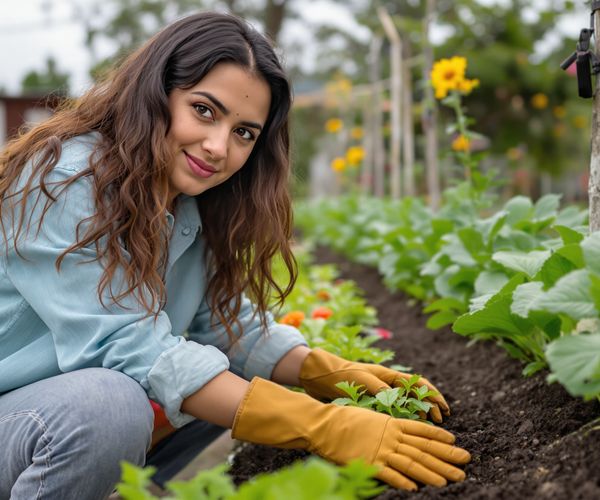
Look for opportunities to engage in activities that bring you into contact with the local community, such as volunteering, participating in community projects, or attending local events. When I volunteered at a community garden in a small town in Costa Rica, I not only learned about sustainable farming practices but also made friends with some amazing people.
Learning a few basic phrases in the local language can also go a long way in building connections and showing respect for the culture. And don't be afraid to adapt to local customs, even if they're different from what you're used to. Embracing the local way of life is a sign of respect and can open doors to new experiences.
I remember once getting lost in the medina of Marrakech, Morocco. Instead of panicking, I asked a local shopkeeper for directions. He not only guided me back to my riad but also invited me in for a cup of mint tea and shared stories about his family and his city. It was a simple gesture, but it made a lasting impression on me.
The Cultural and Personal Growth Aspects
Slow travel is a powerful tool for cultural immersion. It allows you to delve deeper into local traditions, participate in cultural activities, and savor local cuisine. It's about more than just seeing the sights; it's about understanding the history, politics, and social dynamics of a destination.
By taking the time to learn about a place's past, you can gain a deeper appreciation for its present. And by engaging with local communities, you can contribute to its future. During a trip to Colombia, I spent several days learning about the country's coffee-growing traditions from local farmers. It was fascinating to hear their stories and learn about the challenges they face.
Slow travel also fosters personal growth. It increases self-confidence, adaptability, and open-mindedness. It encourages you to step outside your comfort zone, challenge your assumptions, and embrace new perspectives.
By slowing down and being present in the moment, you can gain a new appreciation for the world around you and your place in it. It's about bringing more meaning to your travels through hands-on involvement and introspection.
Finally, slow travel is often more environmentally friendly than conventional tourism. By reducing your carbon footprint, supporting local businesses, and respecting local ecosystems, you can help to preserve the planet for future generations. And that's something we can all feel good about.
Discover the joys of slow travel: immerse yourself in local cultures, reduce stress, and foster meaningful connections. Learn how to plan a slow travel itinerary.