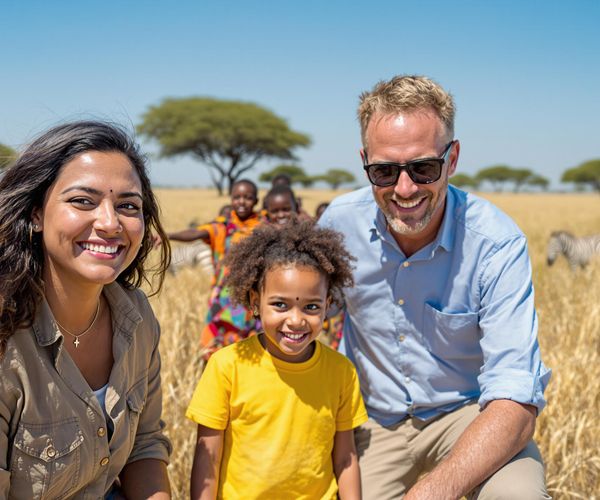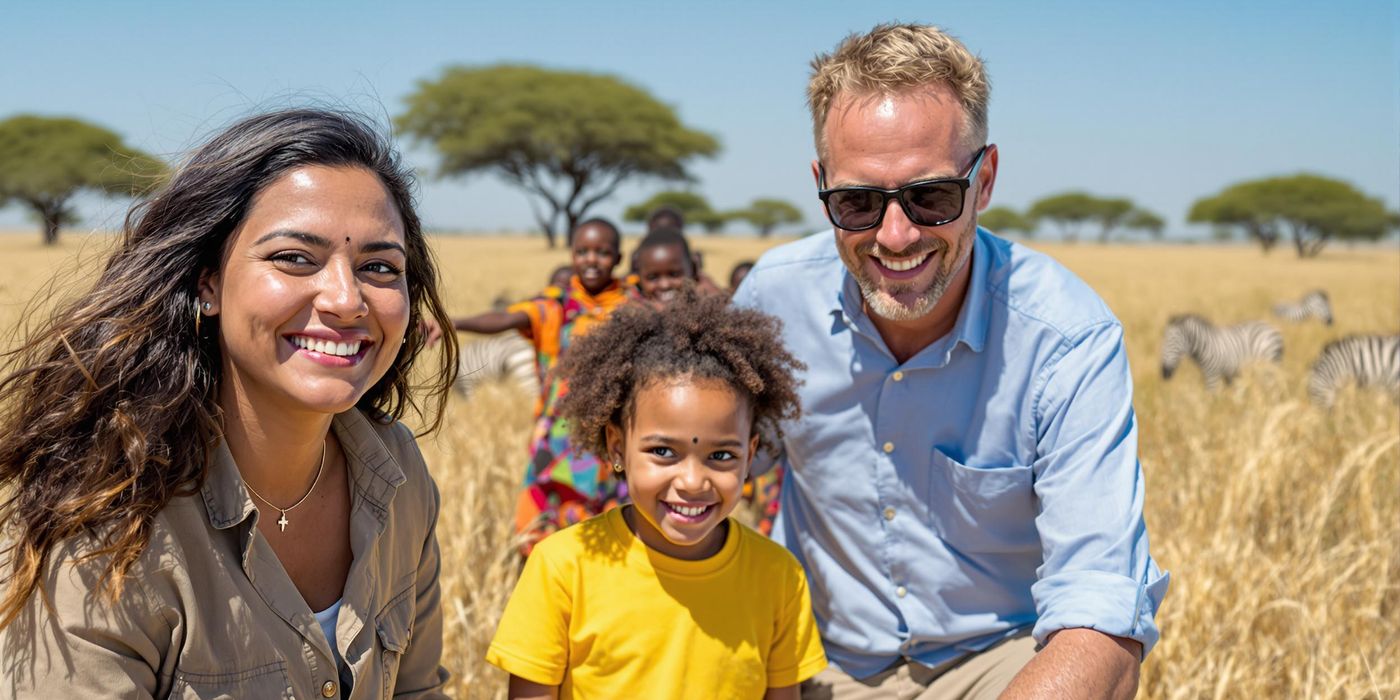
As a Panamanian now living in Berlin, I've always felt a deep connection to nature. From the lush rainforests of my childhood to the urban wildlife thriving in Berlin's parks, animals have always fascinated me. But with the rise of tourism, I've become increasingly aware of the impact we have on these creatures and their habitats. That's why I'm passionate about responsible wildlife tourism – a way to explore the natural world while ensuring its protection for future generations.
The Allure and Impact of Wildlife Tourism
Wildlife tourism has exploded in popularity, and it's easy to see why. Who wouldn't want to witness the majestic migration of wildebeest in the Serengeti or watch playful monkeys swing through the Costa Rican rainforest? These experiences can be truly transformative, connecting us with nature in a profound way and fostering a sense of responsibility. The revenue generated from wildlife tourism can also be a significant boon, funding crucial conservation projects and anti-poaching efforts.
However, the rise in wildlife tourism isn't without its downsides. Irresponsible tourism can have devastating effects, disturbing animals, causing them stress, and even damaging their habitats. Imagine hordes of tourists crowding a nesting site, or the impact of constant noise and pollution on fragile ecosystems. It's a delicate balance, and it's up to us as travelers to ensure we're part of the solution, not the problem.
Defining Responsible Wildlife Tourism
So, what exactly is responsible wildlife tourism? At its core, it's about prioritizing the well-being of animals, supporting conservation efforts, and benefiting local communities. It means adhering to ethical guidelines and practices that minimize our negative impact and maximize the positive contributions we can make. Sustainable tourism plays a vital role, ensuring that our actions today don't compromise the ability of future generations to enjoy and benefit from the natural world.
Ethical Guidelines for Wildlife Encounters
Here are some practical guidelines to keep in mind during your wildlife encounters:
- Maintaining a Safe Distance: Always respect an animal's personal space. Use binoculars or a zoom lens to observe from afar rather than approaching too closely.
- Avoiding Direct Interaction: Resist the urge to touch, feed, or handle wild animals. Human interaction can disrupt their natural behaviors and even spread diseases.
- Respecting Habitats: Be mindful of the environment. Avoid trampling vegetation, disturbing nesting sites, and always leave no trace of your visit. Pack out everything you pack in.
- Photography Ethics: Use long lenses to capture stunning images without disturbing the animals. Avoid flash photography, which can startle or disorient them, and always prioritize their well-being over getting the perfect shot.
Choosing Ethical Wildlife Experiences
One of the most important steps in responsible wildlife tourism is choosing the right tour operators and attractions. Look for companies that are committed to conservation and have affiliations with reputable organizations. Don't be afraid to ask questions about their practices and policies.
Consider visiting sanctuaries and rescue centers that prioritize animal well-being and contribute to conservation efforts. These facilities often provide a safe haven for injured or orphaned animals and play a vital role in education and research.
It's equally important to avoid exploitative activities. Steer clear of attractions that involve captive animals, animal performances, or harmful practices like elephant riding or posing with drugged animals. These activities often prioritize profit over animal welfare and can contribute to the illegal wildlife trade.
The Role of Local Communities
Engaging local communities is crucial for successful conservation efforts. When local people benefit from wildlife tourism, they are more likely to protect the animals and their habitats. Support community-based tourism initiatives that provide economic benefits and promote sustainable practices.
The Maasai Mara in Kenya is a shining example of successful community involvement. Local Maasai communities have partnered with tourism operators to create conservancies that protect wildlife and provide income for the community. This collaborative approach has been instrumental in preserving the Mara's incredible biodiversity.
Supporting Conservation Through Tourism
Tourism revenue can be a powerful tool for funding conservation projects, anti-poaching efforts, and habitat restoration. When you choose responsible wildlife experiences, you're directly contributing to these vital initiatives.
Destinations like Botswana, Costa Rica, and the Galapagos Islands have demonstrated how tourism can directly support conservation. These places have implemented sustainable tourism practices and policies that protect their natural resources and benefit local communities.
In addition to choosing responsible tour operators, consider donating to conservation organizations and supporting local conservation initiatives. Every little bit helps!
Staying Informed and Advocating for Change
Education and awareness are key to promoting responsible wildlife tourism. The more we know about the impact of our actions, the better equipped we are to make informed choices.
If you witness instances of animal abuse or irresponsible behavior, don't hesitate to report it to the appropriate authorities. Your voice can make a difference.
Finally, use social media to advocate for ethical wildlife tourism and share your positive experiences. By spreading the word, we can inspire others to travel responsibly and protect the world's incredible wildlife.
Explore the world responsibly. Learn how to engage in wildlife tourism that supports conservation efforts and respects animal welfare. Ethical travel for a sustainable future.