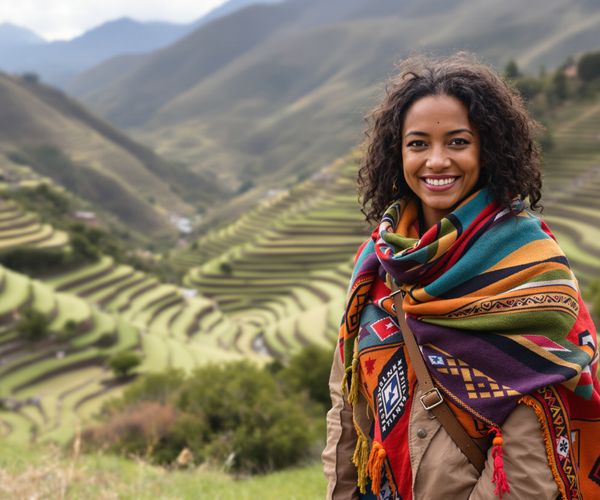
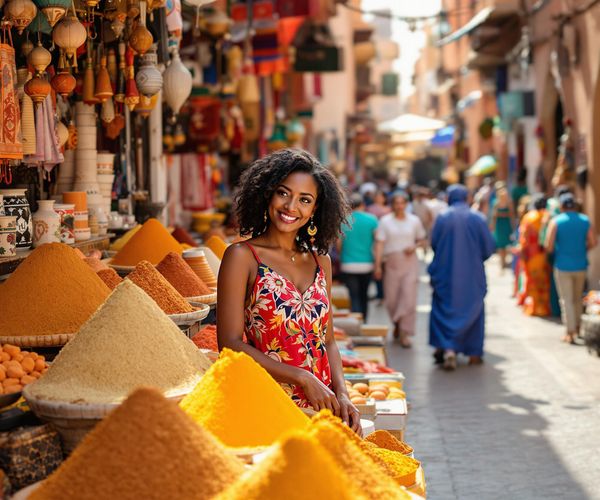
Food is more than just sustenance; it's a universal language that speaks volumes about culture, history, and tradition. As a travel blogger and a native of Madagascar now living in Montreal, I've always believed that one of the best ways to truly understand a place is through its cuisine. Join me as I explore the world of culinary travel, sharing my experiences and insights into how food can be a gateway to cultural immersion.
The Essence of Culinary Travel
Culinary travel goes beyond simply eating at restaurants; it’s about engaging with the local food culture on a deeper level. It's about understanding the stories behind the dishes, the ingredients that make them unique, and the traditions that have shaped them over generations. Food is a powerful form of cultural expression, reflecting a region's history, geography, and social customs.
I remember my first trip to Italy. Of course, I visited the famous landmarks, but it was the food that truly captivated me. From learning to make pasta from scratch in a small Tuscan village to savoring the freshest seafood in Cinque Terre, each meal was a lesson in Italian culture and history. These experiences made me realize that food is not just fuel; it's a way to connect with people and places on a profound level.
Today, more and more travelers are prioritizing food experiences. They are seeking out authentic culinary adventures that offer a genuine taste of local culture. This growing trend reflects a desire for more meaningful and immersive travel experiences, where food plays a central role.
Engaging with Local Cuisine: A Hands-On Approach
One of the best ways to immerse yourself in a local food culture is by getting your hands dirty. Cooking classes offer a unique opportunity to learn about local ingredients and techniques, while also providing a fun and interactive experience.
I've taken cooking classes in several countries, each offering its own unique lessons. In Thailand, I learned the art of balancing sweet, sour, salty, and spicy flavors in traditional dishes like Pad Thai and Green Curry. In Morocco, I discovered the secrets of tagine cooking and the importance of spices like cumin, coriander, and saffron. These classes not only taught me new skills but also gave me a deeper appreciation for the culinary traditions of these regions.
Food tours are another fantastic way to discover hidden culinary gems and understand local history. A knowledgeable guide can lead you through bustling markets, introduce you to local producers, and share stories about the dishes you taste. These tours often uncover hidden culinary gems that you might not find on your own.
When searching for food tours and cooking classes, look for options that are run by locals and focus on authentic experiences. Read reviews, ask for recommendations, and don't be afraid to venture off the beaten path. Websites like Cookly and Eatwith offer a variety of cooking classes and culinary experiences around the world.
Marie's Malagasy Culinary Heritage
As a native of Madagascar, I’m incredibly proud of my country's unique and flavorful cuisine. Malagasy food is a delightful fusion of African, Asian, and European influences, reflecting the island's diverse history and cultural heritage.
Vanilla is one of Madagascar's most famous exports, and it plays a prominent role in many Malagasy desserts and savory dishes. Other essential spices include cloves, cinnamon, ginger, and turmeric, which add warmth and depth to the cuisine. Rice is a staple food, often served with a variety of flavorful stews and curries.
Growing up in Miarinarivo, I spent countless hours in the kitchen with my grandmother, learning to prepare traditional Malagasy dishes. These moments were not just about cooking; they were about connecting with my family, my culture, and my heritage. Sharing these dishes with friends and family is a way for me to share a piece of my homeland.
Here are a couple of popular Malagasy dishes:
- Akoho misy Sakamalao (Chicken with Ginger): A flavorful chicken dish cooked with ginger, garlic, onions, and tomatoes.
- Romazava (Meat Stew with Greens): A hearty meat stew made with various greens, ginger, garlic, and tomatoes.
Here’s a family recipe for Akoho misy Sakamalao:
Ingredients:Instructions:
- 1 kg chicken pieces
- 2 large onions, chopped
- 4 cloves garlic, minced
- 2 inches ginger, grated
- 2 tomatoes, chopped
- 2 tbsp vegetable oil
- Salt and pepper to taste
- Heat the vegetable oil in a large pot or Dutch oven.
- Add the chicken pieces and brown on all sides.
- Remove the chicken from the pot and set aside.
- Add the chopped onions, minced garlic, and grated ginger to the pot and sauté until softened.
- Add the chopped tomatoes and cook for a few more minutes.
- Return the chicken to the pot.
- Season with salt and pepper to taste.
- Add enough water to cover the chicken.
- Bring to a boil, then reduce heat and simmer for about 1 hour, or until the chicken is tender.
- Serve hot with rice.
Creating Your Own Culinary Adventure
I encourage you to step outside your comfort zone and try new foods. Be open to unfamiliar flavors and textures, and don't be afraid to ask questions about the dishes you're trying. Embrace the opportunity to learn about different cultures through their cuisine.
When engaging with local food cultures, it's essential to be respectful and mindful of local customs and traditions. Ask permission before taking photos, be mindful of dietary restrictions, and always express your gratitude for the food you're served.
There are countless unique dining experiences to be had around the world. From underwater restaurants in the Maldives to dining in caves in Italy, these experiences offer a memorable and immersive way to connect with a place through its food. Websites like Atlas Obscura and Culture Trip can help you find unique dining experiences around the world.
Finally, remember to support local businesses and sustainable food practices while traveling. Shop at local markets, eat at family-owned restaurants, and choose tour operators that prioritize responsible tourism. By doing so, you can help preserve local food cultures and contribute to the economic well-being of the communities you visit.
Explore how food experiences can enhance cultural understanding and travel enjoyment. Delve into culinary travel and discover how food can be a gateway to understanding culture.