As a Malagasy native, my heart swells with pride whenever I think of my homeland's unparalleled biodiversity. Madagascar, an island nation teeming with life found nowhere else on Earth, holds a special place in my heart. But this natural treasure is under threat, making conservation efforts more critical than ever. Join me as I explore how you, as a traveler, can become a champion for Madagascar's precious ecosystems.
The Allure of Madagascar's Biodiversity
Madagascar is a living laboratory of evolution, home to a staggering array of endemic species. From the iconic lemurs, with their captivating eyes and playful antics, to the vibrant chameleons that blend seamlessly into their surroundings, the island is a treasure trove of natural wonders. These unique ecosystems are not only beautiful but also vital to the health of our planet. However, deforestation, habitat loss, and poaching threaten this natural heritage, making conservation efforts paramount.
Understanding Ecotourism in Madagascar
Ecotourism offers a sustainable way to experience Madagascar's beauty while contributing to its preservation. It's about traveling responsibly, minimizing your impact on the environment, and supporting local communities. Ecotourism fosters a symbiotic relationship between nature and visitors, where tourism revenue directly benefits conservation initiatives and provides economic opportunities for local people. By choosing eco-friendly tours and accommodations, you can ensure that your visit leaves a positive footprint.
Traveler's Role as Conservation Advocates
As travelers, we have the power to make a real difference. Our choices can influence the direction of tourism, encouraging practices that protect rather than exploit natural resources. Tourism can provide crucial financial resources for the government and local organizations to protect natural areas and wildlife. By actively seeking out and supporting conservation-focused initiatives, we become advocates for the environment, ensuring that future generations can enjoy Madagascar's wonders.
Examples of Conservation Projects to Support
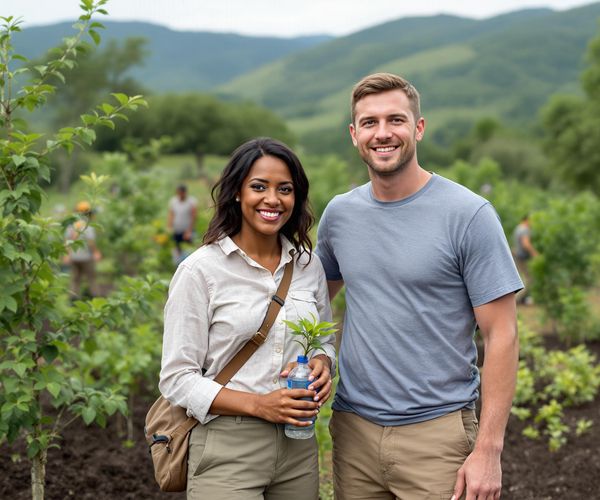
There are numerous conservation projects in Madagascar dedicated to protecting wildlife and restoring habitats. The Madagascar Biodiversity Partnership, for example, is actively involved in reforestation efforts, planting trees to restore degraded forests and provide habitat for lemurs and other species. Other projects focus on protecting specific species, such as the endangered radiated tortoise, or combating illegal logging and wildlife trade. By supporting these projects through donations or volunteering, you can directly contribute to their success.
Community Involvement in Conservation
Many conservation programs in Madagascar recognize the importance of engaging local communities in wildlife protection and sustainable land use. These programs empower communities to become stewards of their environment, providing them with the resources and training they need to protect natural resources. Ecotourism plays a crucial role in this, providing sustainable income sources for local people and preserving cultural heritage. By supporting community-based tourism initiatives, you can help ensure that conservation efforts are both effective and equitable.
Marie's Experiences in Madagascar's Wildlife Conservation
Growing up in Madagascar, I witnessed firsthand the impact of conservation efforts. I remember visiting a local community that had transformed from relying on unsustainable farming practices to managing a thriving ecotourism business. They were protecting the forest that was once threatened by slash-and-burn agriculture. The transformation was remarkable, and it instilled in me a deep appreciation for the power of community-based conservation. It's experiences like these that fuel my passion for sharing Madagascar's story and inspiring others to join the conservation movement.
Sustainable Practices for Eco-Conscious Travelers
Traveling sustainably is about making conscious choices to minimize your environmental footprint. This includes choosing eco-lodges and accommodations dedicated to sustainable practices, such as using renewable energy, reducing waste, and conserving water. It also means being mindful of your consumption habits, avoiding single-use plastics, and supporting local businesses that prioritize sustainability. By adopting these practices, you can travel with a clear conscience, knowing that you're contributing to the well-being of the planet.
Supporting Local Businesses and Communities
One of the most impactful ways to support conservation in Madagascar is by supporting local businesses, artisans, and community-based tourism initiatives. When you purchase locally made crafts, dine at local restaurants, and stay in locally owned accommodations, you're directly contributing to the economic well-being of Malagasy people. This, in turn, strengthens their ability to protect their environment and cultural heritage. Ecotourism provides employment opportunities for many Malagasy people, empowering them to build sustainable livelihoods and preserve their traditions.
The Future of Sustainable Tourism in Madagascar
The future of sustainable tourism in Madagascar depends on collective efforts from the government, local communities, and tourists. It requires prioritizing sustainability in all aspects of tourism development, from infrastructure planning to visitor management. The government must enforce environmental regulations and invest in conservation programs, while local communities must continue to embrace sustainable practices and protect their natural resources. As tourists, we must make informed choices, support responsible businesses, and advocate for policies that protect Madagascar's natural and cultural heritage. Together, we can ensure that Madagascar remains a treasure for generations to come.
Explore how you, as a traveler, can become a champion for Madagascar's precious ecosystems. Discover ecotourism's impact, conservation projects, and sustainable travel tips.