As a travel blogger, I’ve always believed that travel is more than just seeing new places; it’s about connecting with the people who call those places home. It's about understanding their stories, traditions, and way of life. Cultural immersion is the heart of meaningful travel, and it’s an experience that transforms both the traveler and the community. Join me as I share some insights and tips on how to forge genuine connections with local communities during your adventures.
Understanding Cultural Immersion
Cultural immersion goes beyond simply visiting tourist attractions. It's about actively engaging with the local culture, showing respect, and fostering understanding. It means stepping outside your comfort zone to experience life as the locals do. For me, cultural immersion is the key to unlocking the true essence of a place. It's about creating memories that last a lifetime and building bridges between different cultures.
The benefits of connecting with local communities are immense. You gain a deeper understanding of the world, challenge your own perspectives, and develop empathy for others. It enriches your travel experiences and allows you to see destinations in a new light. As someone originally from Madagascar, but now living in Montreal, I've come to appreciate the importance of empathy and open-mindedness in cultural exchanges. It’s not just about observing; it’s about participating and learning.
Learning Basic Language Phrases
One of the simplest yet most effective ways to connect with locals is by learning a few basic phrases in their language. It shows that you’re making an effort to communicate and respect their culture. Even a simple “Hello,” “Thank you,” or “Please” can go a long way in breaking the ice and opening doors to meaningful interactions.
Here are some essential phrases for travelers to learn:
- Greetings: “Hello,” “Good morning,” “Good evening”
- Politeness: “Thank you,” “Please,” “You’re welcome”
- Basic questions: “How much does it cost?” “Where is…?” “Do you speak English?”
- Emergencies: “Help!” “I need a doctor”
I remember once being in a small village in Madagascar where very few people spoke French or English. I tried to communicate in Malagasy, and even though my vocabulary was limited, the locals were so appreciative of the effort. It led to a wonderful conversation (with a lot of gestures!) and a shared meal with a local family. Knowing even a few phrases made all the difference.
There are many resources available for learning basic phrases. Language learning apps like Duolingo and Memrise are great for picking up vocabulary and pronunciation. Phrasebooks are also useful to carry with you. Don't be afraid to practice with locals; they'll appreciate your effort, even if you make mistakes.
Participating in Local Events and Festivals
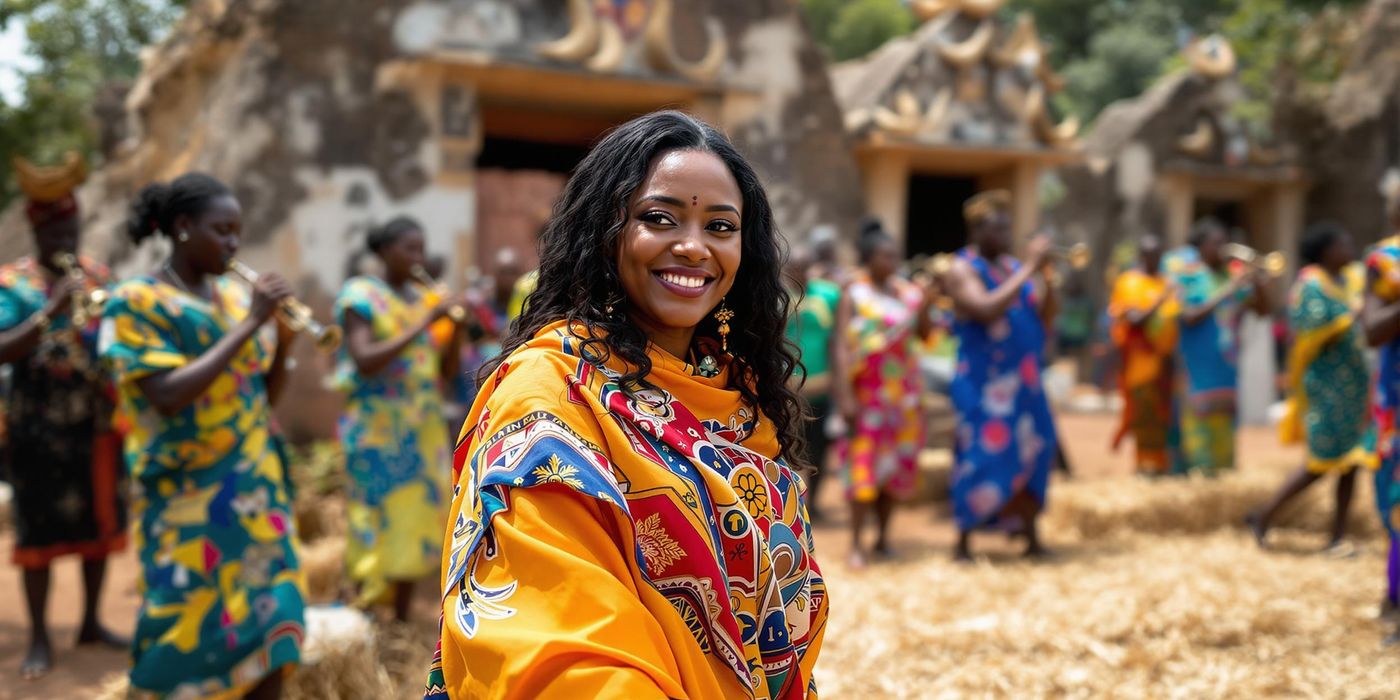
Attending local events and festivals is an incredible way to experience the culture firsthand. These events offer a glimpse into the traditions, music, dance, and cuisine of a community. Whether it's a religious celebration, a harvest festival, or a music concert, participating in these events can create unforgettable memories.
Examples of cultural events travelers can participate in include:
- Carnivals and parades
- Religious festivals
- Music and dance performances
- Food festivals
When attending these events, it’s important to be respectful of local customs and traditions. Dress appropriately, be mindful of your behavior, and ask permission before taking photos of people. Show genuine interest in the event and participate in the activities. Remember, you're a guest, so act accordingly.
One of my most memorable experiences was attending the Famadihana festival in Madagascar, also known as the turning of the bones. It's a unique tradition where families exhume the remains of their ancestors, rewrap them in fresh cloth, and dance with them. It was an incredibly moving experience, and I felt honored to witness such a deeply personal and spiritual event. I learned so much about Malagasy culture and the importance of family and ancestor worship.
To find local events, check tourism websites, community bulletin boards, and social media groups. Ask locals for recommendations; they’ll often know about smaller, less publicized events that are worth attending.
Supporting Local Artisans and Businesses
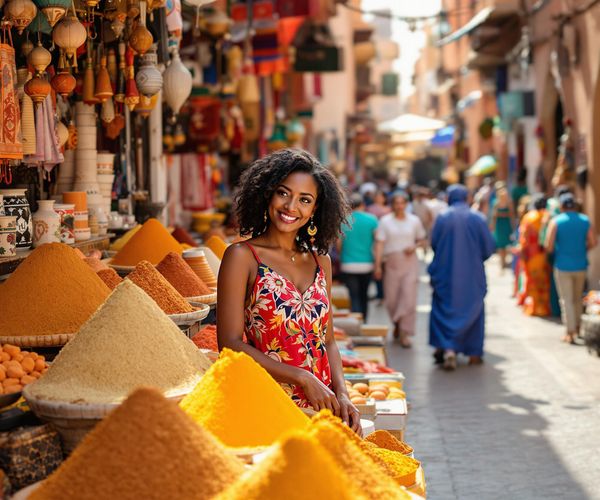
Supporting local artisans and businesses is a fantastic way to contribute to the local economy and learn about traditional crafts. When you buy from local artisans, you're not just purchasing a product; you're supporting their livelihoods and helping preserve their cultural heritage. It also ensures that your money stays within the community, benefiting the people who live there.
Here are some tips on how to identify and support authentic local businesses:
- Shop at local markets and craft fairs.
- Look for businesses that are owned and operated by locals.
- Ask about the origin of the products and materials.
- Be wary of mass-produced souvenirs that are not made locally.
I remember visiting a small village in the highlands of Madagascar where the women were skilled weavers. I bought a beautiful handwoven scarf from one of the artisans, and she explained to me the intricate process of making it, from harvesting the cotton to dyeing the threads with natural pigments. It was fascinating to learn about her craft, and I felt good knowing that my purchase was directly supporting her and her family.
Supporting local economies has a significant impact. It creates jobs, stimulates economic growth, and helps preserve traditional skills and crafts. It also promotes sustainable tourism by encouraging travelers to spend their money responsibly.
When shopping, look for ethically sourced and sustainable products. Choose items made from natural materials and avoid products that exploit workers or harm the environment. Support businesses that are committed to fair trade practices.
Engaging in Meaningful Conversations
Engaging in conversations with locals is a powerful way to learn about their culture, perspectives, and experiences. It allows you to connect on a personal level and build relationships that transcend cultural differences. These conversations can be as simple as asking for directions or as profound as discussing life philosophies.
Here are some tips on how to start and maintain respectful conversations:
- Be approachable and friendly.
- Start with a simple greeting or question.
- Show genuine interest in what they have to say.
- Listen actively and ask thoughtful questions.
- Be respectful of their opinions and beliefs, even if they differ from your own.
I once had a conversation with an elderly woman in a remote village in Vietnam. She shared her life story with me, talking about her experiences during the war and her hopes for the future. It was an incredibly moving conversation, and I learned so much about Vietnamese history and culture. It reminded me of the importance of listening to the stories of others and appreciating their resilience and strength.
Active listening is crucial in these conversations. Pay attention to what the other person is saying, both verbally and nonverbally. Ask clarifying questions and show that you're engaged in the conversation. Avoid interrupting or judging their opinions. Thoughtful questions can also help deepen the conversation. Ask about their family, their work, their hobbies, and their dreams. Show that you're genuinely interested in getting to know them.
Language barriers can be challenging, but don't let them discourage you. Use gestures, facial expressions, and translation apps to communicate. Be patient and persistent, and remember that even a broken conversation can be meaningful.
Respecting Local Customs and Traditions
Respecting local customs and traditions is paramount when traveling. It shows that you value the culture and are willing to adapt to their way of life. Before you travel, take the time to research the local customs and traditions of your destination. Learn about their dress codes, greetings, dining etiquette, and social norms. Be aware of any taboos or sensitive topics that you should avoid.
Here are some examples of cultural differences travelers should be aware of:
- Dress codes: In some cultures, it's important to dress modestly, especially when visiting religious sites.
- Greetings: Some cultures have specific greetings, such as bowing or shaking hands in a certain way.
- Dining etiquette: In some cultures, it's considered rude to eat with your left hand or to leave food on your plate.
I once visited a temple in Thailand and was unaware that I needed to remove my shoes before entering. A local gently reminded me, and I was grateful for their kindness and understanding. It taught me the importance of being mindful of local customs and being willing to learn from my mistakes.
Researching local customs before traveling is essential. Read travel guides, watch documentaries, and talk to people who have visited the destination. Be open to learning and adapting to new customs. If you're unsure about something, don't be afraid to ask a local for clarification.
To avoid cultural faux pas, be mindful of your behavior and actions. Avoid making assumptions or stereotypes about the culture. Be respectful of their beliefs and values, even if they differ from your own. Show genuine interest in learning about their culture and traditions. By showing respect, you'll create positive interactions and build meaningful connections with the local community.
Learn how to connect with local communities during your travels. Discover the art of cultural immersion and create unforgettable memories.