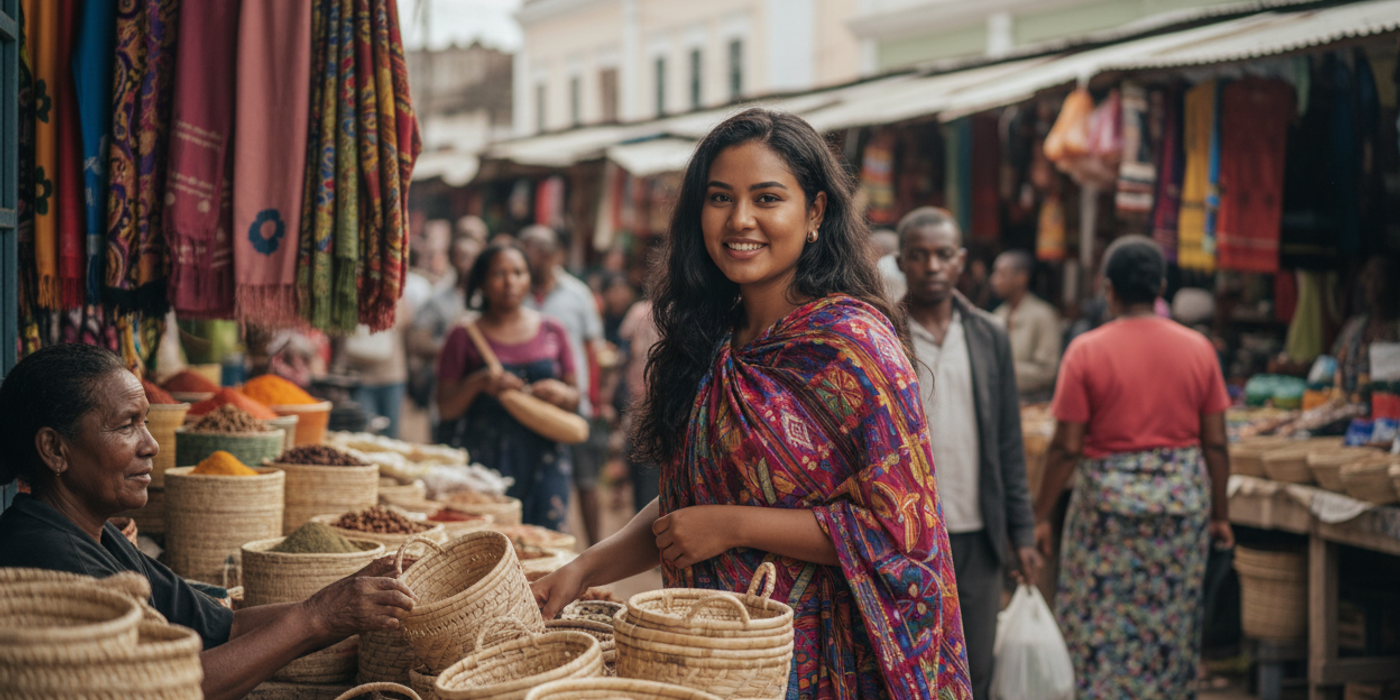
As a translator and travel blogger, I've always believed that language is more than just a tool for communication; it's a gateway to understanding cultures, connecting with people, and truly immersing yourself in the world around you. My journey has taken me from the bustling markets of Madagascar to the serene landscapes of Canada, and everywhere I’ve gone, my attempts to learn the local language have enriched my experiences tenfold. Let's dive into how you too can master the art of linguistic immersion during your travels.
Why Linguistic Immersion?
Why bother learning a new language when you can just rely on English or translation apps? Well, for me, it's about forging genuine connections. Imagine trying to bargain for souvenirs in a local market using only gestures versus exchanging a few phrases in the local tongue. The latter often unlocks smiles, better prices, and even invites for tea. Language proficiency is the key to unlocking authentic travel experiences and fostering a deeper understanding of different cultures.
In Madagascar, speaking even a little Malagasy opened doors to heartfelt conversations with elders who shared stories of their ancestors. In Japan, attempting to order sushi in Japanese, even with a clumsy accent, was always met with encouraging smiles and extra wasabi. These moments, big and small, build a tapestry of unforgettable memories.
Pre-Trip Language Prep: Laying the Foundation
Before you even pack your bags, dedicate some time to language learning. Fortunately, we live in an age where language learning apps like Duolingo, Memrise, and Babbel are readily available. These apps are fantastic for building a basic vocabulary and understanding fundamental grammar.
Focus on learning essential phrases like greetings, numbers, and basic questions. Knowing how to say hello, thank you, and where is the bathroom can make a world of difference. Create a language learning plan that aligns with your travel duration and destination. Even a few hours a week can significantly enhance your ability to communicate.
Language Learning on the Go: Practical Tips
Don't let travel time go to waste! Utilize those long flights and train rides for language study. Download language learning podcasts or create flashcards with essential vocabulary. Upon arrival, consider enrolling in local language classes or workshops. These classes offer structured learning and opportunities to practice with native speakers.
Another great way to improve is by seeking out language exchange partners or conversation groups. Many cities have meetups where you can connect with locals interested in practicing your native language while you practice theirs. These interactions provide invaluable real-world practice and cultural insights.
Embracing Mistakes: The Key to Fluency
One of the biggest hurdles in language learning is the fear of making mistakes. Let me tell you, mistakes are inevitable, and they are absolutely okay! In fact, they are essential for growth. Don't let language anxiety hold you back from speaking.
View each mistake as a learning opportunity. When someone corrects you, embrace the feedback and try to remember it for next time. The more you practice, the more confident you'll become. Remember, people generally appreciate the effort you make to speak their language, even if it's not perfect.
Everyday Interactions: Turning Encounters into Language Lessons
Turn everyday situations into language learning opportunities. Ordering food at a restaurant, asking for directions, or even making small talk with a shopkeeper can be valuable practice. Engage in conversations with locals whenever possible. Ask them about their lives, their culture, and their favorite places in the area.
Learning slang and colloquial expressions can also deepen your cultural immersion. These phrases often provide insights into the local sense of humor and way of life. Don't be afraid to ask locals to explain these expressions to you; they'll likely be delighted to share.
Cultural Nuances: Beyond the Words
Communication is about more than just words; it's also about understanding cultural norms and etiquette. Be mindful of cultural differences in communication styles. For example, in some cultures, direct eye contact is considered respectful, while in others, it may be seen as confrontational.
Pay attention to nonverbal cues and body language. Observe how locals interact with each other and adjust your behavior accordingly. Understanding these nuances can help you avoid misunderstandings and build stronger relationships with the people you meet.
Tech to the Rescue: Language Tools for Travelers
While I advocate for genuine human interaction, technology can be a helpful tool for language learning and communication. Translation apps like Google Translate and iTranslate can provide quick assistance when you're struggling to find the right words. However, use these apps as a supplement, not a replacement, for human interaction.
Explore the use of speech-to-text and text-to-speech technology for language practice. These tools can help you improve your pronunciation and listening comprehension. Also, remember to download language learning apps with offline capabilities for those times when you have limited internet access.
Documenting Your Linguistic Journey
Keep a language learning journal to track your progress and reflect on your experiences. Write down new words and phrases you learn, as well as any interesting cultural insights you gain. Use social media to connect with other language learners and share tips and resources.
Documenting language-related anecdotes and insights can be a fun and rewarding way to remember your travels. These stories will not only serve as a reminder of your adventures but also inspire others to embark on their own linguistic journeys.
Unlock authentic travel experiences by learning local languages. Discover practical tips for linguistic immersion, from pre-trip prep to everyday interactions.