As a translator and travel blogger, I've always been fascinated by the tapestry of languages that colors our world. However, I know firsthand that language barriers can sometimes feel like insurmountable walls when you're exploring a new place. But don't fret! With a little preparation and the right mindset, you can transform these potential obstacles into opportunities for connection and cultural enrichment. Join me as I share my tried-and-true tips for navigating the linguistic landscape with confidence and grace.
Embracing the Linguistic Landscape
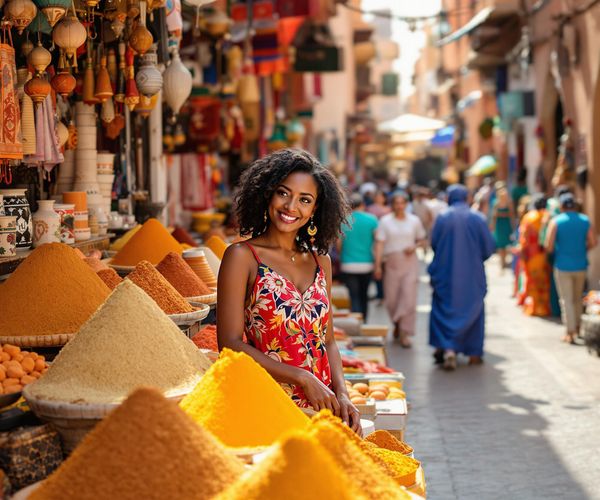
There's something truly magical about stepping into a place where the language dances on your ears in unfamiliar melodies. It's a reminder of the vastness and diversity of our world. I remember once being completely lost in the medina of Marrakech, surrounded by a flurry of Arabic I couldn't understand. Initially, I felt overwhelmed, but then I decided to embrace the unknown. I started observing the interactions around me, the gestures, the expressions. I even managed to communicate with a local shopkeeper using a combination of broken French, hand gestures, and a lot of smiles. We shared a cup of mint tea, and despite the language barrier, I felt a genuine connection. It was a beautiful reminder that communication goes far beyond words.
Approaching language differences with a positive and open mindset is half the battle. See it not as a hindrance, but as an invitation to learn, to connect, and to experience the world in a new way.
Essential Phrases: Your Linguistic Toolkit
Before embarking on any trip, I always make it a point to learn a few basic phrases in the local language. It doesn't have to be extensive, but knowing how to say hello, thank you, please, and excuse me can make a world of difference. It shows respect for the local culture and opens doors to more meaningful interactions.
Here are some key phrases that I find particularly useful:
- Greetings: Hello (Bonjour/Hola/Konnichiwa), Good morning (Bonjour/Buenos días/Ohayō gozaimasu), Good evening (Bonsoir/Buenas tardes/Konbanwa)
- Essentials: Thank you (Merci/Gracias/Arigatō), Please (S'il vous plaît/Por favor/Onegai shimasu), Excuse me (Excusez-moi/Con permiso/Sumimasen)
- Getting Around: Where is...? (Où est... ?/¿Dónde está... ?/… wa doko desu ka?), How much does it cost? (Combien coûte... ?/¿Cuánto cuesta... ?/… wa ikura desu ka?)
- Food & Drink: Water (Eau/Agua/Mizu), Food (Nourriture/Comida/Tabemono), Delicious (Délicieux/Delicioso/Oishii)
Even a small effort to speak the local language is almost always appreciated. People are often more willing to help and engage with you when they see you're trying to connect with them on their terms.
Translation Apps: Digital Saviors
In today's digital age, translation apps are indispensable tools for any traveler. They can help you decipher menus, understand signs, and even have basic conversations. My go-to app is Google Translate, which offers a wide range of features, including text, voice, and image translation. iTranslate is another excellent option, particularly known for its accuracy and user-friendly interface.
Here are a few tips for using translation apps effectively:
- Download the language pack for offline use: This is crucial, especially if you're traveling to a place with limited internet access.
- Speak clearly and slowly when using voice translation: This will help the app accurately transcribe and translate your words.
- Use image translation to decipher menus and signs: Simply point your camera at the text, and the app will translate it in real-time.
- Be mindful of the app's limitations: While translation apps are incredibly useful, they're not always perfect. Double-check the translation, especially for important information.
The Power of Non-Verbal Communication
Communication isn't just about words; it's also about body language, gestures, and facial expressions. In fact, a significant portion of our communication is non-verbal. Mastering the art of non-verbal communication can help you bridge language gaps and connect with people on a deeper level.
Here are a few universally understood gestures:
- Smiling: A smile is a universal sign of friendliness and goodwill.
- Nodding: Nodding your head generally indicates agreement or understanding.
- Pointing: Pointing can be used to indicate a direction or an object.
However, it's important to be aware of potential cultural differences. For example, in some cultures, direct eye contact is considered disrespectful, while in others, it's a sign of attentiveness. Researching local customs and etiquette can help you avoid misunderstandings.
Seeking Local Assistance and Immersion
Don't be afraid to ask for help! Most people are happy to assist travelers, even if there's a language barrier. Bilingual locals, hotel staff, and tourist information centers are excellent resources. Engaging with locals and participating in cultural activities is a fantastic way to immerse yourself in the local culture and learn the language. Consider finding language exchange partners or taking informal language lessons. The more you interact with native speakers, the faster you'll improve your language skills.
I once took a cooking class in Florence, Italy, where the instructor spoke very little English. Despite the language barrier, I learned so much about Italian cuisine and culture simply by observing her techniques and asking questions. It was a truly immersive and enriching experience.
Leveraging Visual Aids and Technology
Sometimes, the best way to communicate is through visual aids. Maps, pictures, and diagrams can be incredibly helpful for explaining your needs and understanding directions. I always carry a small notebook and pen with me so I can draw pictures or write down key words. Offline dictionaries and language learning apps are also valuable resources.
When I was traveling in rural Vietnam, I used a combination of hand gestures, drawings, and a Vietnamese phrasebook to communicate with local farmers. We couldn't speak each other's language, but we were able to share stories and laughter. It was a testament to the power of visual communication.
Patience, Respect, and a Sense of Humor
Finally, remember to be patient, respectful, and to maintain a sense of humor. Language barriers can be frustrating, but it's important to approach them with understanding and empathy. Be respectful of local customs and communication styles. And don't be afraid to laugh at yourself when you make mistakes. A positive attitude and a willingness to learn can go a long way in overcoming communication obstacles.
I once accidentally ordered a plate of snails in Paris because I mispronounced the word for mushrooms. It was a hilarious and slightly mortifying experience, but it taught me the importance of clear pronunciation and a good sense of humor. Embrace the challenges, learn from your mistakes, and remember that travel is all about the journey, not just the destination.
Overcome language barriers with ease using these practical tips for multilingual travelers.